5 Days in Sicily

1. Cefalu.

The gloriously hot Sicilian air blows in through the car windows as we drive along the highway, indulging in sun while the cold, rainy spring continues its sour mood in Madrid. On the road towards Syracuse from Palermo, an ancient village called Cefalu winks in the distance, where pastel-colored flat-roofed houses hang right over the beaches. We delve into the town to explore. Tiny streets branch off into crumbling alleyways where lines of laundry spend their slow mornings, where shop owners wait for passersby to buy gelato or water ice.
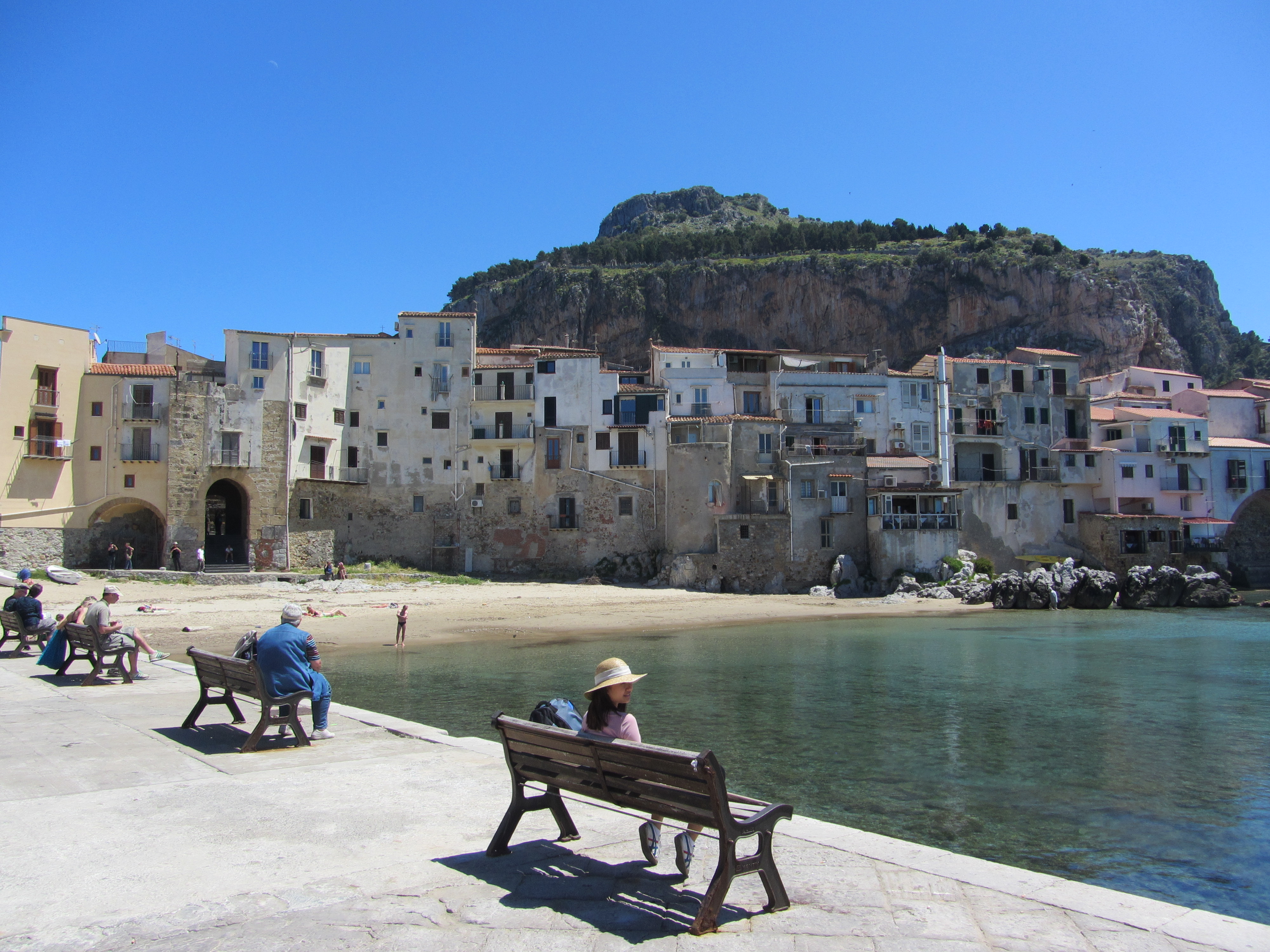
An afternoon dip in icy water jolts the senses, with the joyous lilt of conversation in the restaurants right above the sand. The port to the right and a barricade of rocks to the left form a cove that is almost completely empty, save for us and a group of swimmers who squeeze on their slick bodysuits to brave a swim to the next beach.
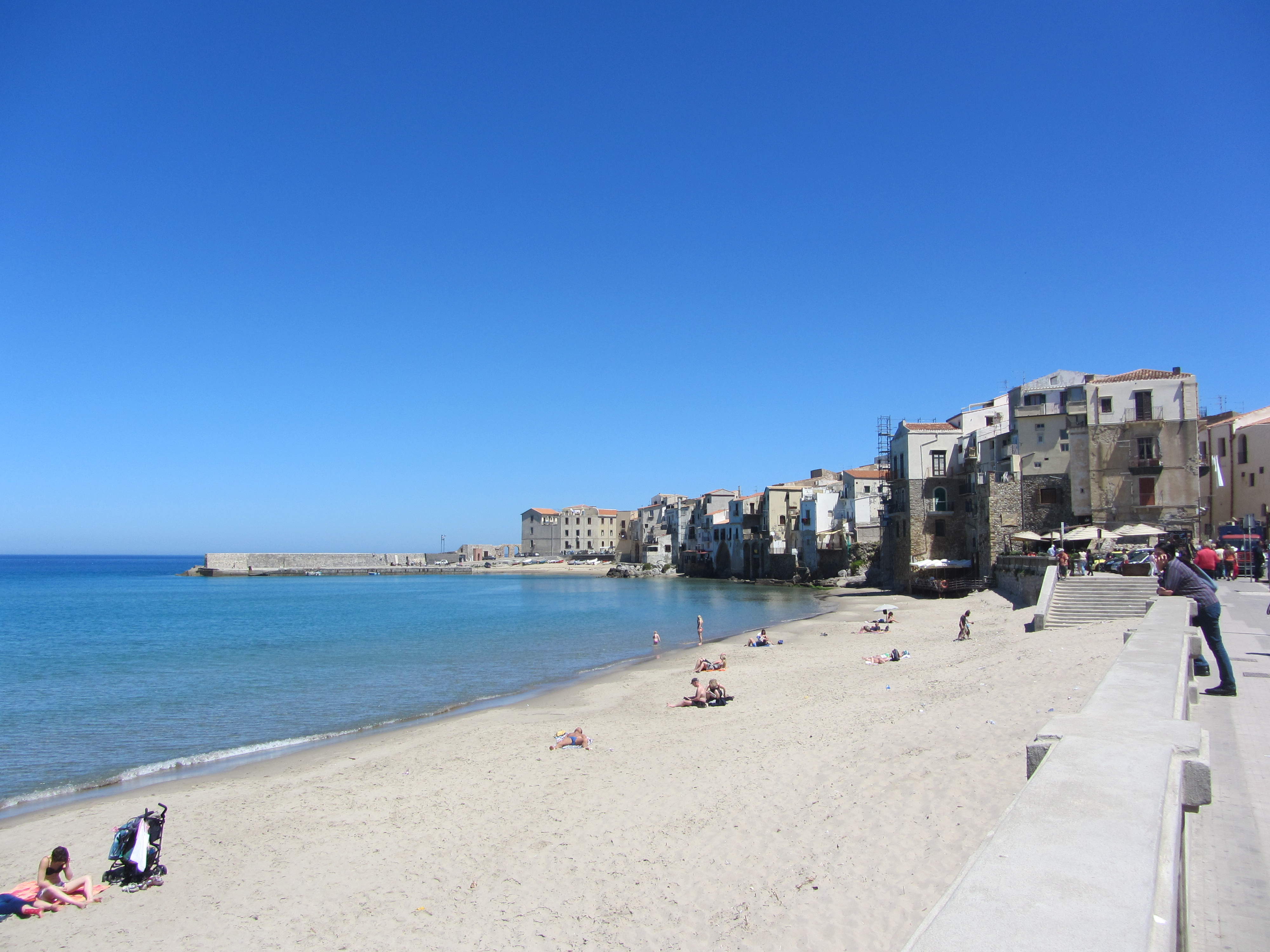
Cefalu is unlike any other fishermen’s village I’ve ever seen, with its rocky promontory, the cathedral on a hill, and the shallow, crystalline waters which seem to slide right up to the centuries-old houses. The smell of the sea, however, is so welcomingly familiar as we walk lazily along the waterfront. Hats, bracelets, and trinkets glimmer on the tables where foreigners try to sell their beach-going goods.
2. Syracuse.

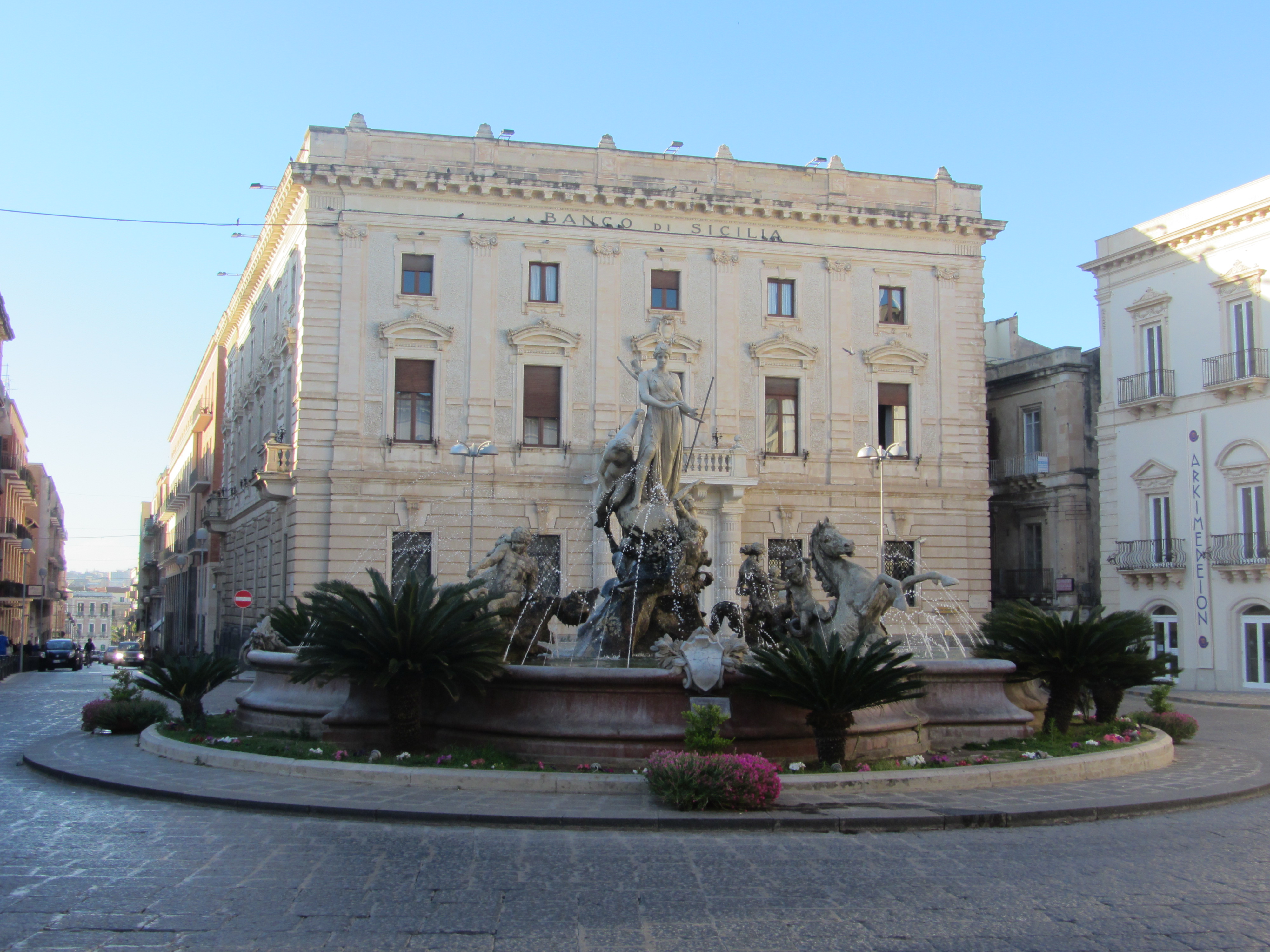
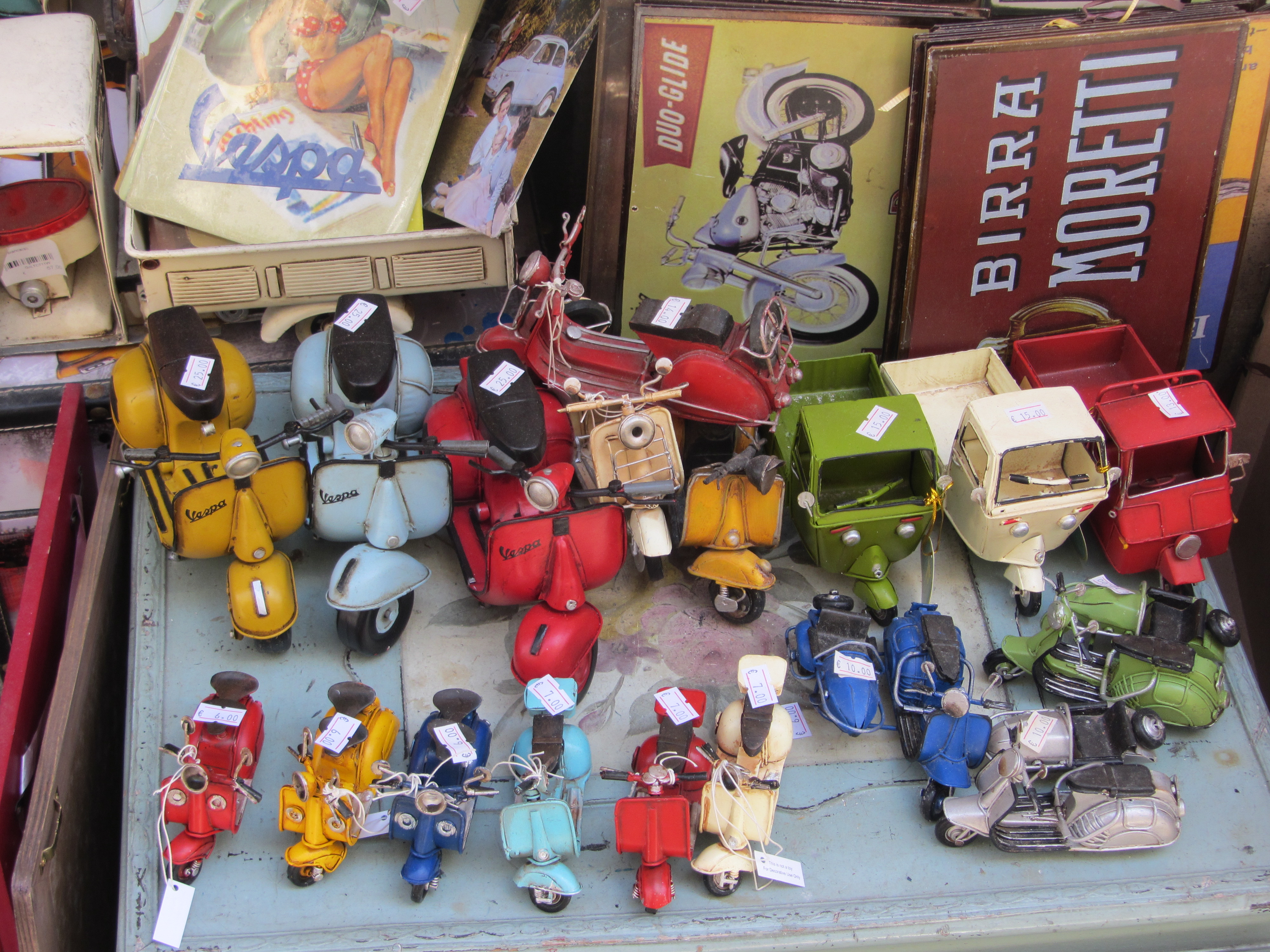
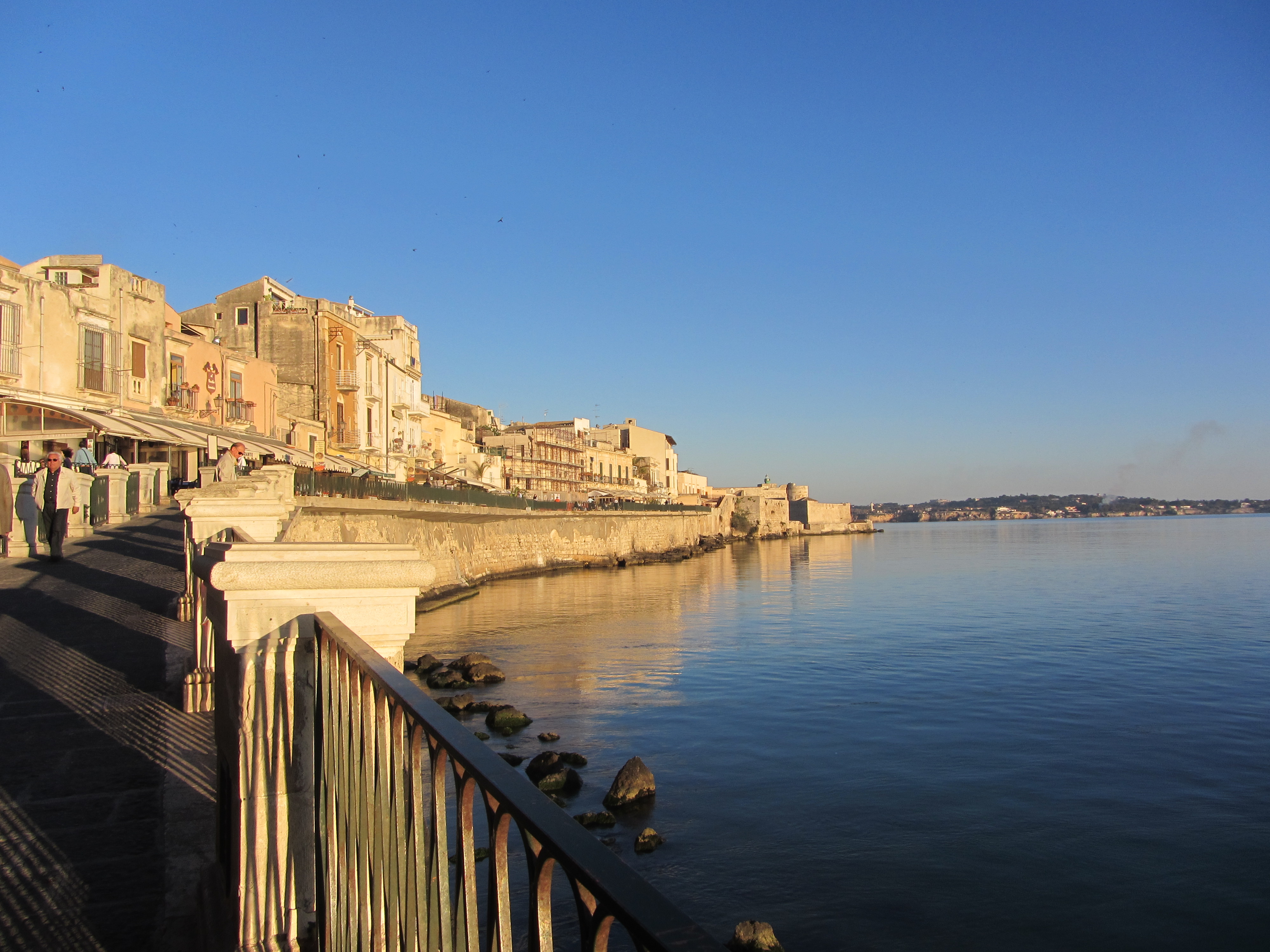
Ancient, dilapidated buildings, Greek temple ruins, zipping Vespas, fishermen selling freshly-caught sea urchins in plastic cups… Syracuse reminds me of Rome, with its slightly chaotic combination of old and modern, and the ever-present aesthetic nature of Italian cities. Stone faces of buffoons peer at us from window ledges, and the slow sunset winds it way from the horizon at the port into the empty alleyways where the buildings lean into each other, looking as if they will topple any minute.

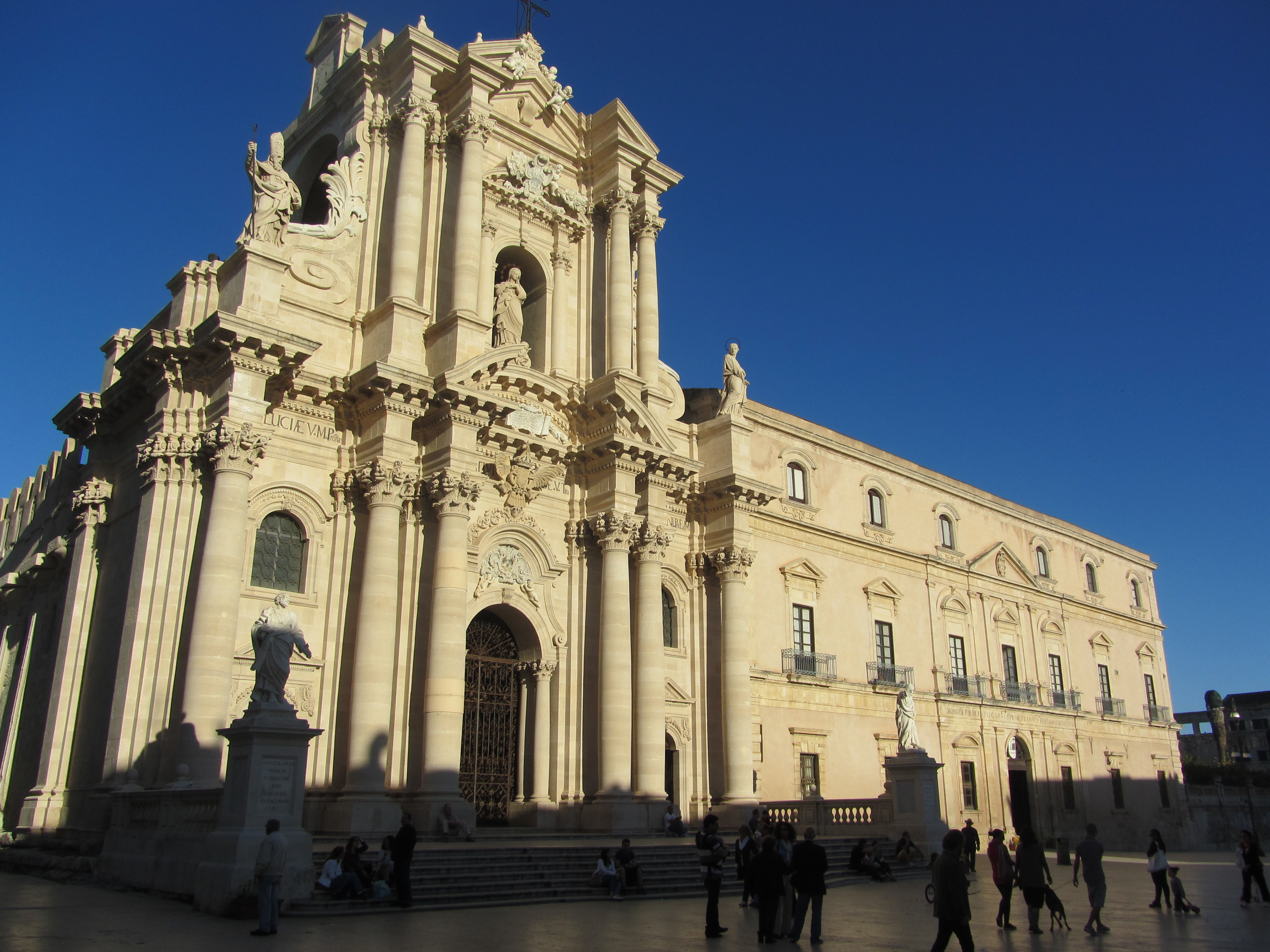
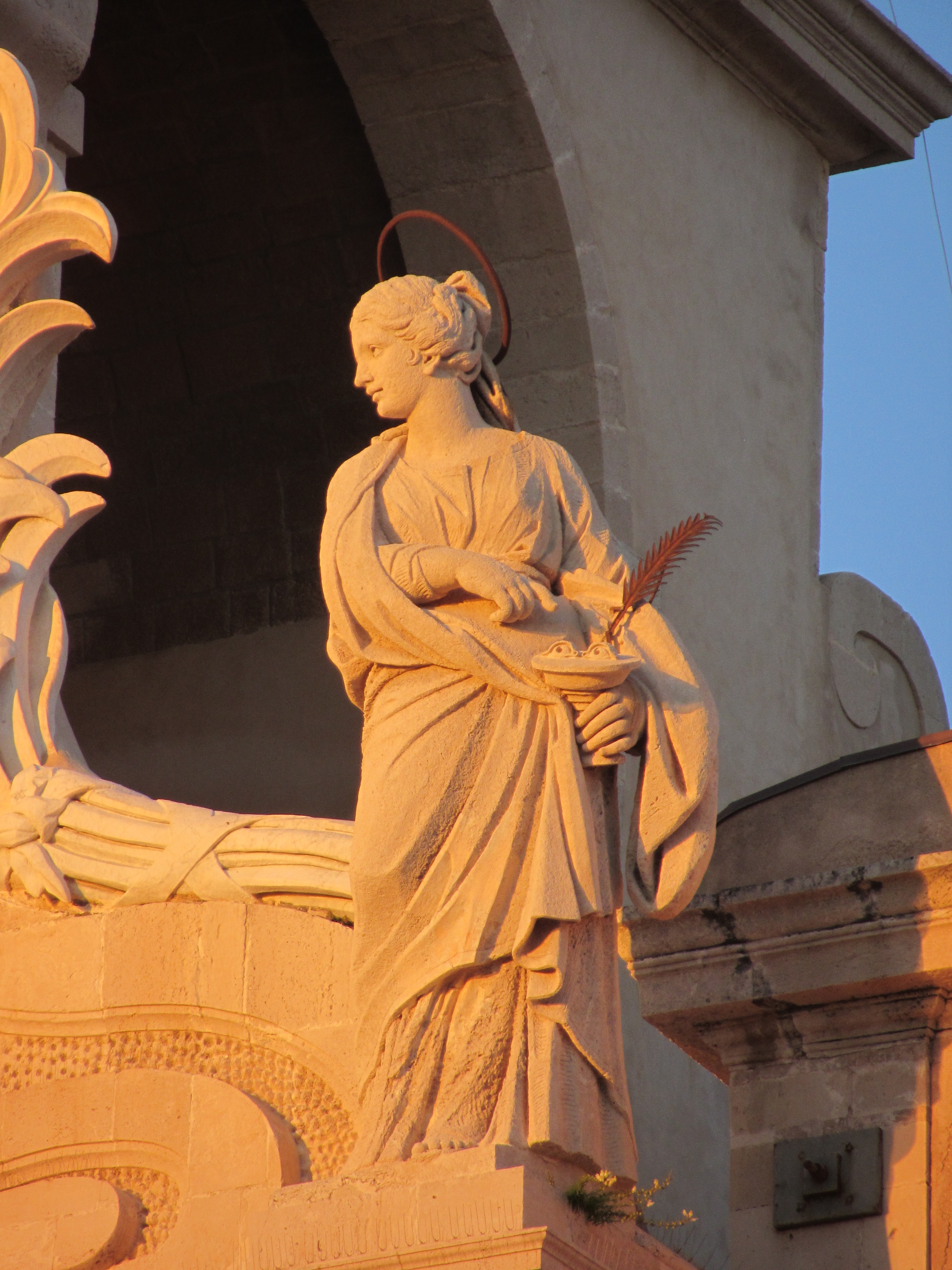
The markets gleam with fresh fish and fruit. On the ortigia, the island, the open plazas and old palaces are guarded by statues. One is reminded of the extensiveness of history, the very beginning of civilization itself. Even the churches house ancient Greek columns which blend into the more recent architecture.
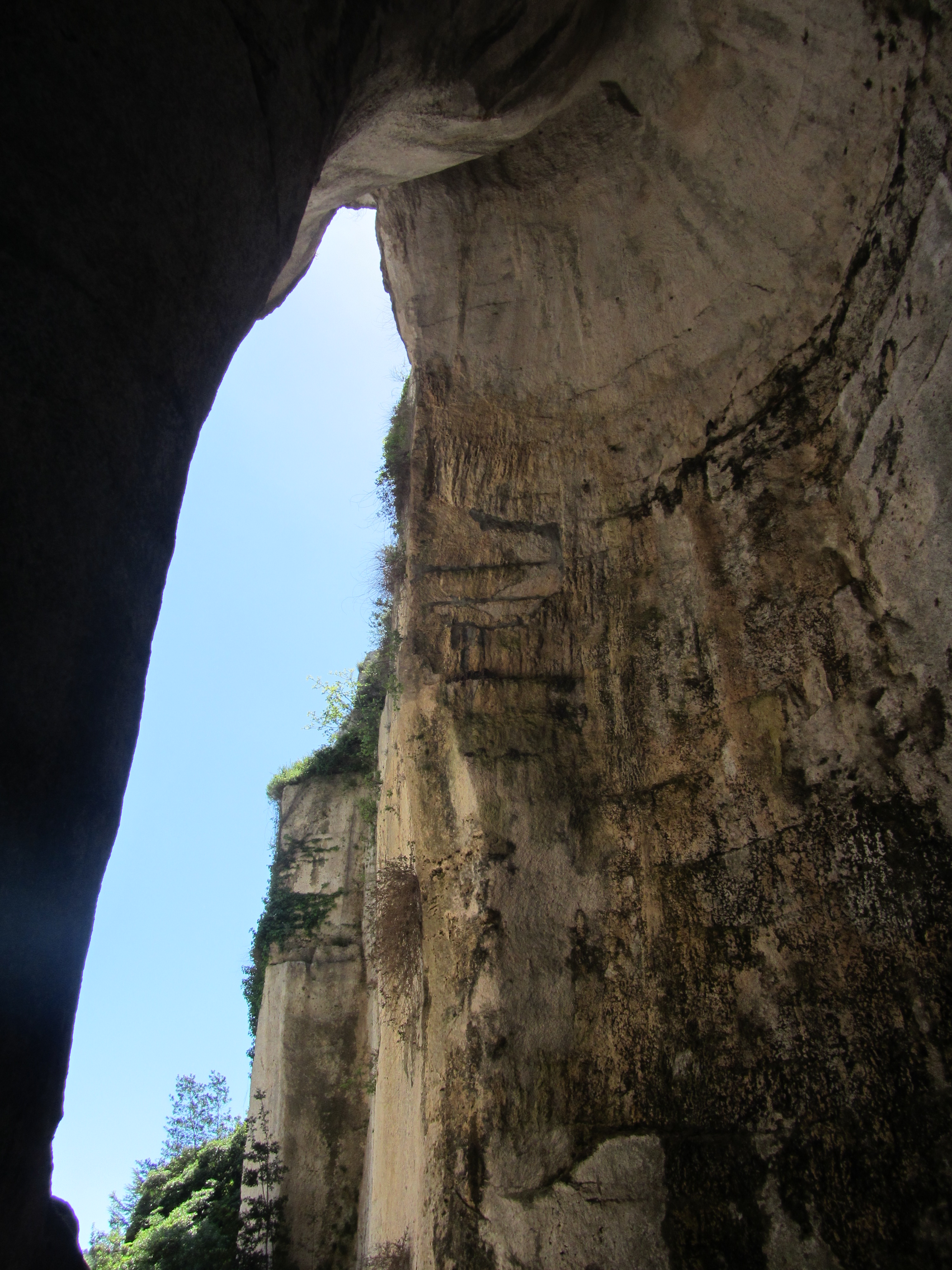
Arching up to over 210 feet, the Ear of Dionysus can’t keep a secret. It was dug in Greek and Roman times for water storage, but legend has it that the tyrant Dionysus I used the cave as a prison for political dissidents, that he eavesdropped on their secret plans, and that the acoustics of the cave amplified screams of prisoners being tortured.
3. Vendicari.
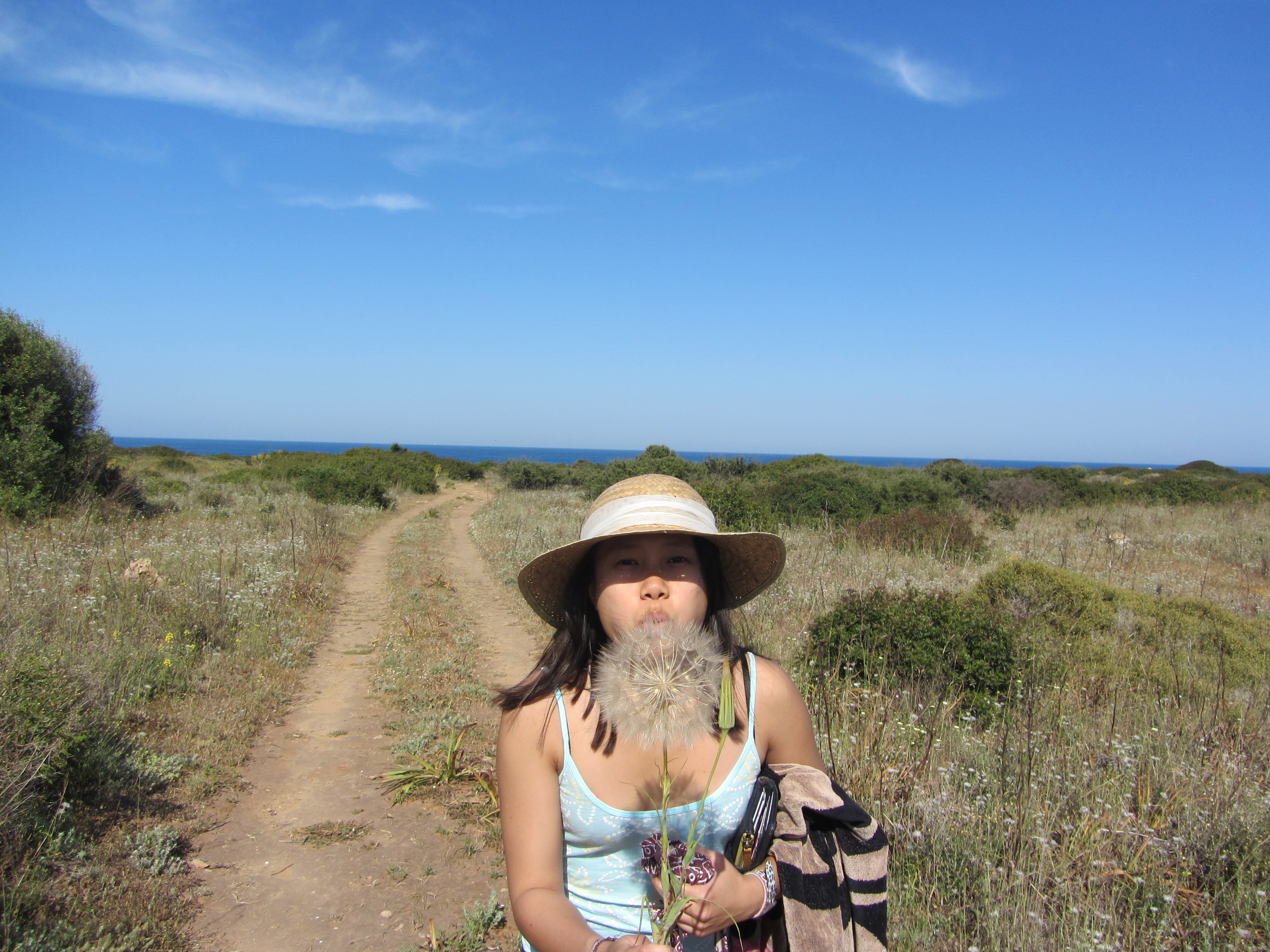
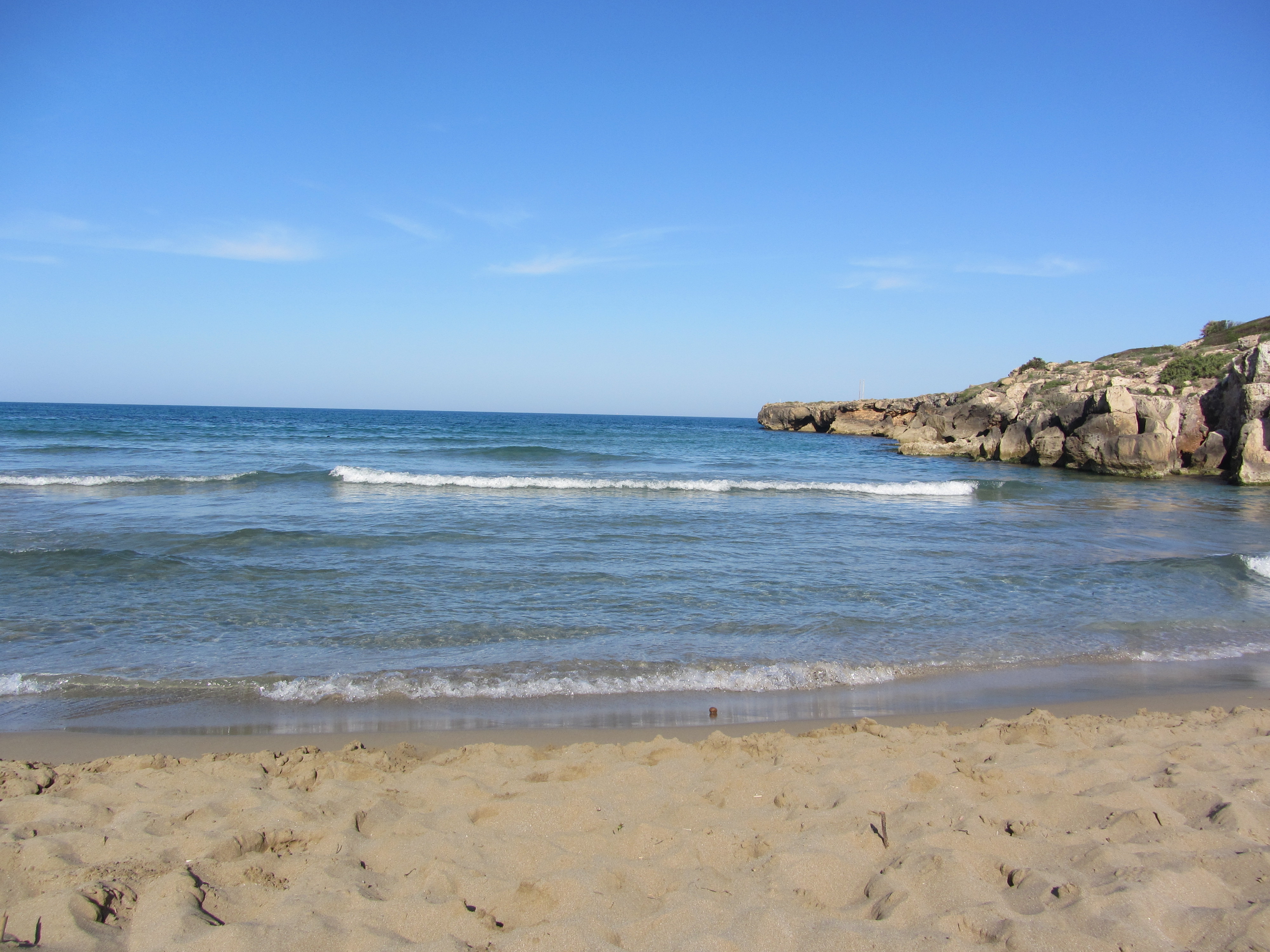
The dirt road leading to the beach stretches through fields of dandelions and yellow grass, a walk which seems long after a day of city trekking. The sun gives off its last rays as I swim back and forth through the cold, shallow water of Cala Mosche, trying to find warm pockets, kicking to fight off the chill. As the few beach-goers begin to leave, we dry off on the sand, and I try to brush up on my few words of Italian.

4. Ragusa.

Dusk on the bridge shows dotted lights of modern buildings which rise up on a hill in a medieval city. The hosts of our bed-and-breakfast are effusively Italian, hospitality over the top, everything in the world is beautiful. “É bello, é BELLO!”

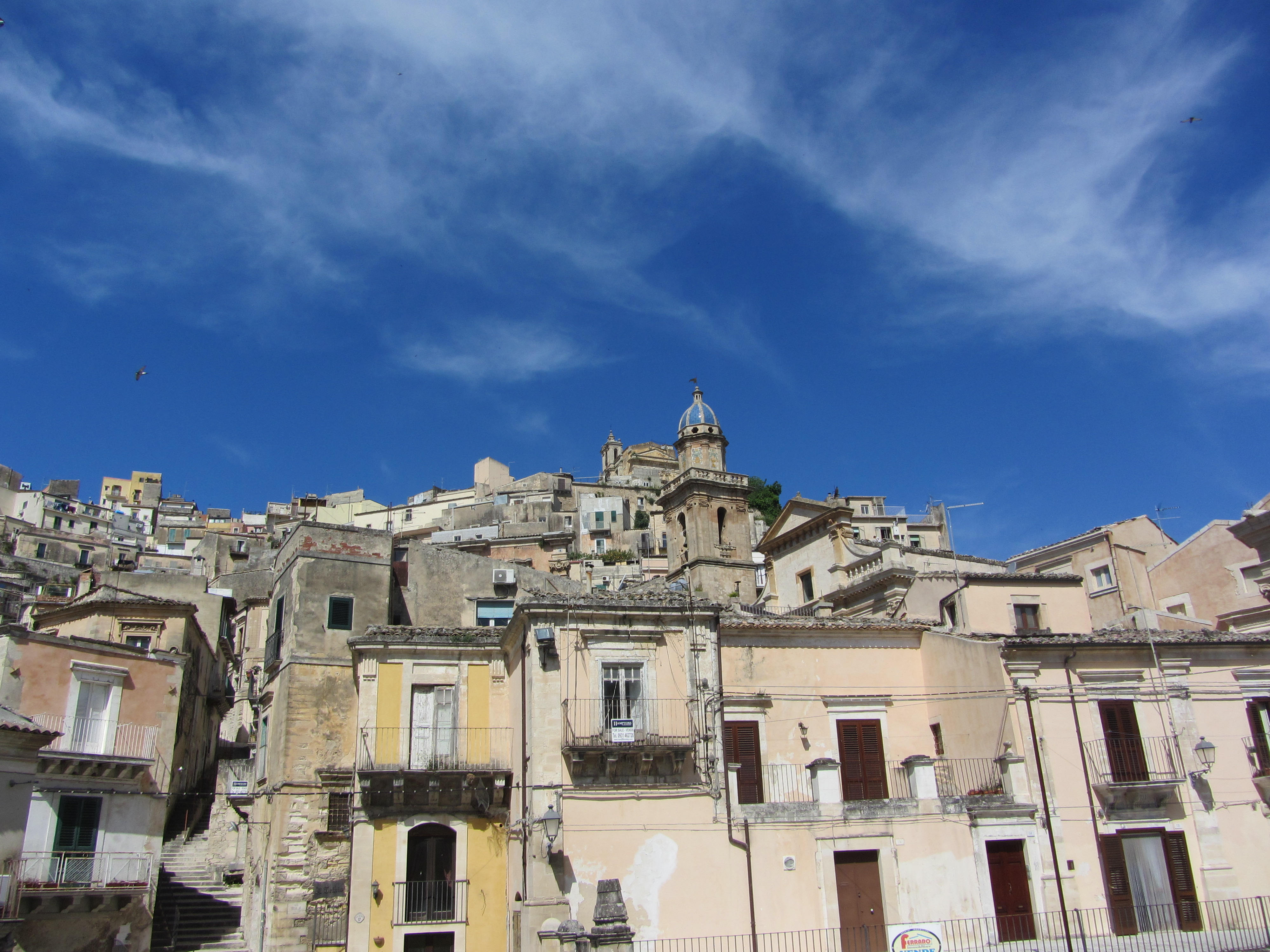
In a tour through the old medieval town, the churches take center place, rising up two, three stories in the middle of white plazas, churches reminiscent of colonial Spain and Portugal. Up and down steps in the midday heat, through palace gardens, relishing views of the houses in Ragusa.
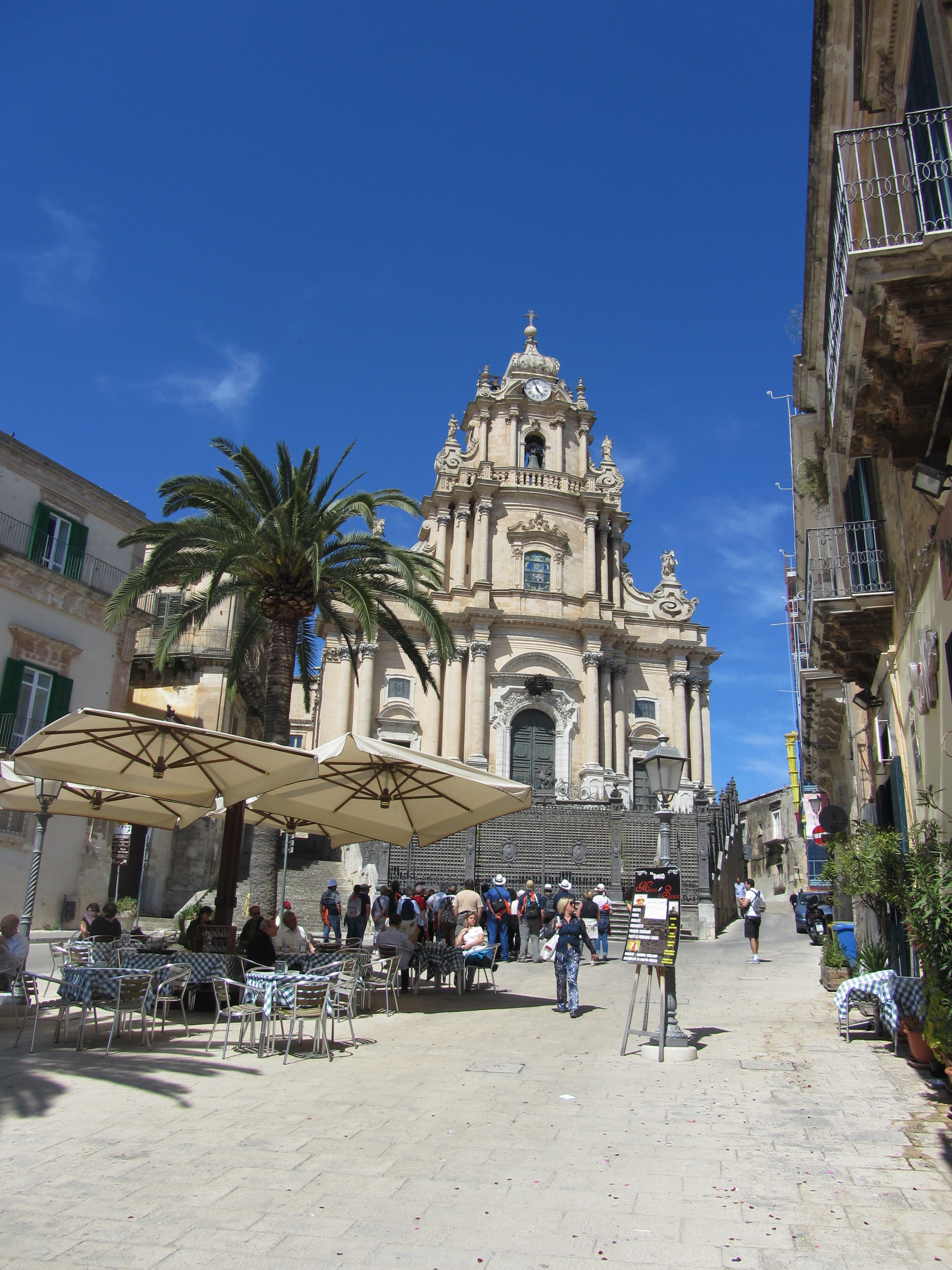
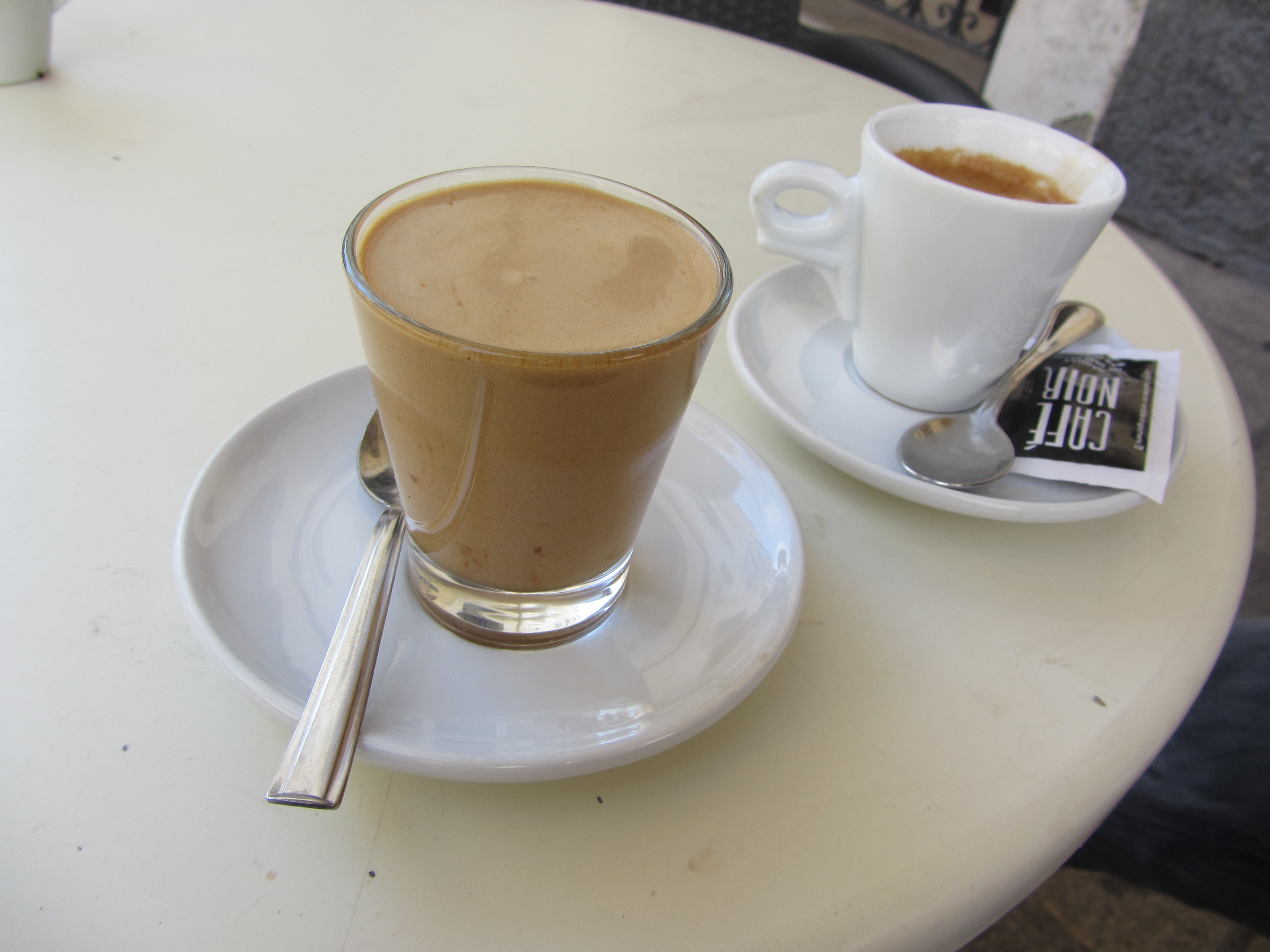
A caffe latte and a crema de caffe, those delicious frappuccino shots, are good for the Italian soul in us.
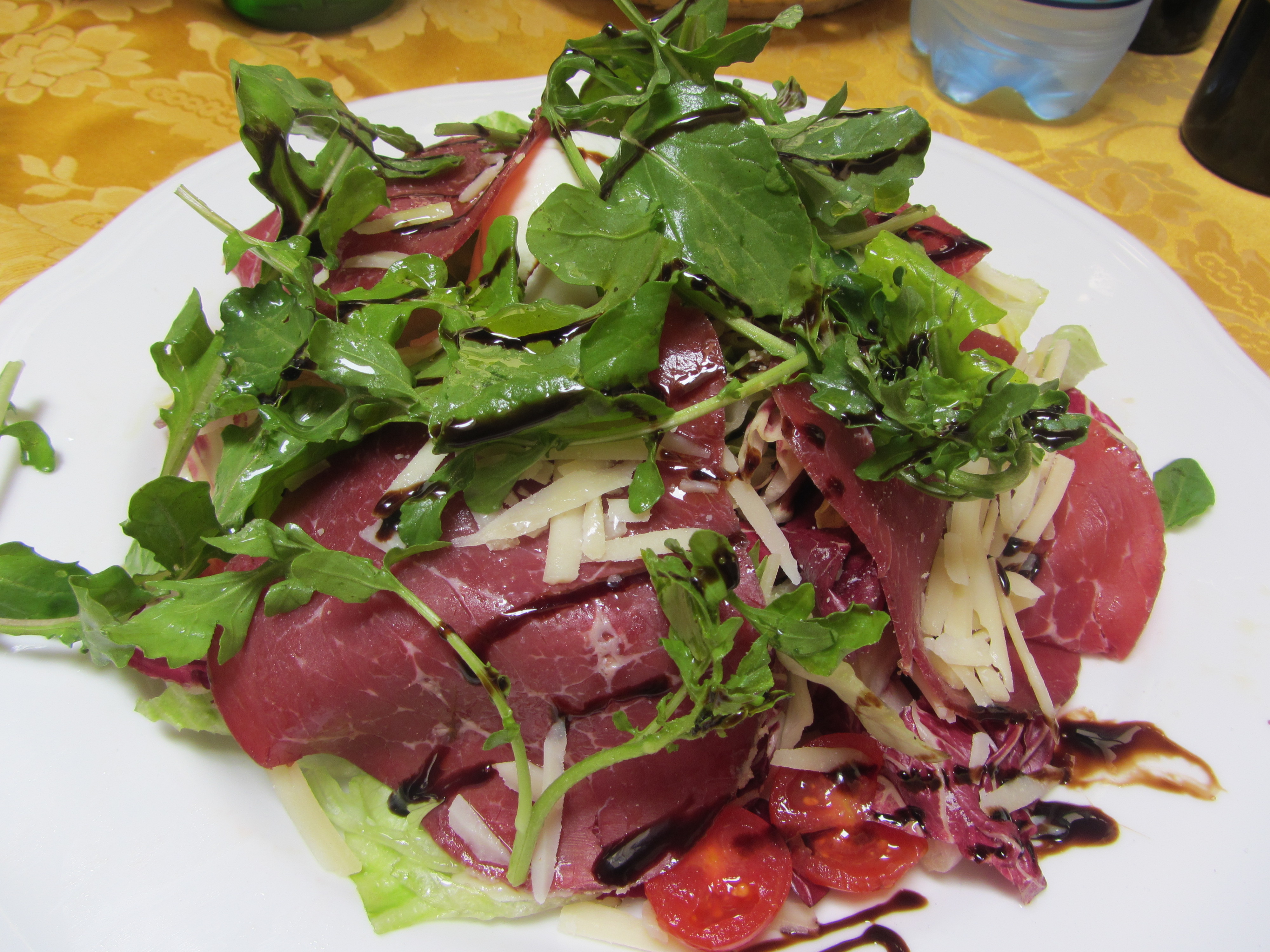
An enormous salad, “como Dios manda,” and pasta bolognesa on our way to the next city.

5. Agrigento.

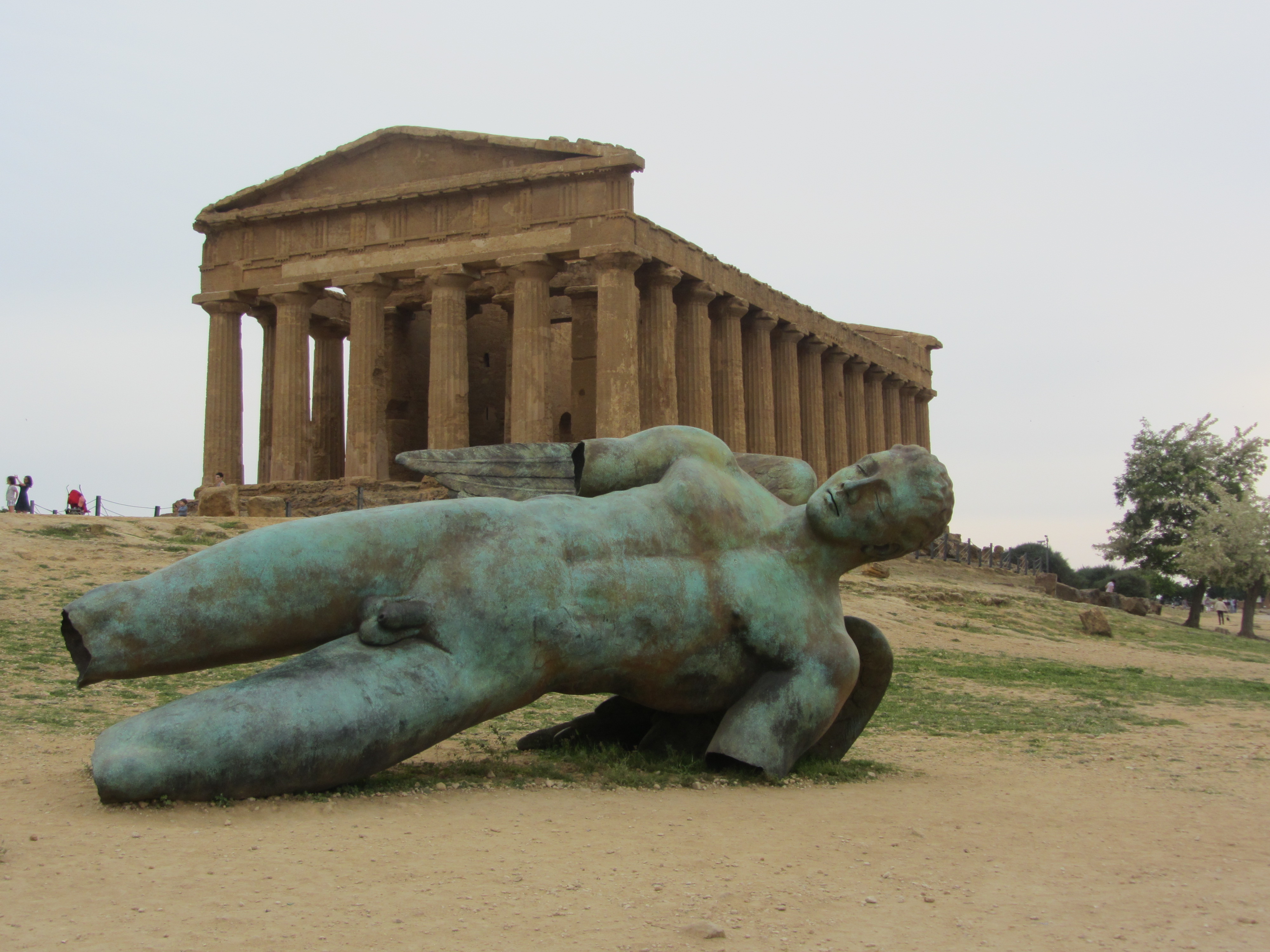
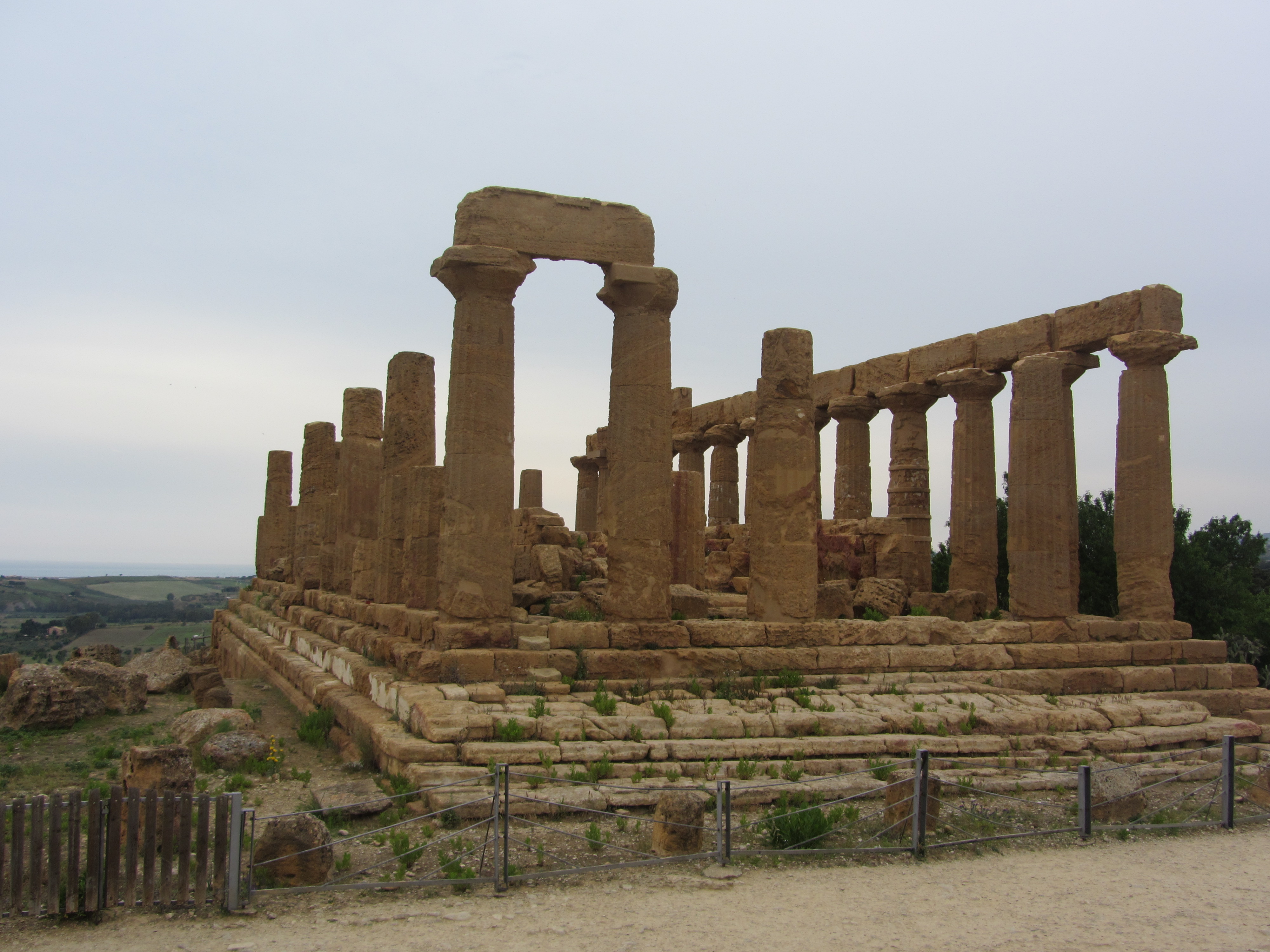
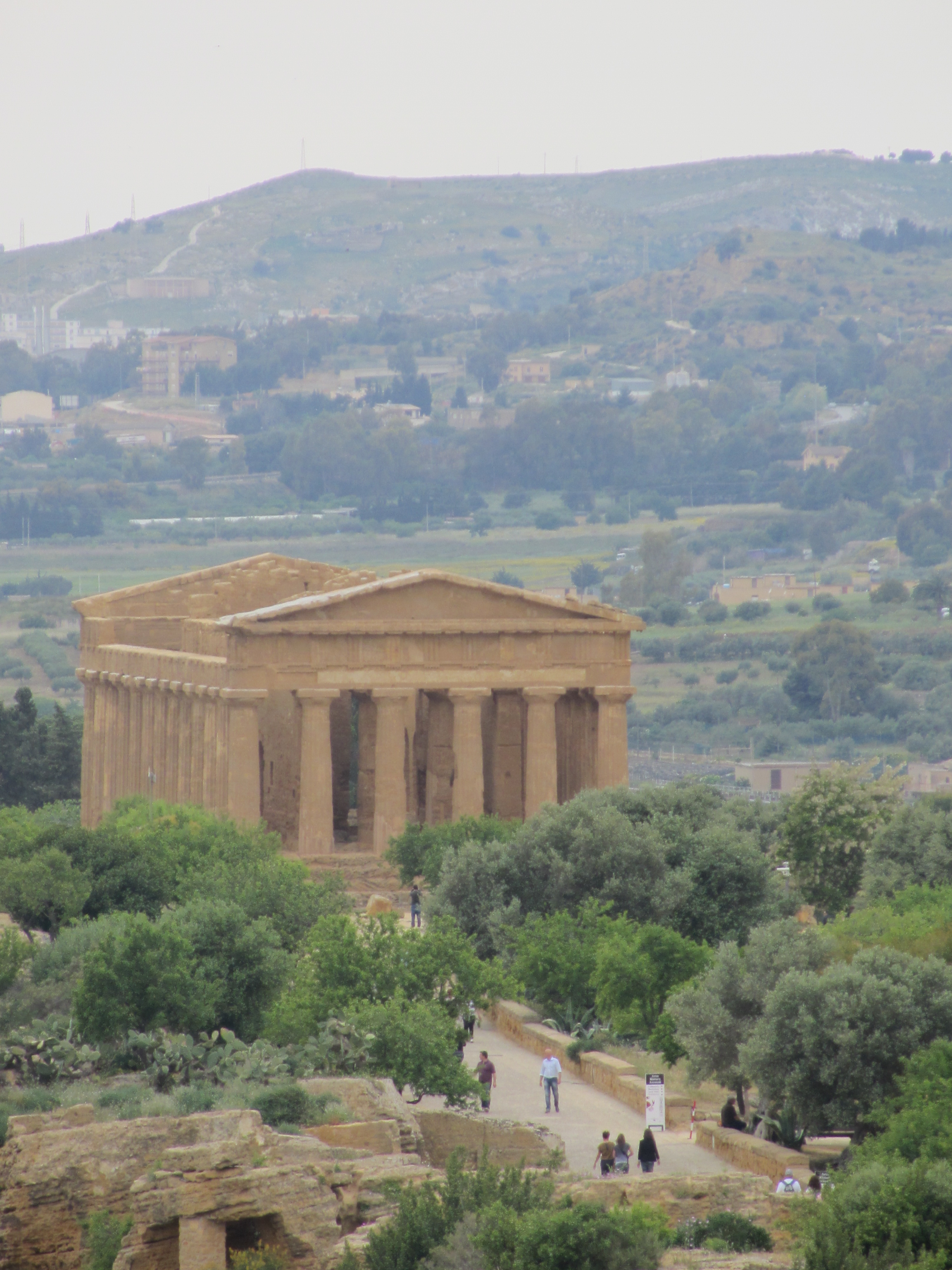
At the Valley of the Temples, Greek structures dating back to 5th century BC stand in glorified ruins with the background of a grey, drizzling sky. The temples’ Doric columns are a fragmented yet lasting testament to the Greek empire.
A bronze angel has fallen.

6. Scala dei Turchi.
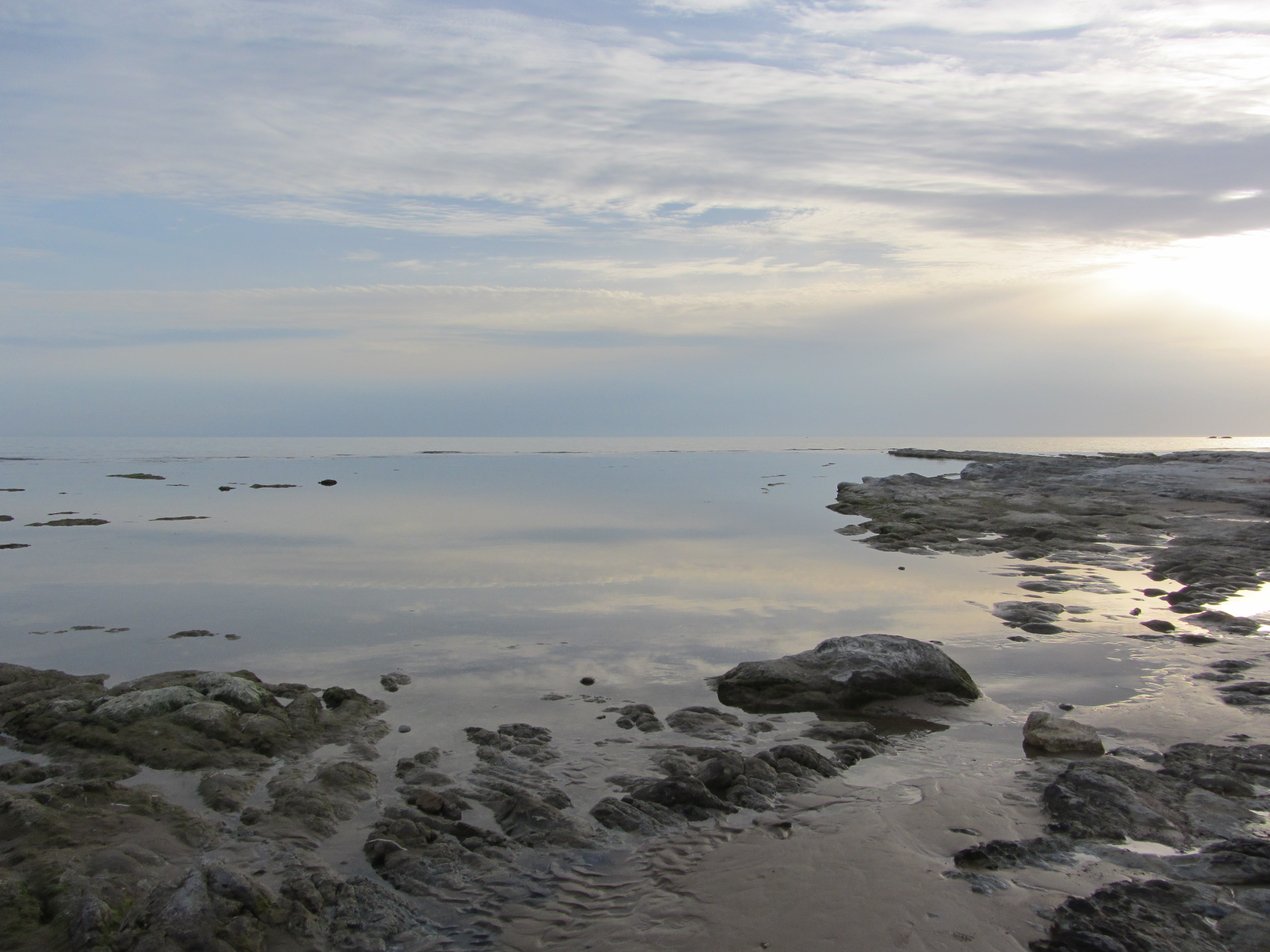
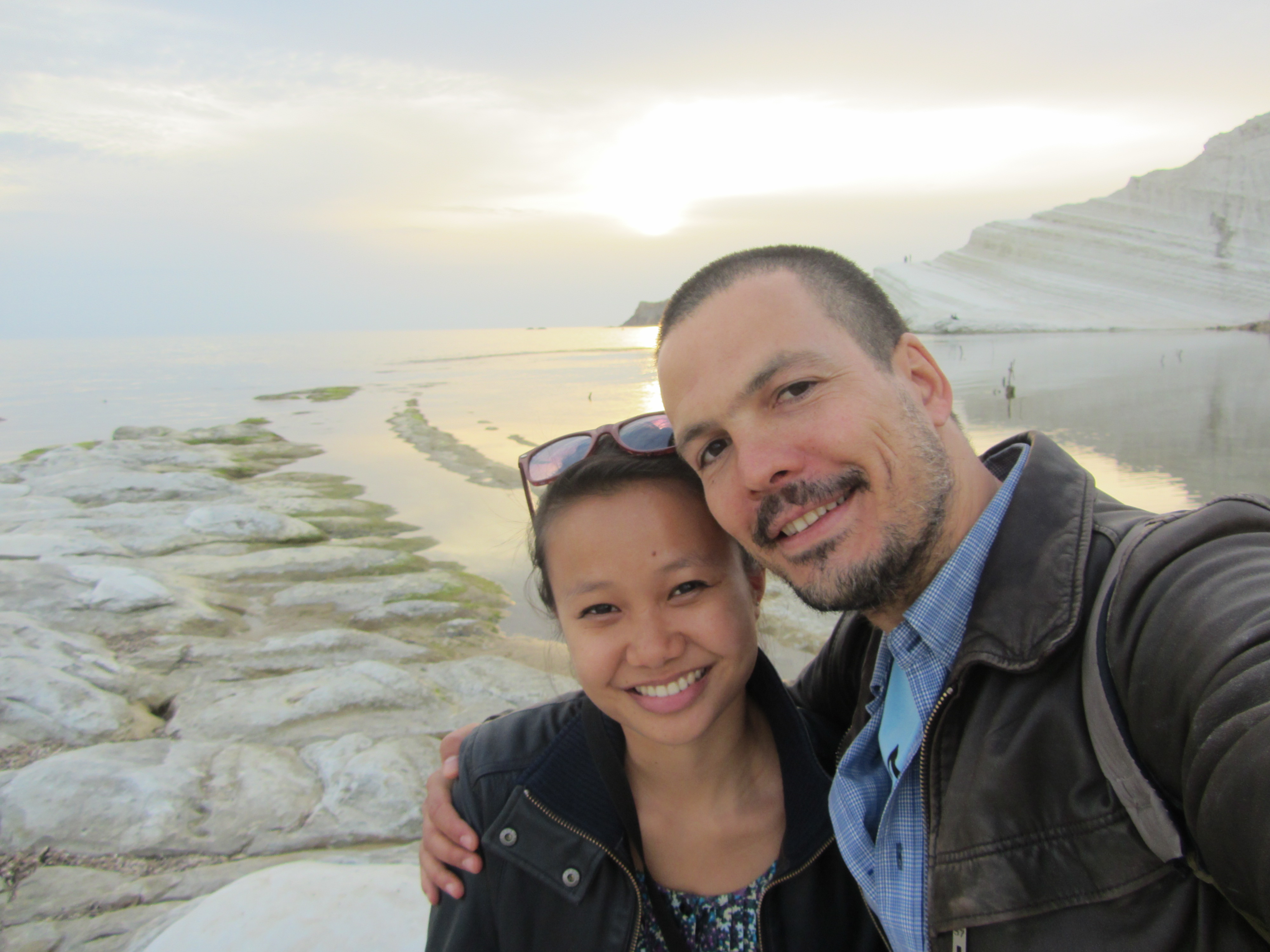
I’ve arrived at the end of the world. There is nothing more past this sand and sliver of ocean. I’m reminded of Sabriel, a book I once read as a child, and the shoreline that existed between the human world and the world beyond. In my imagination, all of those magical thresholds looked like this, the Cove of Turks, with water which is a liquid glass reflecting a doomsday sky, molded cliffs of white, chalky rock that could only exist in a wild landscape from a fantasy book.

7. Segesta.
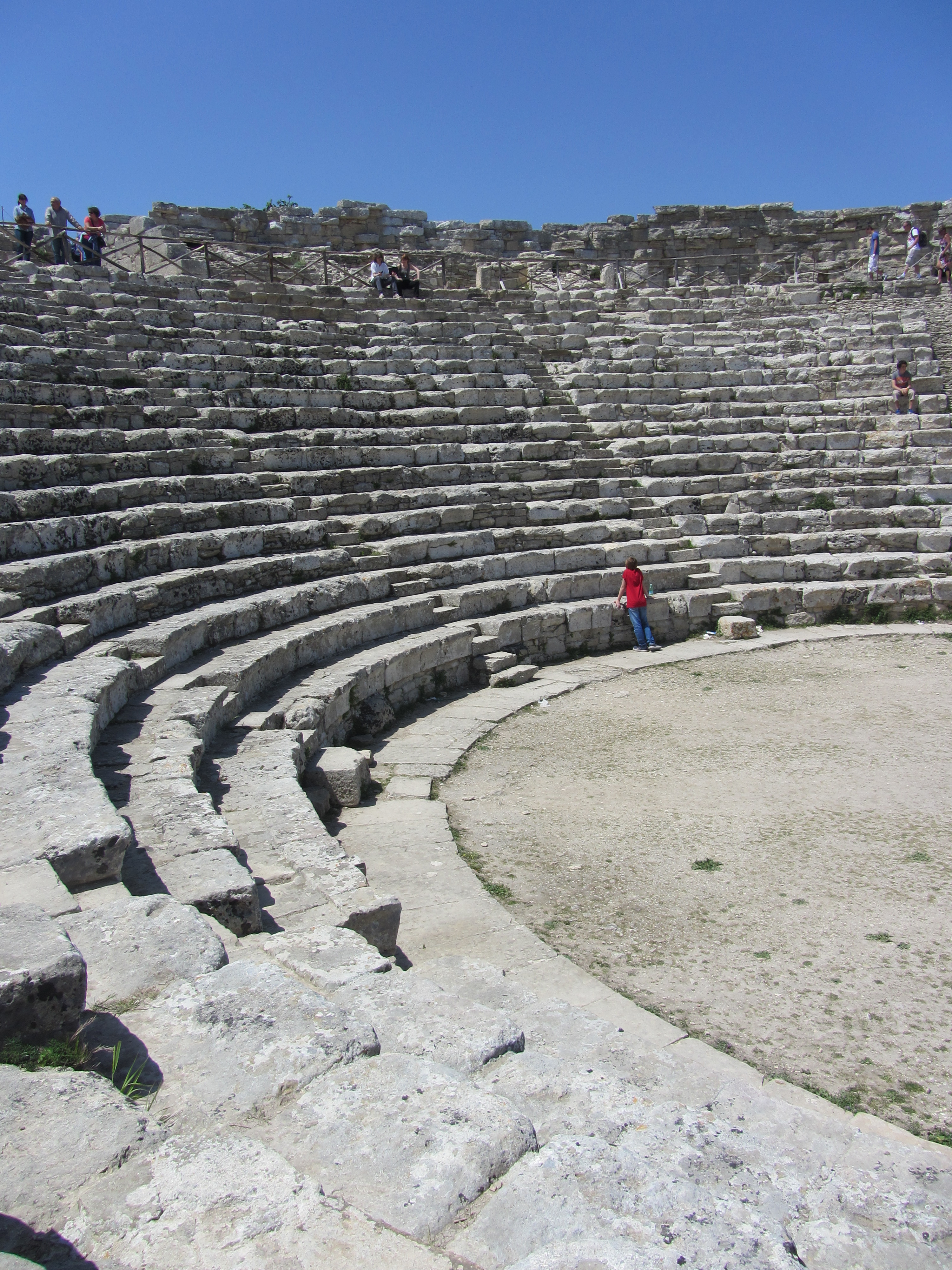
Among hilly Sicilian fields lie the best-preserved Greek temple and amphitheater in the world, possibly. Athens is no comparison. The hot stone steps of the semicircular theater overlook a sprawling, green valley.
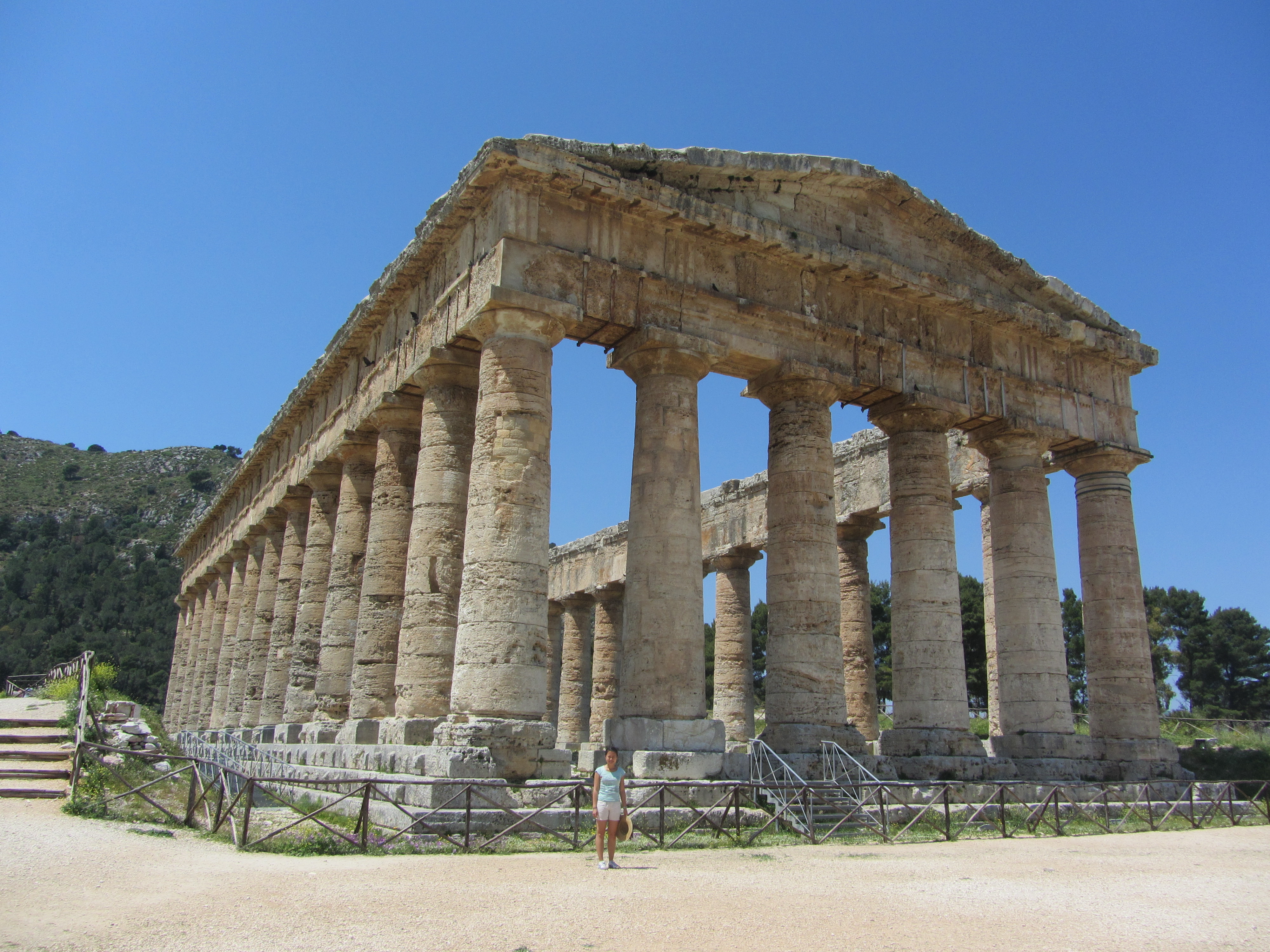
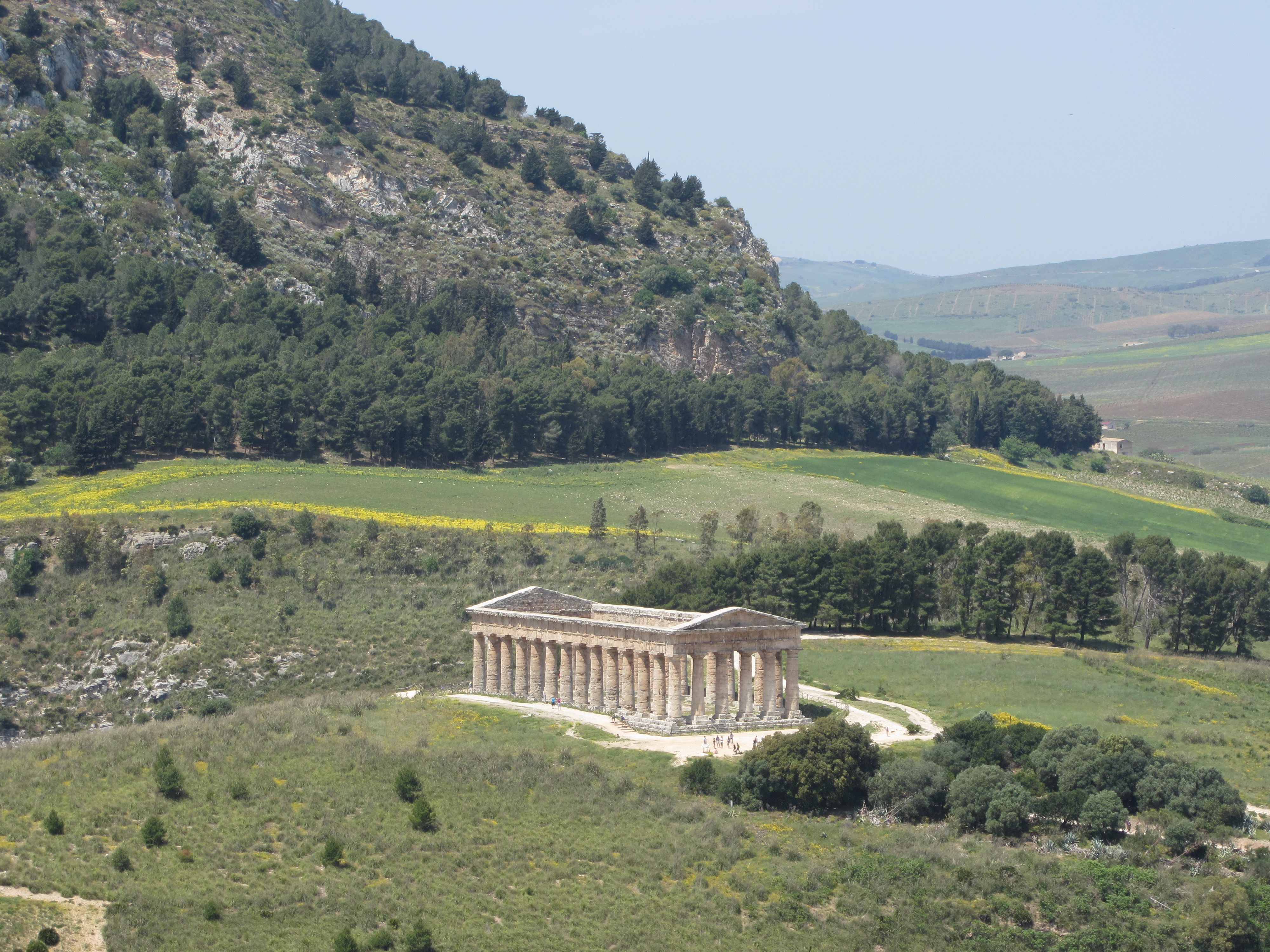
This temple looks almost like how it would’ve appeared 2500 years ago. Beautiful, rosy rock columns remind me of gigantic wine corks stacked one on top of another. The best thing is there’s nary a soul here; the intimacy of millenia creeps up on us under the shade, on a rock where we contemplate the columns.

8. Zingaro Nature Reserve.
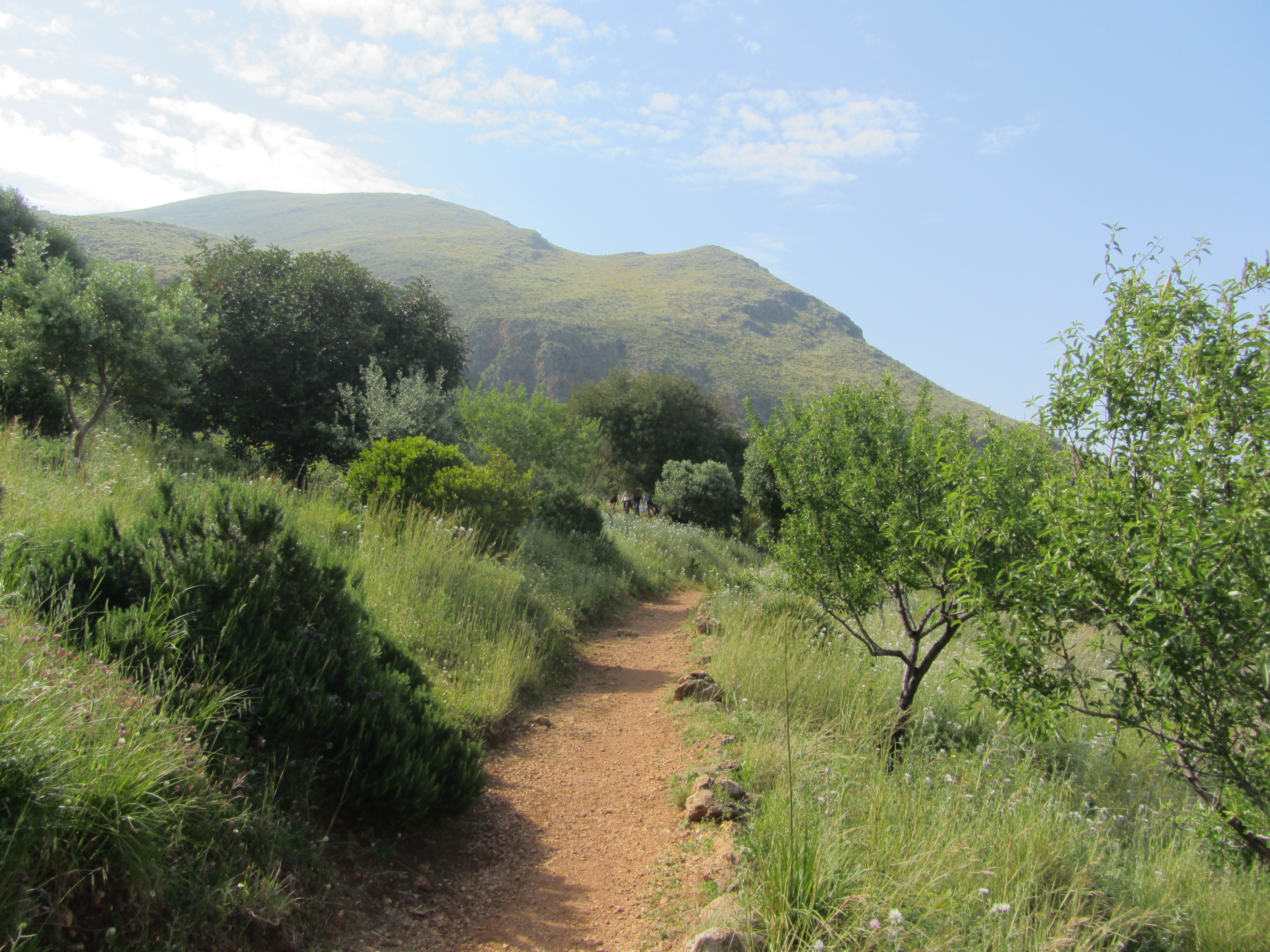
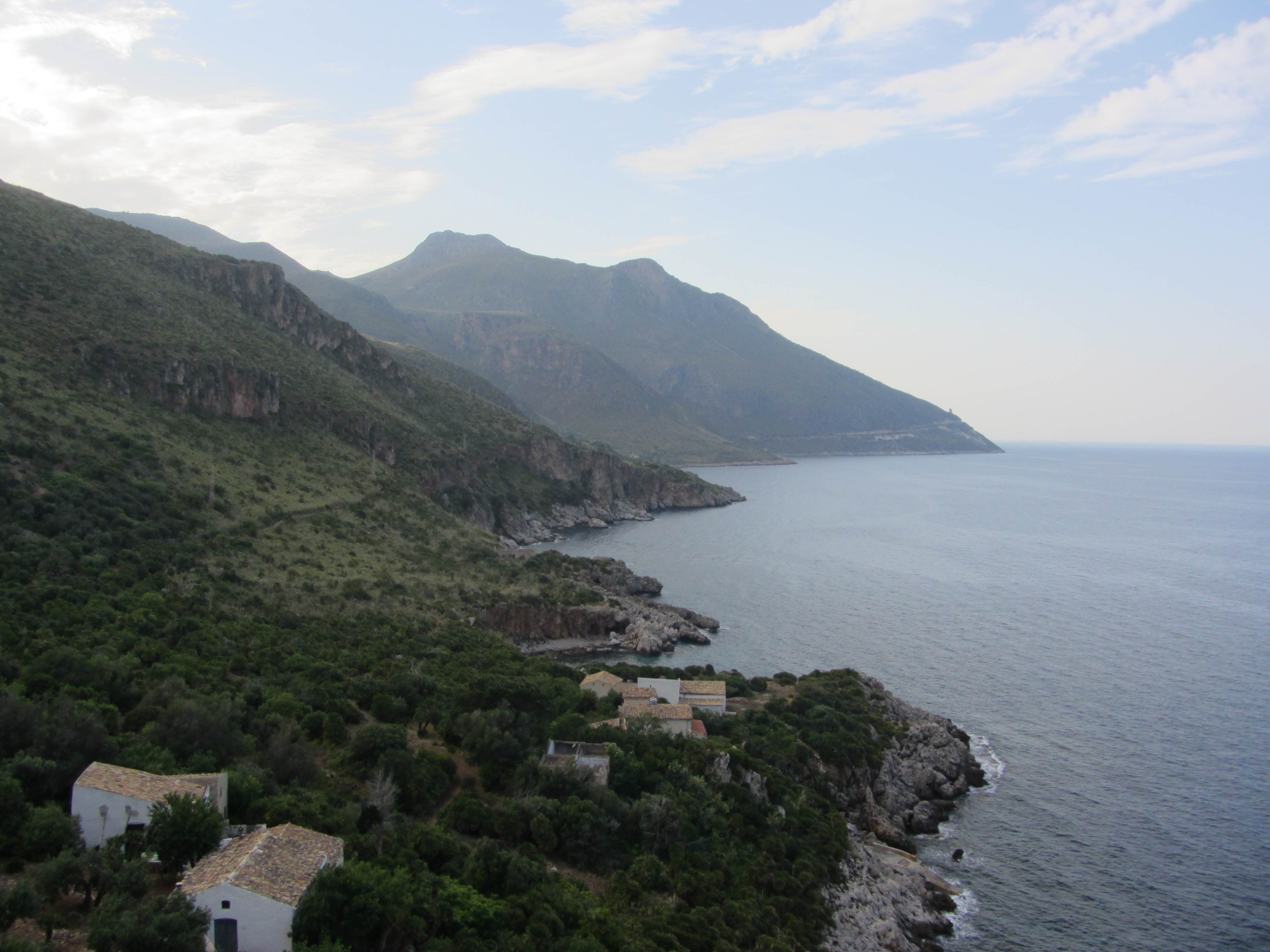
An invigorating hike at dusk leads us from cove to cove on snaking dirt paths, between long grasses into which lizards scuttle, along the shoreline which is slowly settling into its barren, lonely nocturnal adventures.
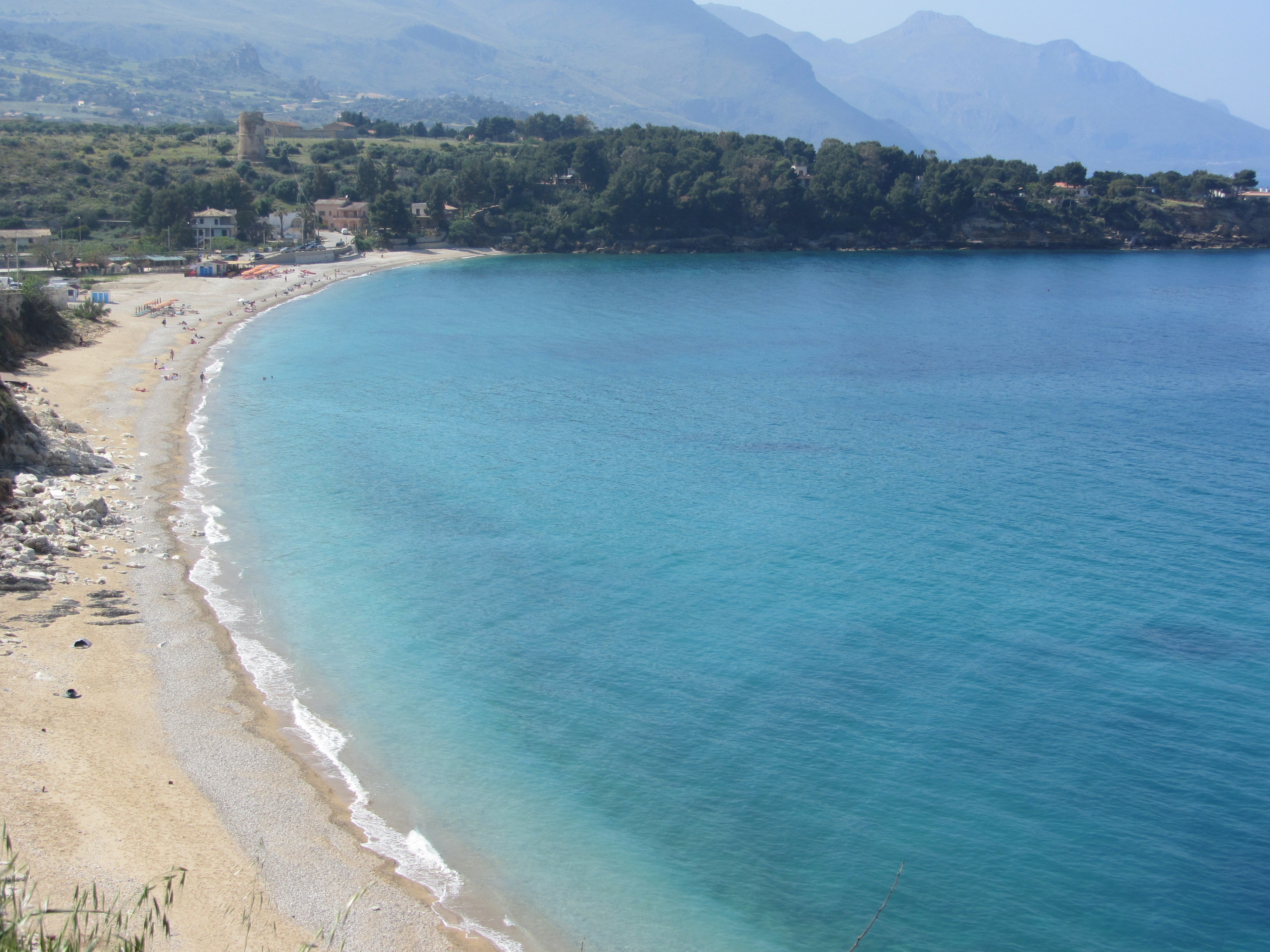
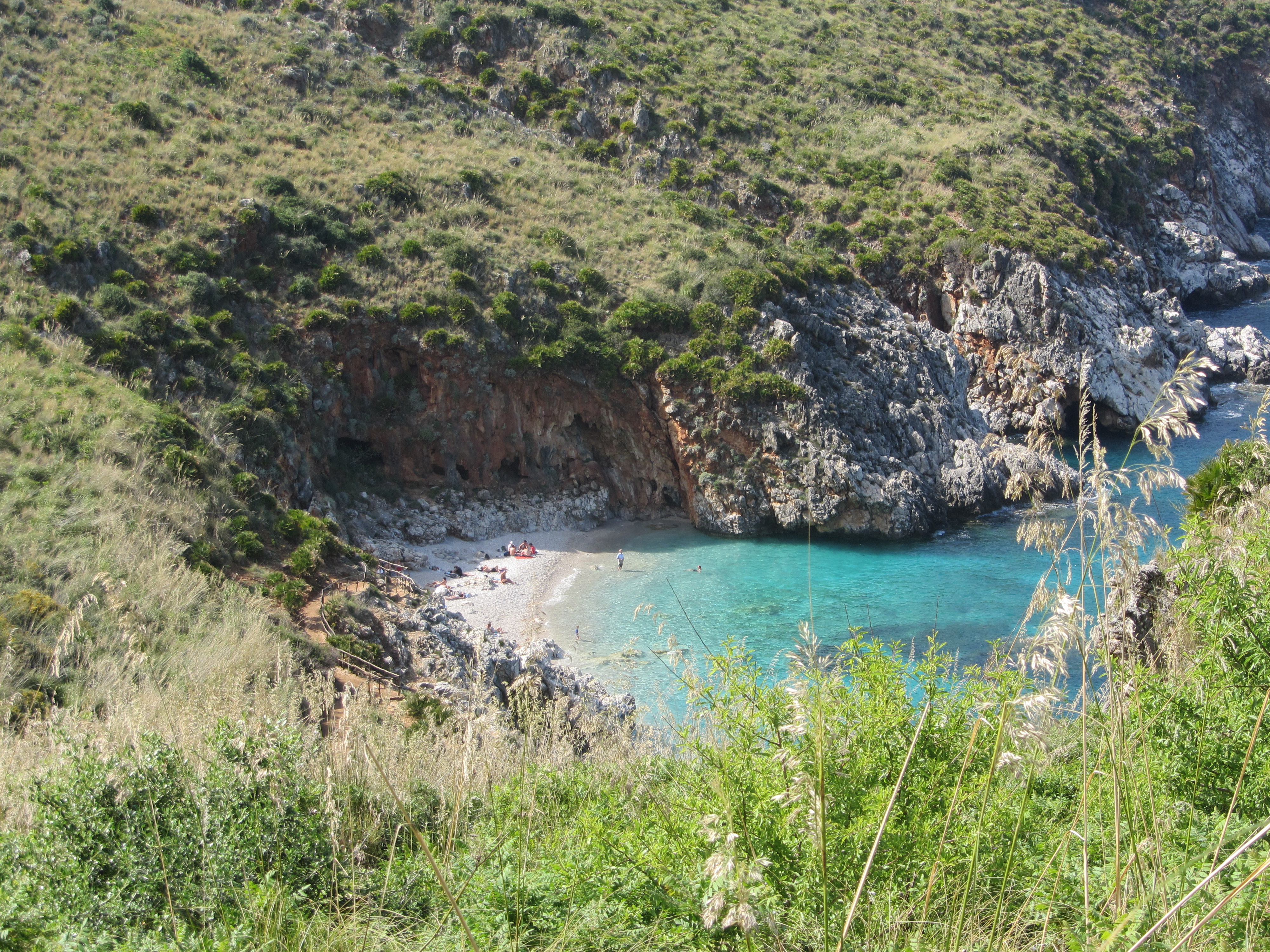
I wish we had time to hike the entire 7 kilometers and back — a day’s trek. Flowers peek from the brushes and the cool salt breeze threatens to send my hat flying. Walking on a silent road in a foreign place between mountains and sea is one of the best ways to let go of one’s self.

9. Favignana.
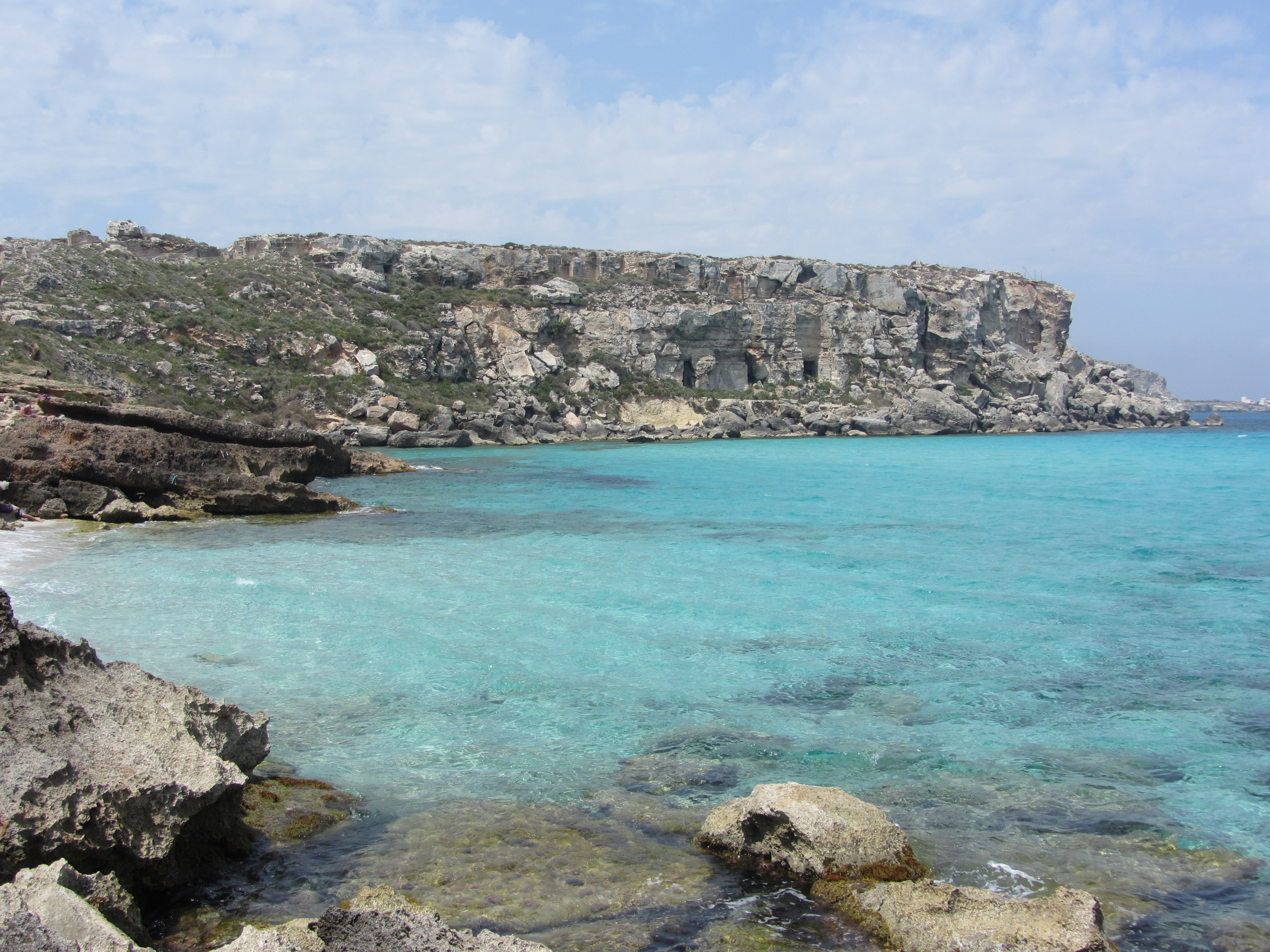
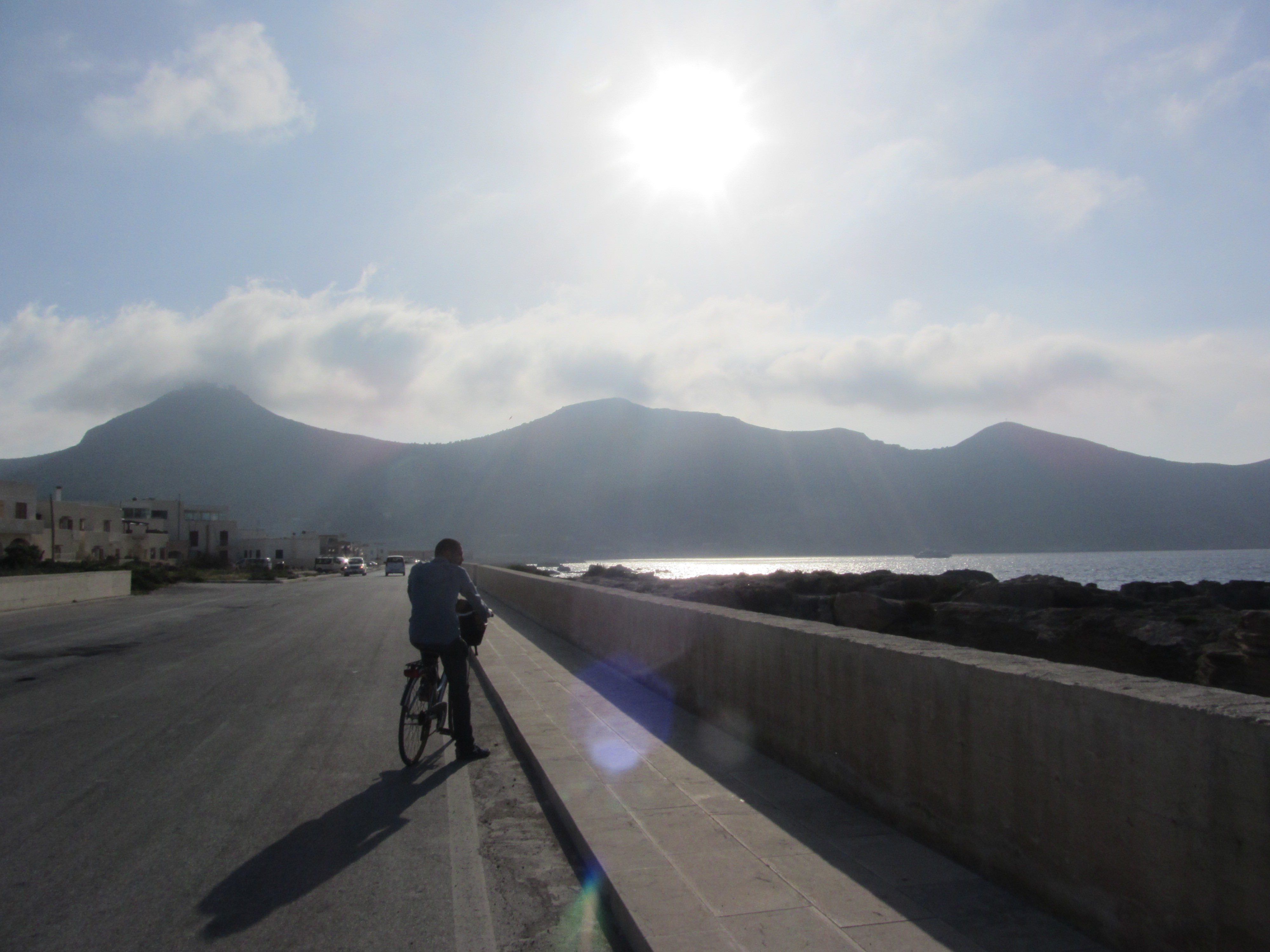
The island scenery is cinematographic as we whizz by smoothly on our bikes; the sun glimmers through the shade of trees, calves feed under their mothers on blank stretches of farmland. Ruins sit untouched and ignored in valleys. On the northern side, the beaches are windy and boast fiercely turqoise waters, whereas the ones in the south are calm, hot, and sandy.
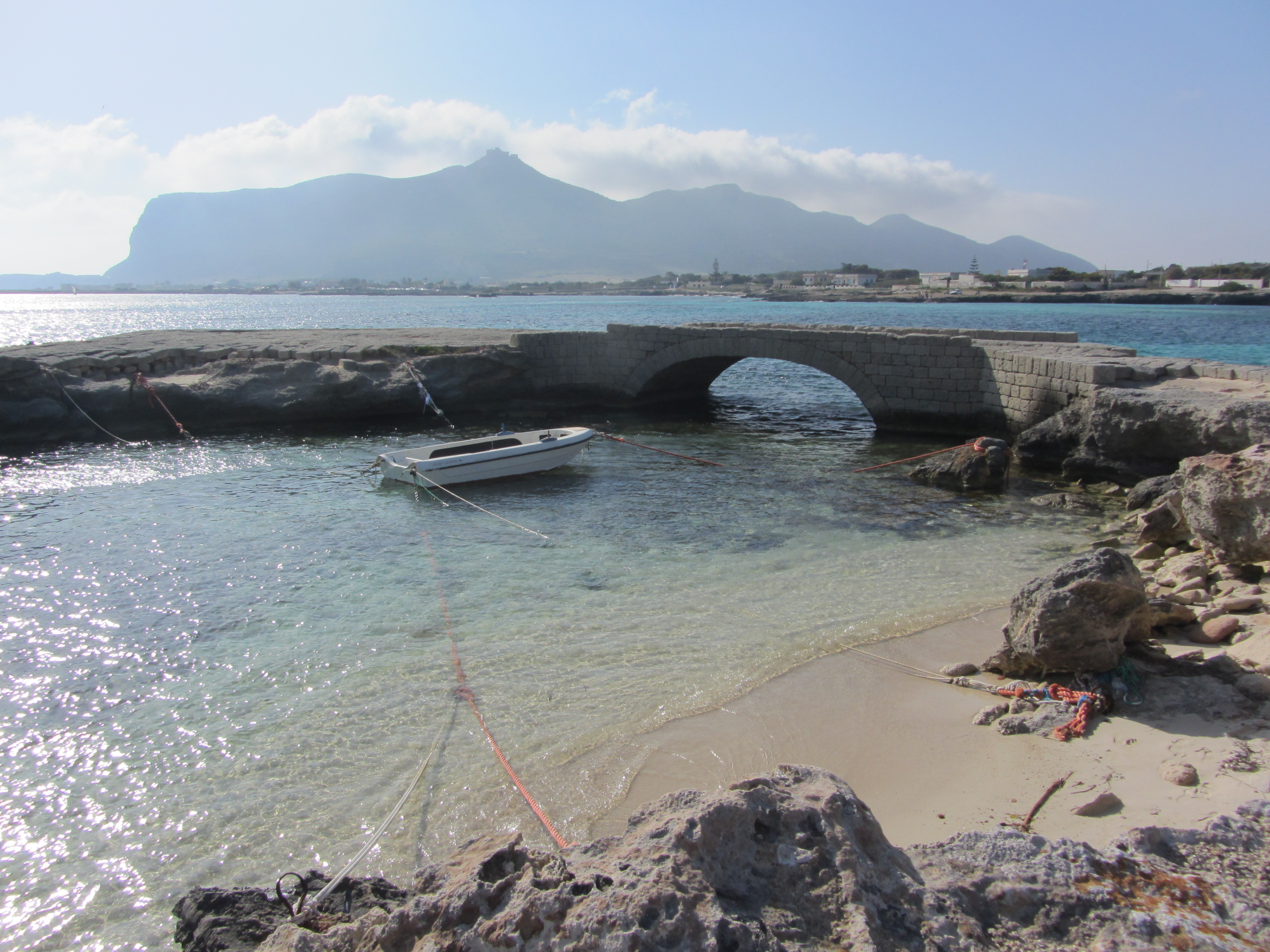
There must be particular comforts to living on such a small island. To be nowhere near the center of the world, to never pay mind to traffic lights, to always be able to go back to that one rocky, empty cove which is sympathetic to lonely island hearts.
10. Erice.

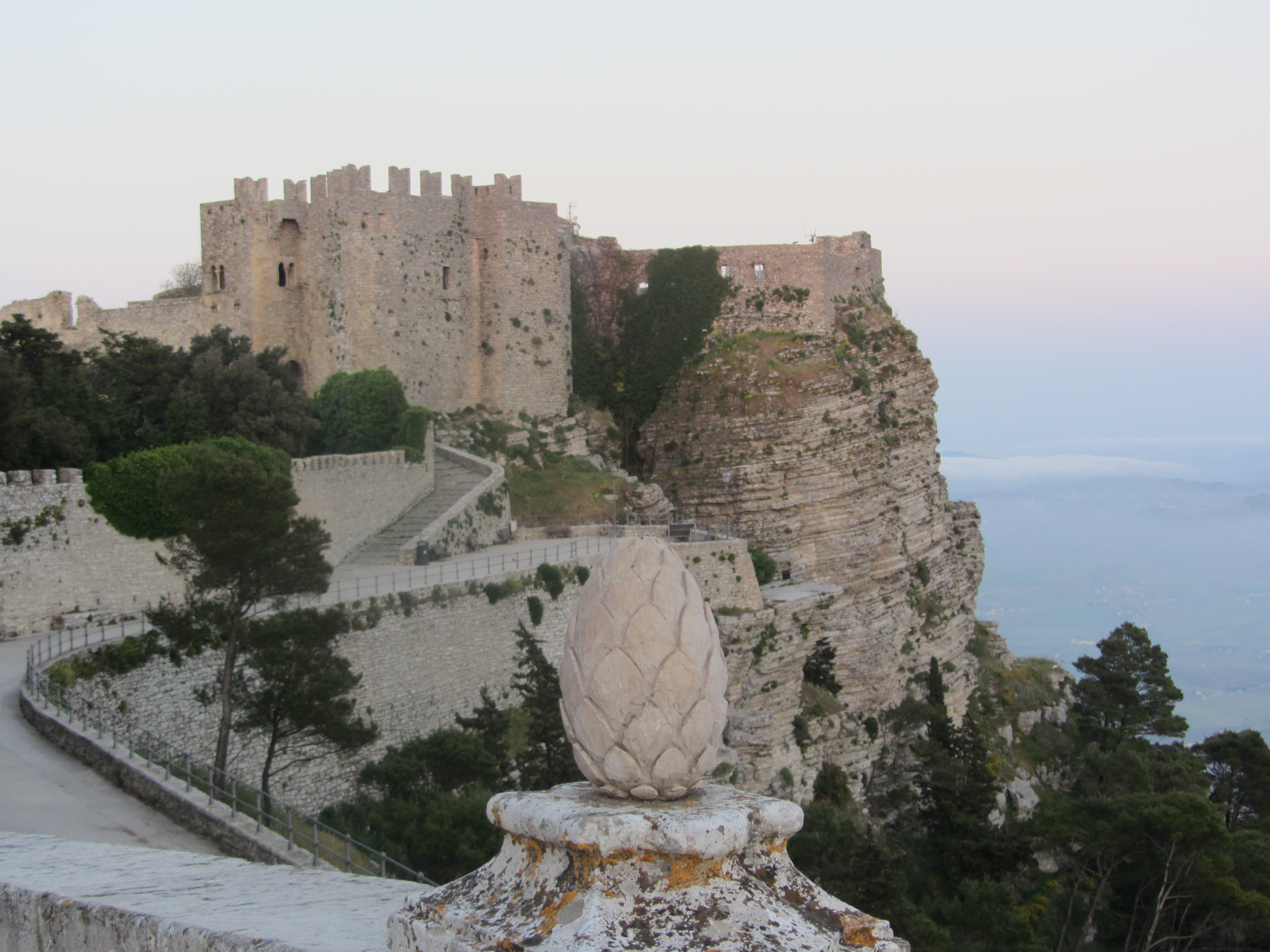
Dusk, again. The car climbs the steep hills up, up, and above the clouds into a town where surely some fairy tale must have taken place in the past. A castle hanging over a cliff, where Rapunzel let down her hair into the foggy abyss. As daylight slowly fades, the streetlights blink on, illuminating the promenades which overlook the sprawling city of Trapani far below. Here there is something mystical, something which has defied the passing of time. On the threshold between day and night, Erice is a town of ghosts that wander the bell towers, the alleyways, the castles in which they died centuries ago.
BookRamblings: Slouching Towards Bethlehem

Slouching Towards Bethlehem, Joan Didion

This book had been collecting dust at the bottom of my bookshelf for some years now, left by a friend who used to live in Madrid, until I decided to pick it up a couple weeks ago in my attempt to read all the books I own. The older I get, the more I savor prose, essays, and journalistic reporting — non-fiction in general. I think it’s because the mature reader, having come a long way from the “what happened next” of childhood fairytales, searches relentlessly for form, holding up a magnifying glass to how something is being told.

Anyone can tell a story or report an incident. But what I love about a good essay or magazine article is how intimate it can be, how much you can gather about the author and his tastes and ideology and expertise, as opposed to a novel or a short story. I could never write straight fiction because I feel as if that kind of writing, when I try my hand at it, is so distant from me, so alien and rootless, and therefore extremely difficult. I think part of it is because when I write I can’t get out of my own head. It takes a whole other kind of talent, a different kind of writer,  to imagine the world from another person’s eyes.

Proving a point, explaining a theory, or describing a trip or experience, with personality, flow, and concision, is also difficult. But the starting point is you — what you think, how you feel, what your impressions were. I remember when we were in grade school how we were told to cut out “I think” from our expository writing, as it proved to be obvious and redundant. Now I realize how necessary it is sometimes, to remind the reader that the writer isn’t this all-knowing, invisible narrative power, but a person just the same, of flesh and bone and a singular perspective.

Joan Didion, in the essay titled “On Keeping a Notebook,” says it elegantly: “But our notebooks give us away, for however dutifully we record what we see around us, the common denominator of all we see is always, transparently, shamelessly, the implacable ‘I.’…We are talking about something private, about bits of the mind’s string too short to use, an indiscriminate and erratic assemblage with meaning only for its maker.”  And that is what I love about her prose, the transparency and earnestness of finely chosen words that are not simply strung together, but which seem to be rather the clear manifestation of a writer’s observational brain, of that side which is in the dark, from where that extra string dangles.

I think what Joan Didion does so well in this collection of essays is slip the reader doses of universal truths, packaged in this amazing lyricism, and bound in intimate experiences of place, in particular, California. She transmits so well the feeling that a place creates, not upon first sight or on a physical level, but the spirit that it fosters after having nourished generations of sedentary families, fortune seekers, and restless youths. The title essay, “Slouching Towards Bethlehem,” which comes from W.B. Yeat’s poem “The Second Coming,” is the centerpiece of the collection and focuses on the counterculture of the 1960’s in San Francisco, where her encounter with the lost generation of revolutionaries and drug addicts gives evidence to the slipping center of American society.

I especially liked “The Los Angeles Notebook,” in which she talks about the Santa Ana, a mythical wind that blows 20 days out of the year in Los Angeles, causing forest fires, headaches, and murders, and creating the chaotic, rootless sense of place which defines life in that city:

Los Angeles weather is the weather of catastrophe, of apocalypse, and just as the reliability of the long and bitter winters of New England determine the way life is lived there, so the violence and the unpredictability of the Santa Ana affect the entire quality of life in Los Angeles, accentuate its impermanence, its unreliability. The wind shows us how close to the edge we are.

The restlessness of life in California, the sense of “running out of continent,” is also reflected in the lives of the people, famous or infamous, that Didion writes about. Her portraits of the different “dreamers of the golden dream” in the first part of the book, “Lifestyles in the Golden Land,” capture her talent for sketching out the bare essentials of what a character was like, Joan Baez or John Wayne, in a few terse pages. She describes Comrade Laski’s political compulsion in a way that is intelligent, relatable, and true:

As it happens I am comfortable with the Michael Laskis of this world, with those who live outside rather than in, those in whom the sense of dread is so acute that they turn to extreme and doomed commitments; I know something about dread myself, and appreciate the elaborate systems with which some people manage to fill the void, appreciate all the opiates of the people, whether they are as accessible as alcohol and heroin and promiscuity or as hard to come by as faith in God or History.

As I mentioned, what I love is how personal her writing is, and how she manages to say so much, so eloquently, with so few words. Even when she is talking about a wholly different time, a public figure, or a universal tendency, she also seems to be reflecting on herself as a writer: as someone who has lived a history converging with that of the topic at hand, and who is putting up a powerful magnifying glass to it. On the nature of humanity, she is compelling and wise; that is why her biographical sketches read more like philosophical character studies.

In her essay, “On Self-Respect,” she reflects on the definition of that word and probes into what it is we lose when we lose respect for ourselves, how our understanding of it develops parallel to our misguided judgment of ourselves as we grow:

To assign unanswered letters their proper weight, to free us from the expectations of others, to give us back to ourselves — there lies the great, the singular power of self-respect. Without it, one eventually discovers the final turn of the screw: one runs away to find oneself, and finds no one at home.

Like in other essays, “On Morality” and “On Keeping a Notebook,” Didion’s power of reflection on the life of things and human behavior comes from an intense inward gaze. She writes about the slipping of memory, the revisiting of a younger, different self, the deceptiveness of personal conscience, the head-on collision with one’s past on returning home.

Finally, in the essay which ends the collection, “Goodbye to All That,” Didion nostalgically remembers her years spent in New York City as a naive twenty-some year-old, and how her relationship with the city ran its course after the mirage faded, after she realized it was a city full of unkept promises only for the young. Her descriptions of a moment she remembers while standing on Lexington Avenue eating a peach, experiencing the smells of the city and the hot air blowing from the subway grate, really resonated with me because, as she says, everyone can remember being young and in New York. As a 25-year-old I still have that undying ambition to return and to relive such cinematic moments, to “stay up all night, and make mistakes” that still won’t count. I’d like to re-read this essay years down the line, when I can look back at those times with a different lens made more precise, and at the same time more out of focus, by an aging memory.

The Garden of Forking Paths

By fifth grade we recited Dylan Thomas
with apocalyptic voices,
Lewis Carroll and Robert Frost.

At the time I didn’t recognize
the word diverge,
nor any yellow wood.

By thirteen I knew a bit more
about how to tell apart
ghost stories and a tale

one shouldn’t believe,
a dream one should never
find to be true: upon

reaching the end of a dark staircase,
when shaking a pressed leaf
from a book.  By now all

the yellow woods I’ve seen
are blanketed in snow,
and the paths at the edge

blurring from remembrance.
Lined with stones from the sea.

For We Write Poems’ Prompt #106, Forks in the Road

Photo credit: blog.xuite.net