I: Sevilla
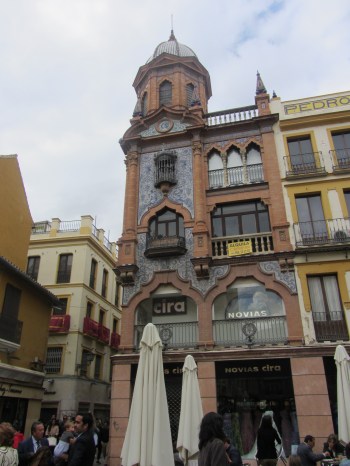
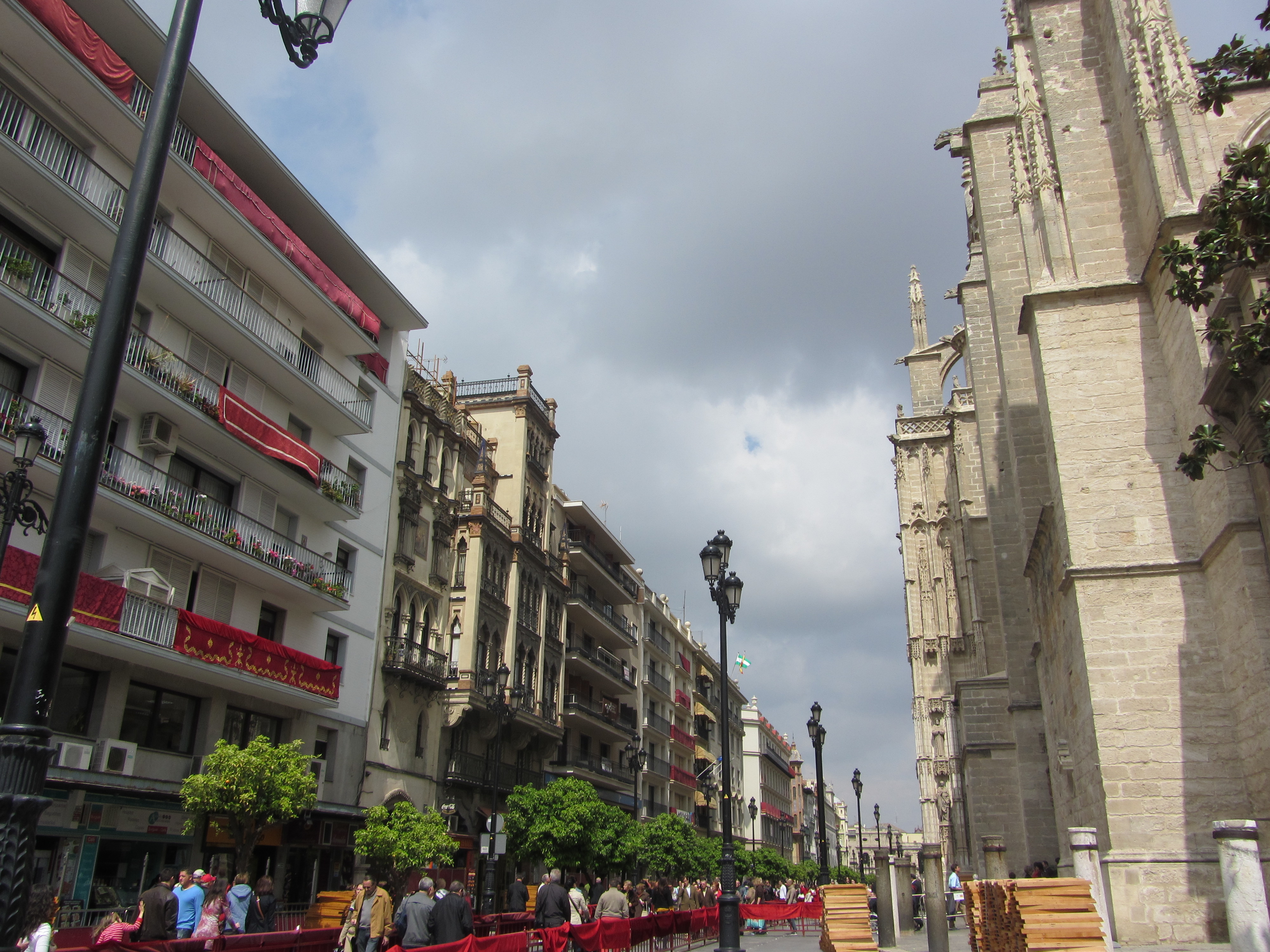
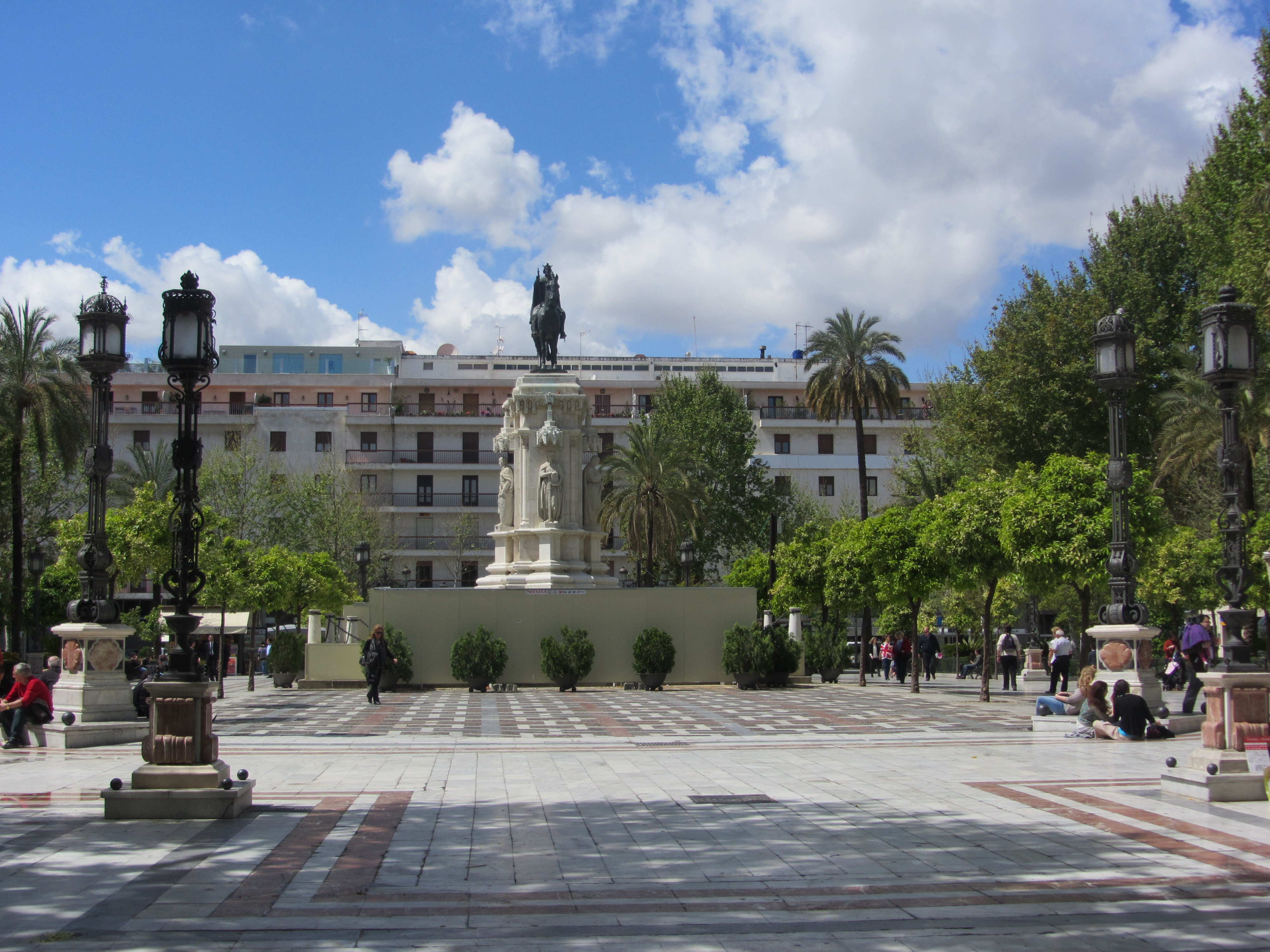
Seville is one of those cities that incarnate the vital, pumping heart of a country, its veins reaching deep into an old Spain that is felt in its grandiose plazas, its signature fragrance of orange trees and jasmine, the gait of afternoon strollers as they walk, as if kings, the snaking cobblestoned streets. The imagination is incited in this city, which feels at times like a town wanting for you to come closer and sit awhile, lazily, on one of its shaded benches. Here a gloried history of Spain can be read on every building facade and in every park.

We catch the highspeed train from Madrid on a cold morning on Tuesday of Holy Week, and after 2 and a half hours of nap, the train rolls gently into Santa Justa station in Seville after having quietly traversed half the country. The city is tense with its preparations for Easter, under an intermittent cover of clouds; there are already people dressed in their Sunday best lining up to enter neighborhood churches.
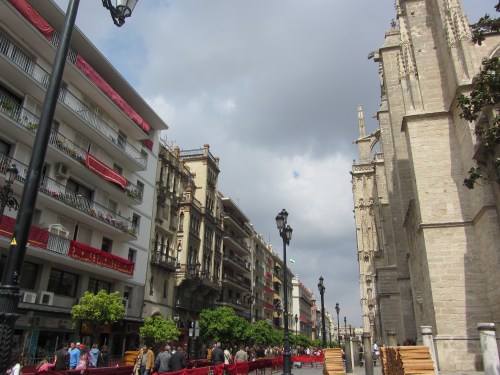


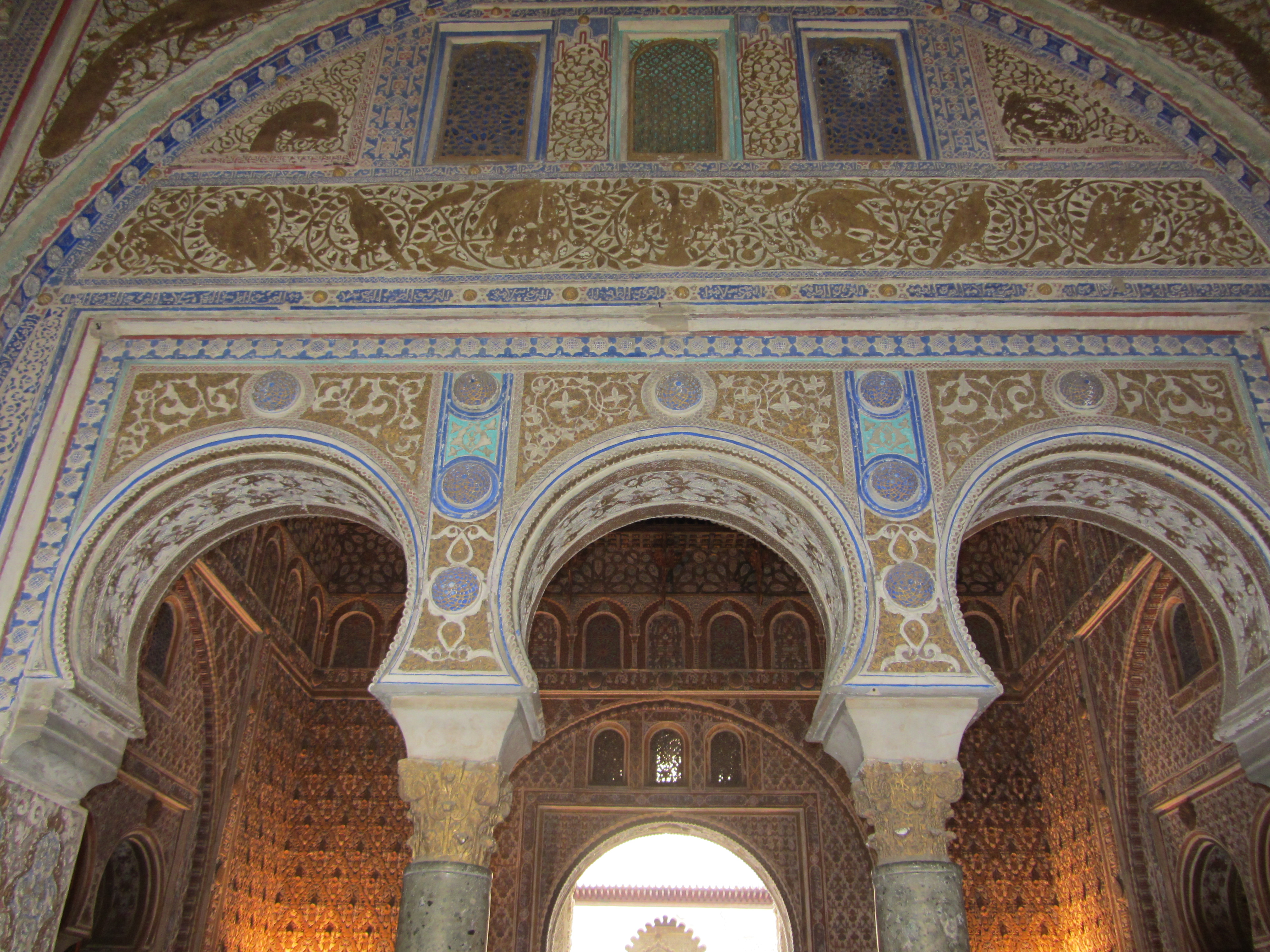
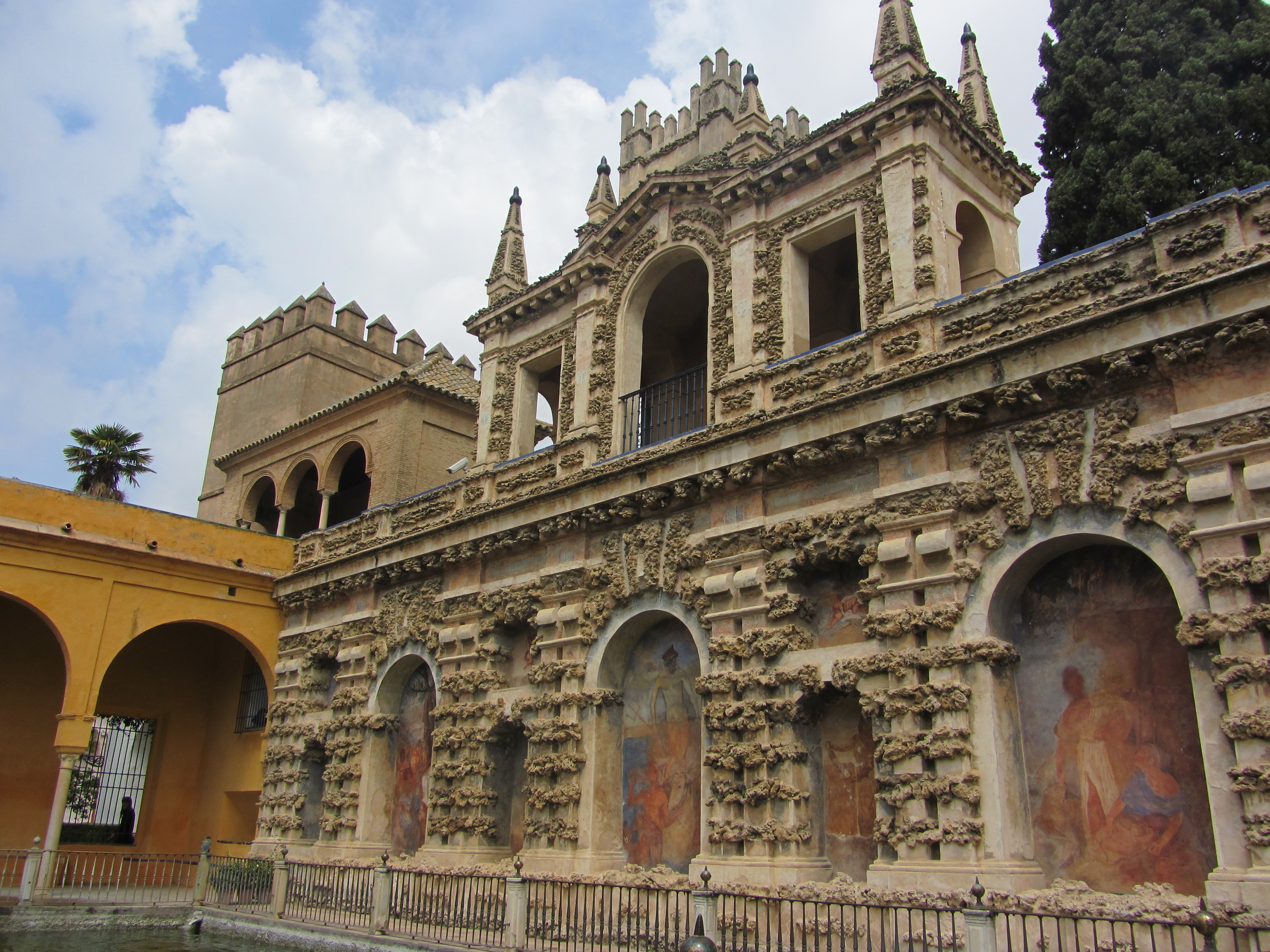
Andalusia holds the most important remnants of Spain’s Islamic reign which was toppled only in the 15th century. The Alcazar, or castle, of Seville stands as a testament to this singular history. An enormous palace housed inside a formidable stone wall, the Alcazar contains a complex of buildings and extensive gardens whose construction dates back to the late Middle Ages and which have gone through many stylistic reforms, beginning with those of the Islamic empire, to the “mudejar” ornamentation and the later gothic and barroque styles of the Christian era.

(Photo taken from pasarlascanutas.com; my photos didn’t do the exterior of it any justice)


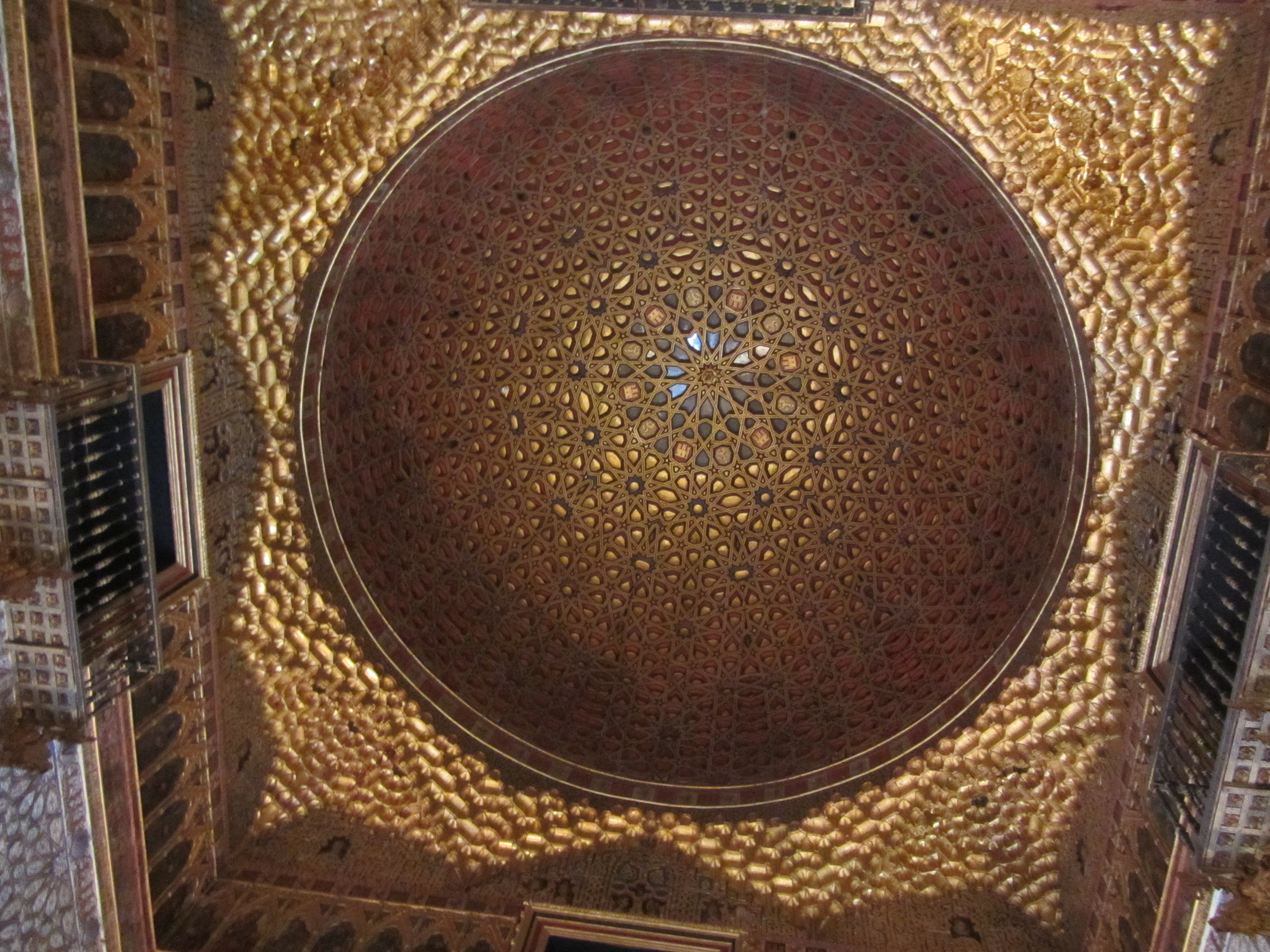
A visitor must be attentive to detail in such a place: the ceilings and walls are illuminated with the delicate interlaced geometric patterns which define Islamic art, and the colors, which are subtle and vivid at the same time, give life to every surface. Every possible corner is laiden with painstakingly decorated tiles. Empty spaces let in light, which moves easily through arched doorways and into patios; the trickle of water from long, sweeping fountains, the ever-present centerpiece in Moorish palaces, remind one of the constant flow and presence of natural elements. This is not just any overwrought palace or dark, spare castle. It’s a fortress of light.


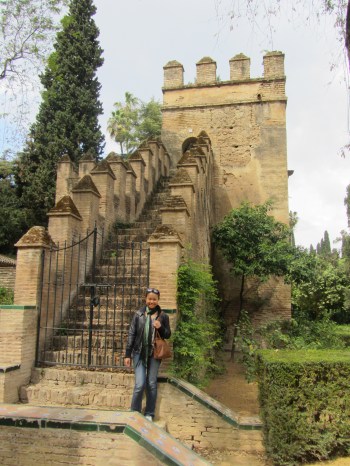
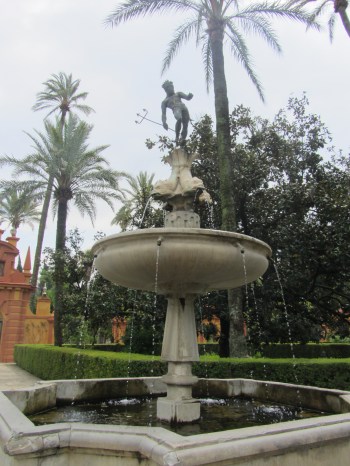
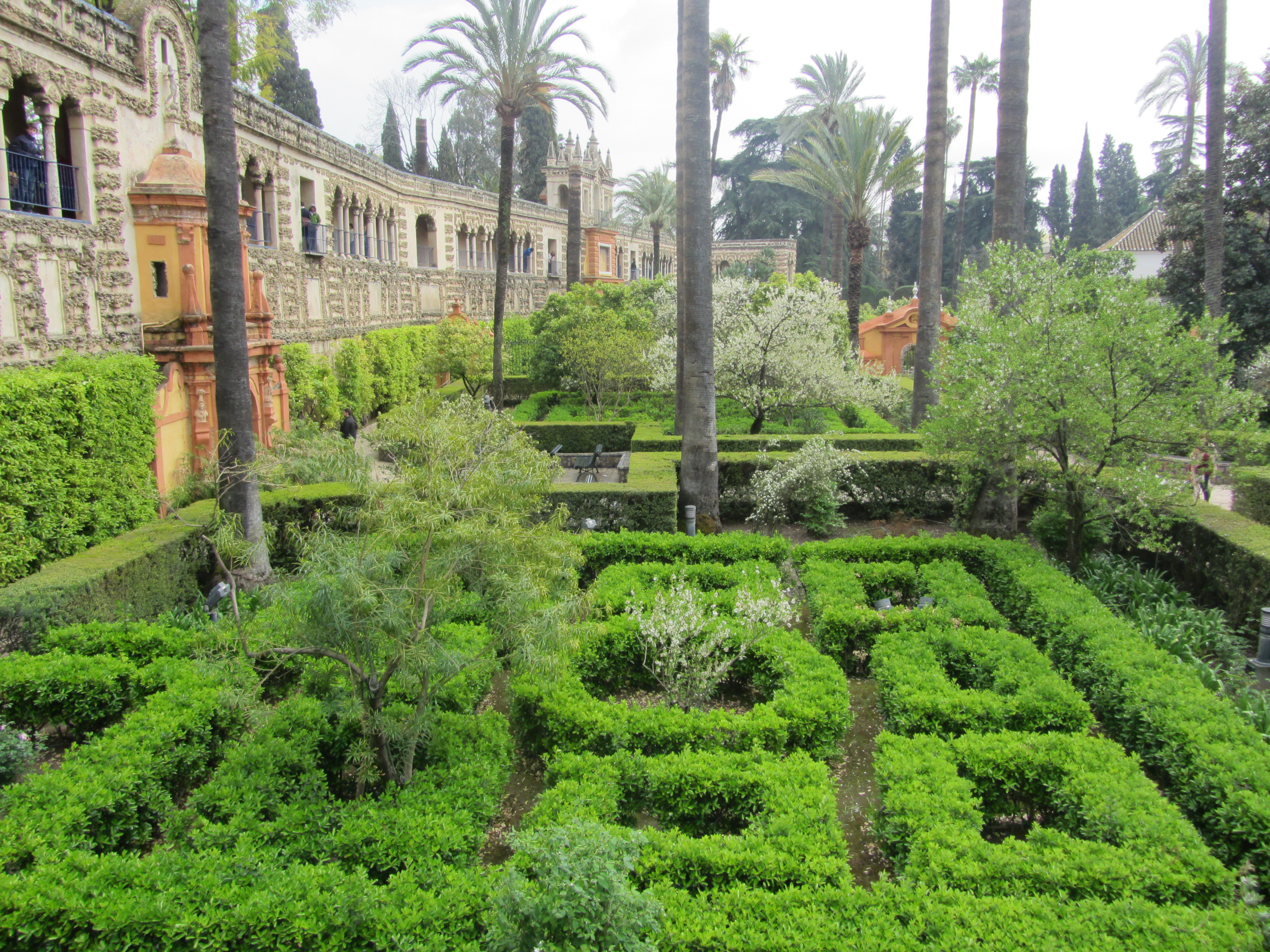
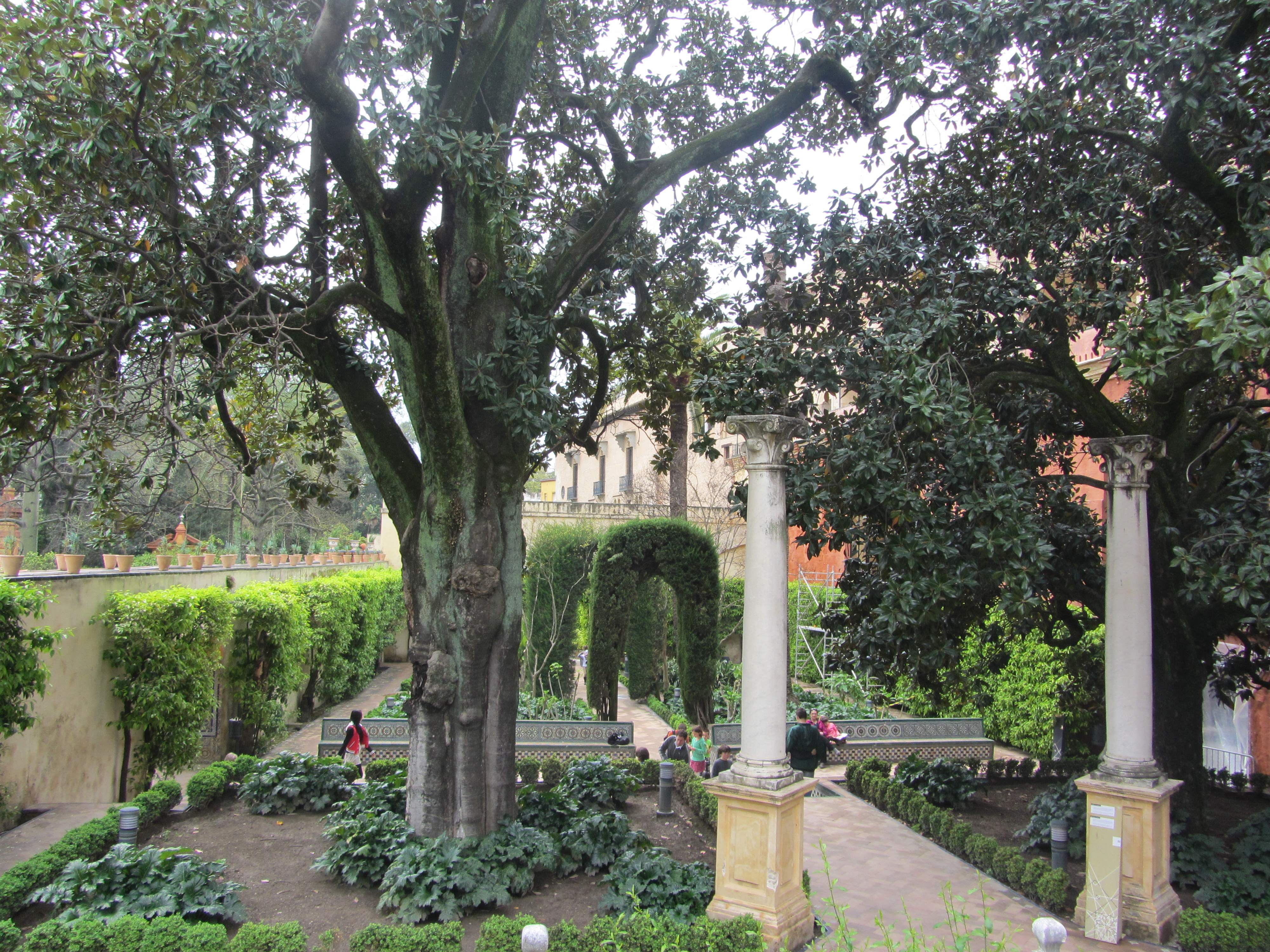
The gardens which surround the Alcazar are endless. We enter a small labyrinth which poses no challenge, wander across courtyards and up battlements, sit across fountains in patios where paintings still decorate the walls after several centuries. What must it have been like, to see the palaces furnished with rugs and tapestries and to have tea on floor pillows with a view of the gardens? Or to see the interiors illuminated by gas lamps at night, with not a single soul about, with every shadow attesting to the beauty of its surroundings?


We make our way out of the Alcazar, and as we wander the wide avenues, people walk purposefully in the opposite direction, some dressed in the traditional Easter processional garb: colored robes and a tall, pointy hat with holes cut out for eyes, a frightening resemblance to Ku Klux Klan hats. We make our way into a large park and reach the Plaza de España, which is an occasion for an abundance of photos.

A huge, impressive semicircular building with colonnades wraps around canals, where gondolas drift lazily under bridges, and surrounds a spectacular fountain in the center. What’s striking about this plaza, unlike any other in Spain, is it extensiveness and sense of grandeur; the patterned floor designs stretch tirelessly from end to end, the building looms under a gray sky like a vast ship which never moves.


Rain begins to pour as it always does during Easter week in Spain, and we take cover.
No visit to Sevilla is complete without seeing some flamenco. We wend our way in the rain into the tiny streets of the old Jewish quarter and arrive at La Carbonería, a small bar/restaurant with seating and a tiny stage where free, informal performances of flamenco take place nightly.


The place is overrun by tourists, the American kind. While chowing down on some dry tortilla and sipping on tinto de verano, we watch as a trio begin to perform — a dancer in a green dress, a guitarist, and a singer. Not your professional tablao, but for a free show, it’s not bad.
II: Córdoba
Another train, another city — this time to visit the famed Mosque of Córdoba, located at the historic seat of the Islamic empire during the height of its reign, the Califa de Cordoba.
It’s chilly and there’s very little hint of sun as we walk down the quiet streets of the Jewish quarter towards the Mosque after a satisfying breakfast of ham and egg.

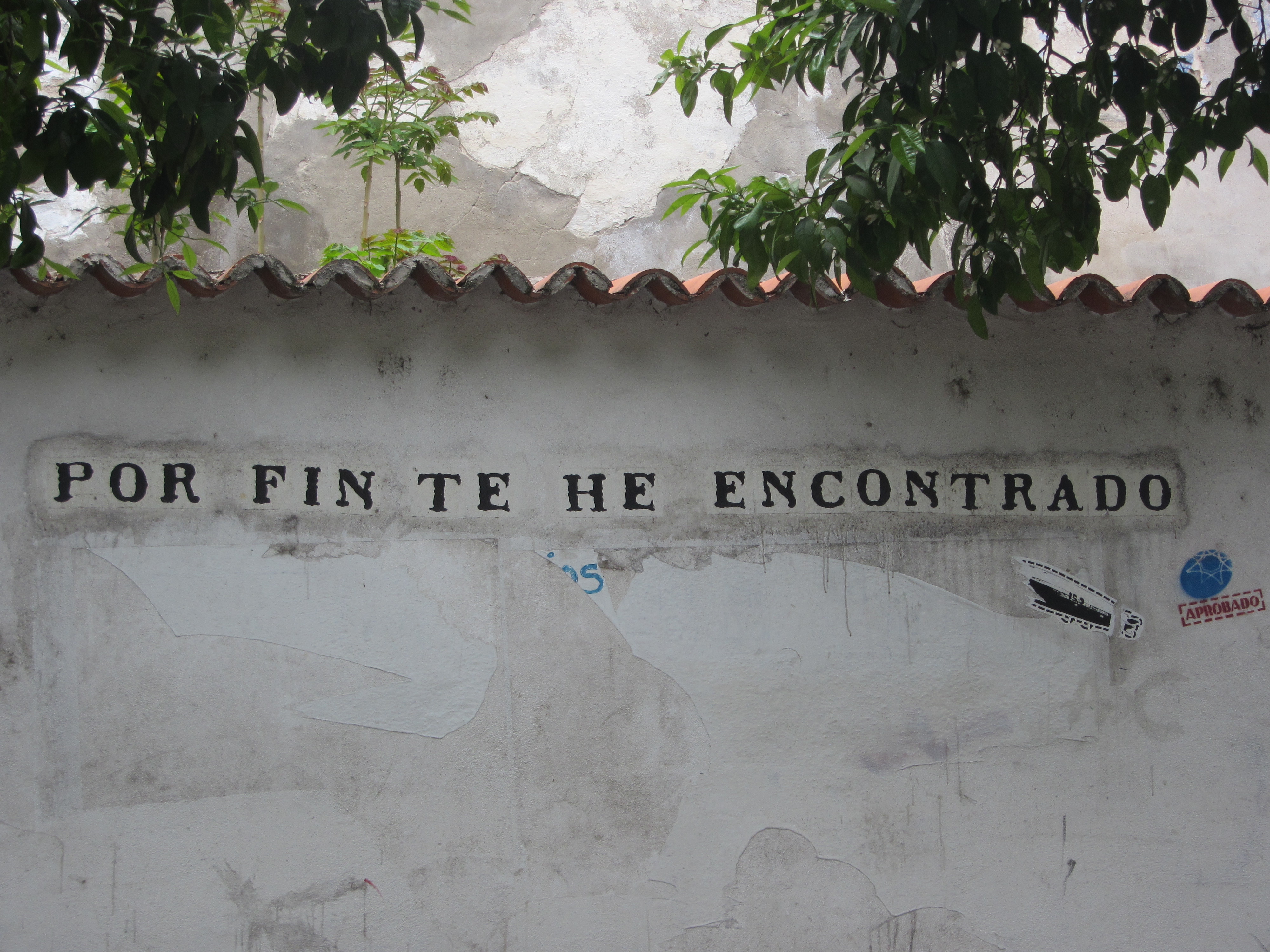
Graffiti made to look like a street sign: Against the current.

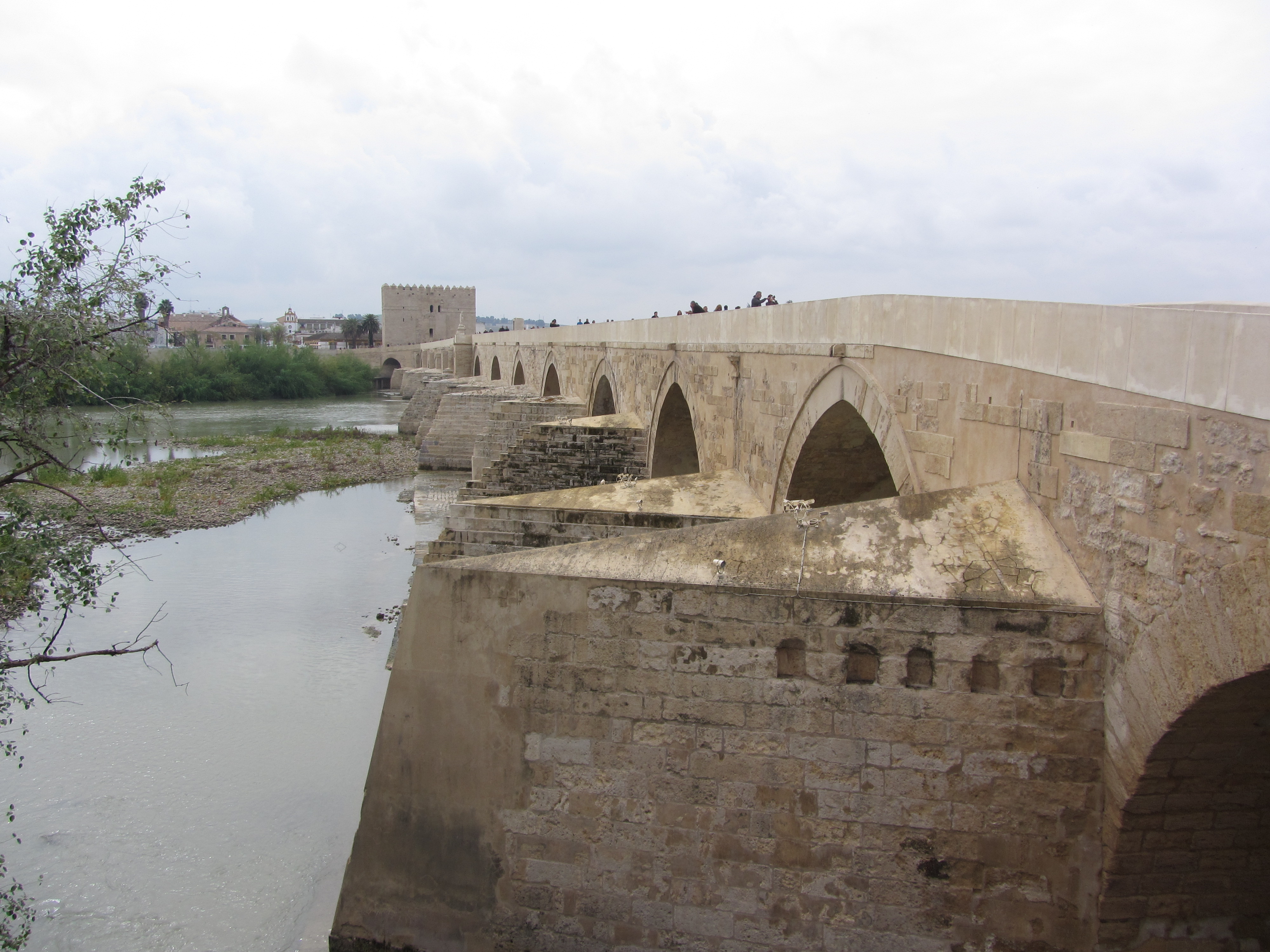
The Roman bridge.
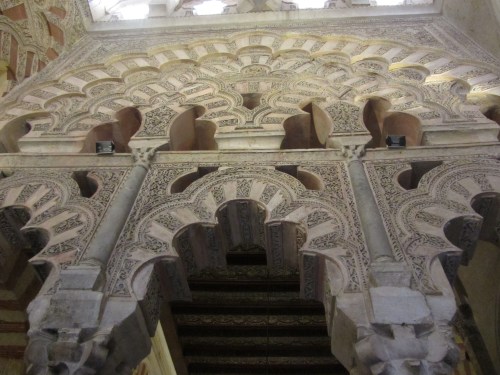
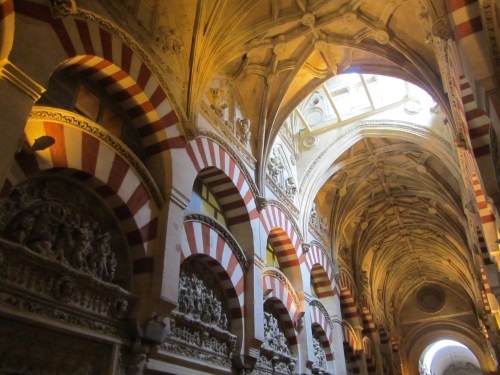
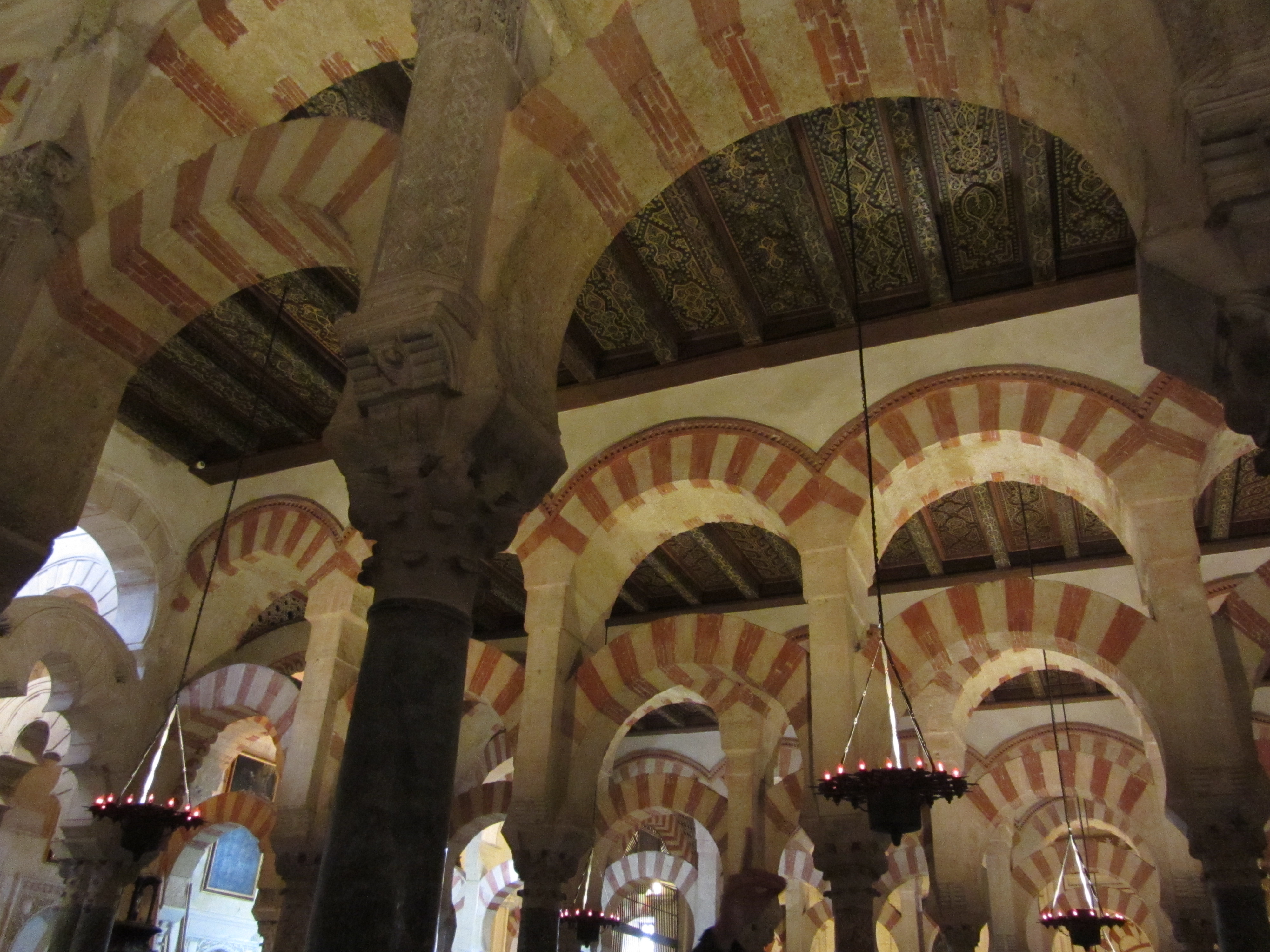
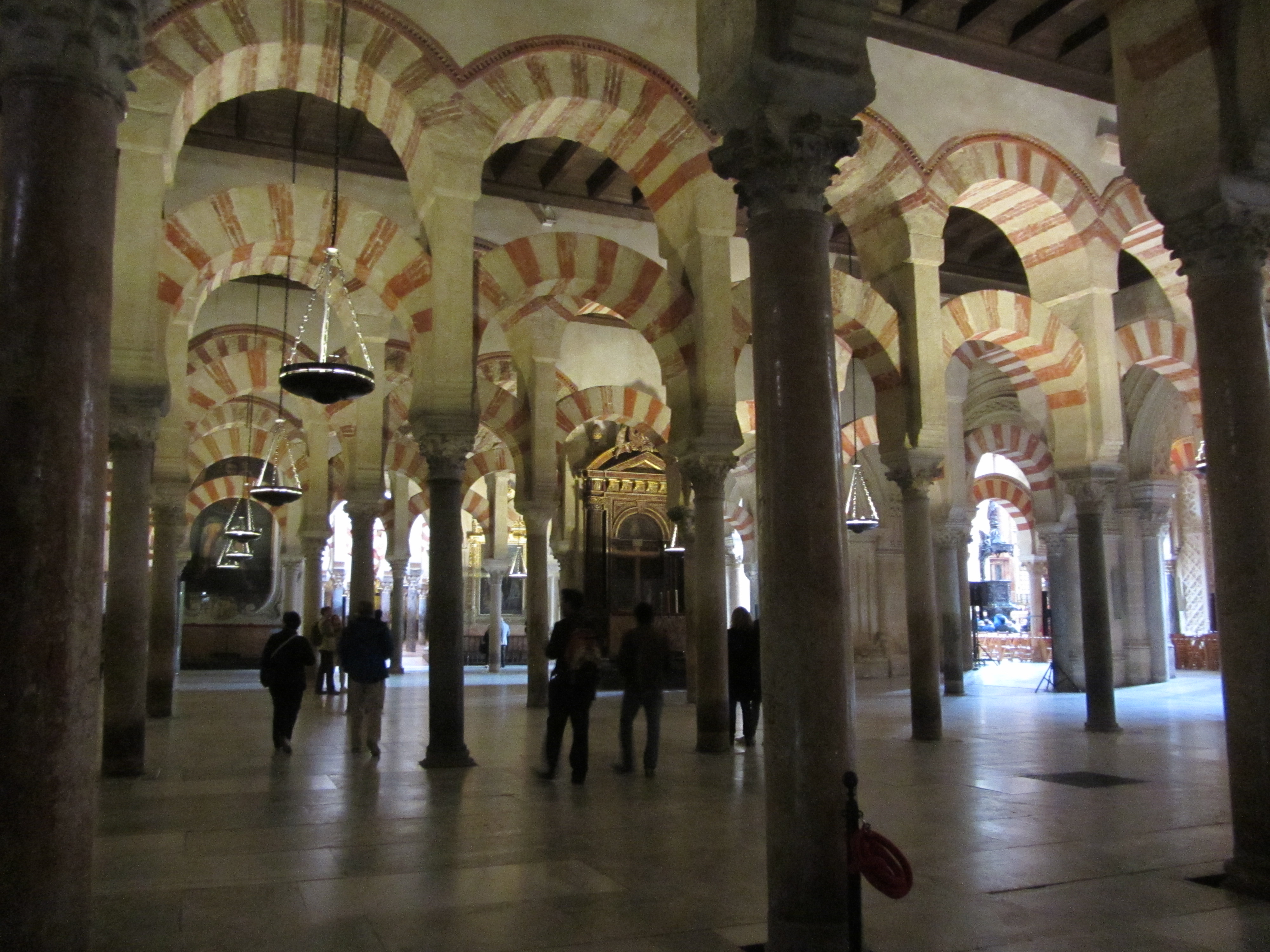
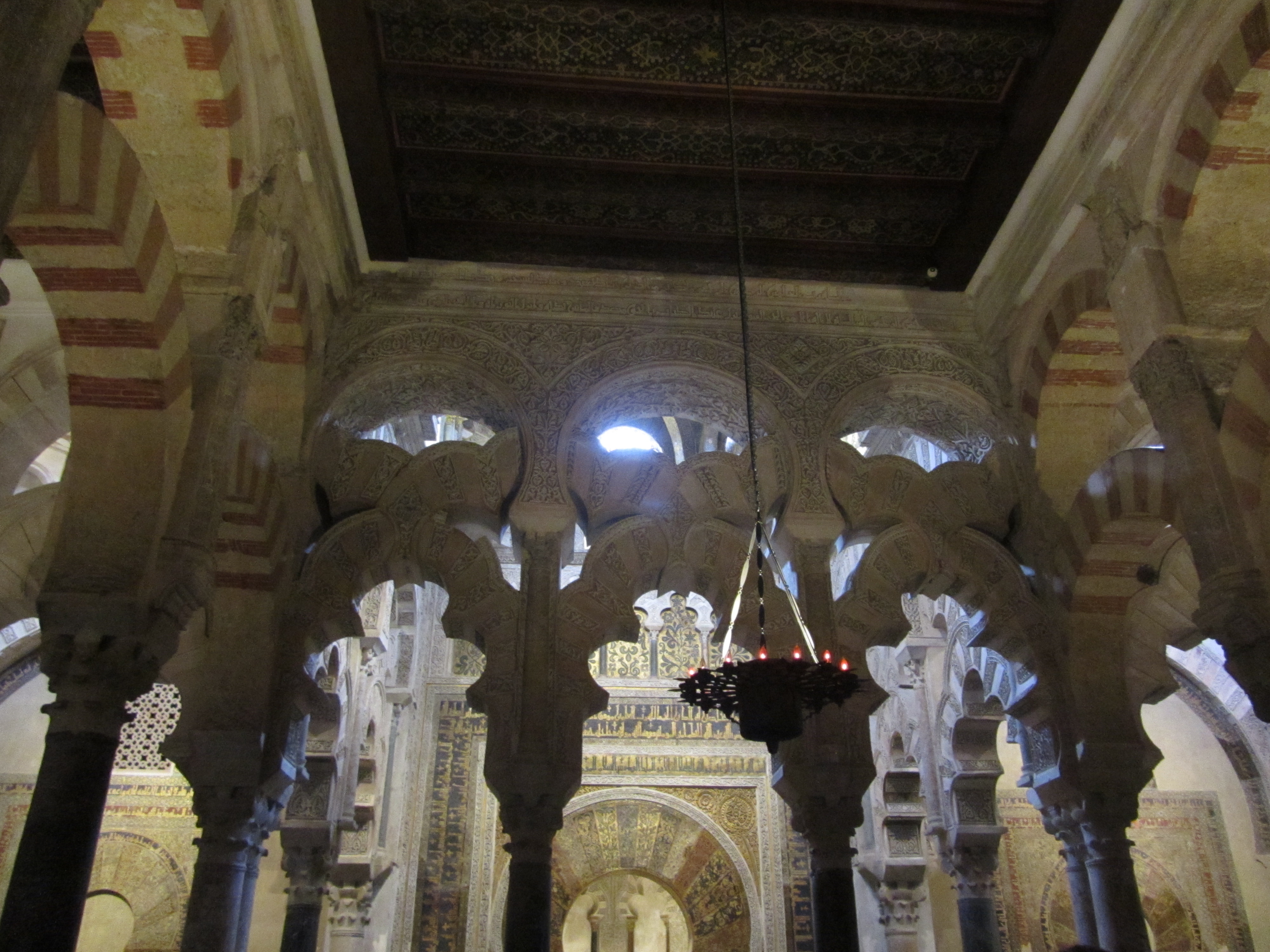
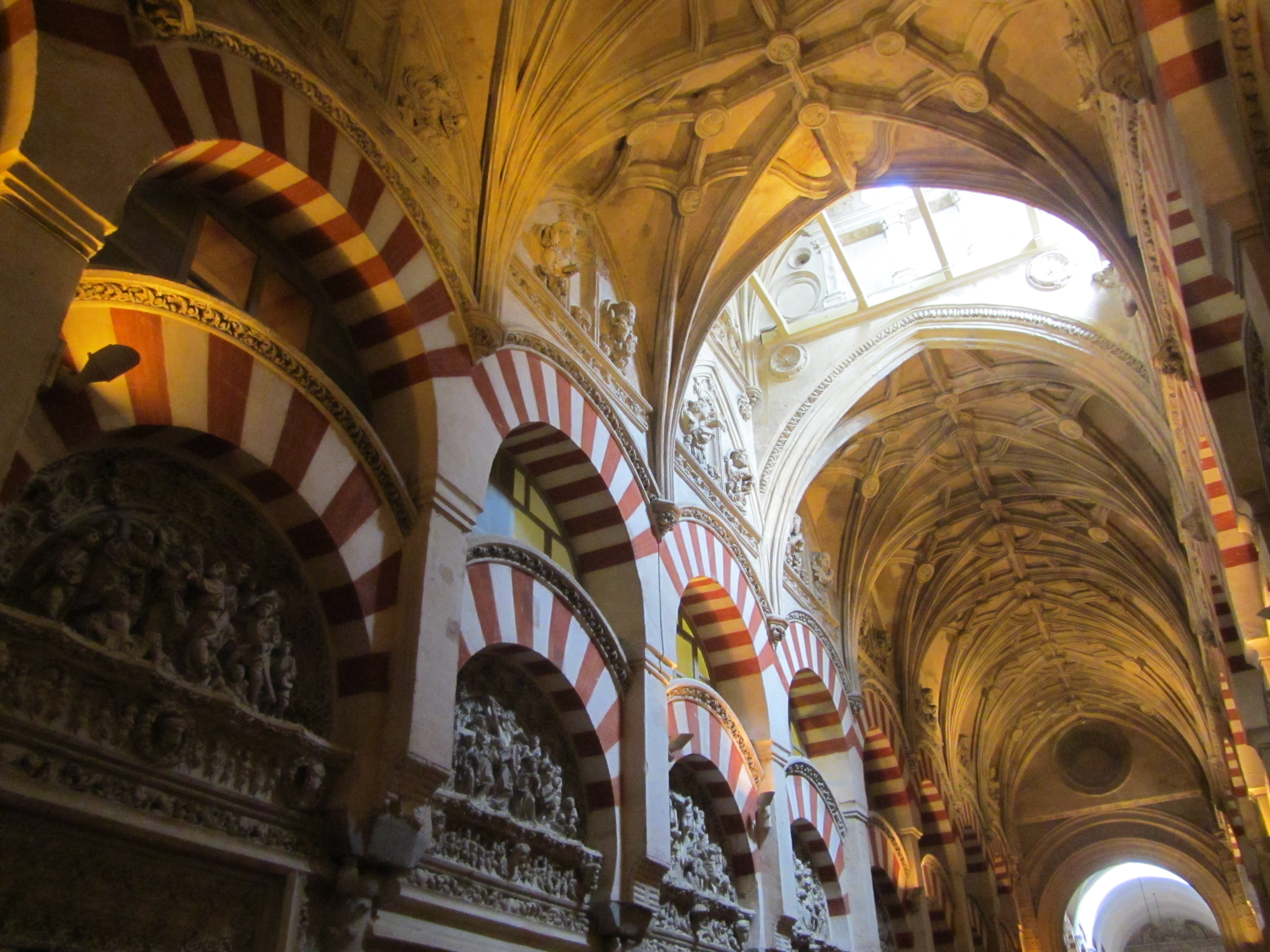
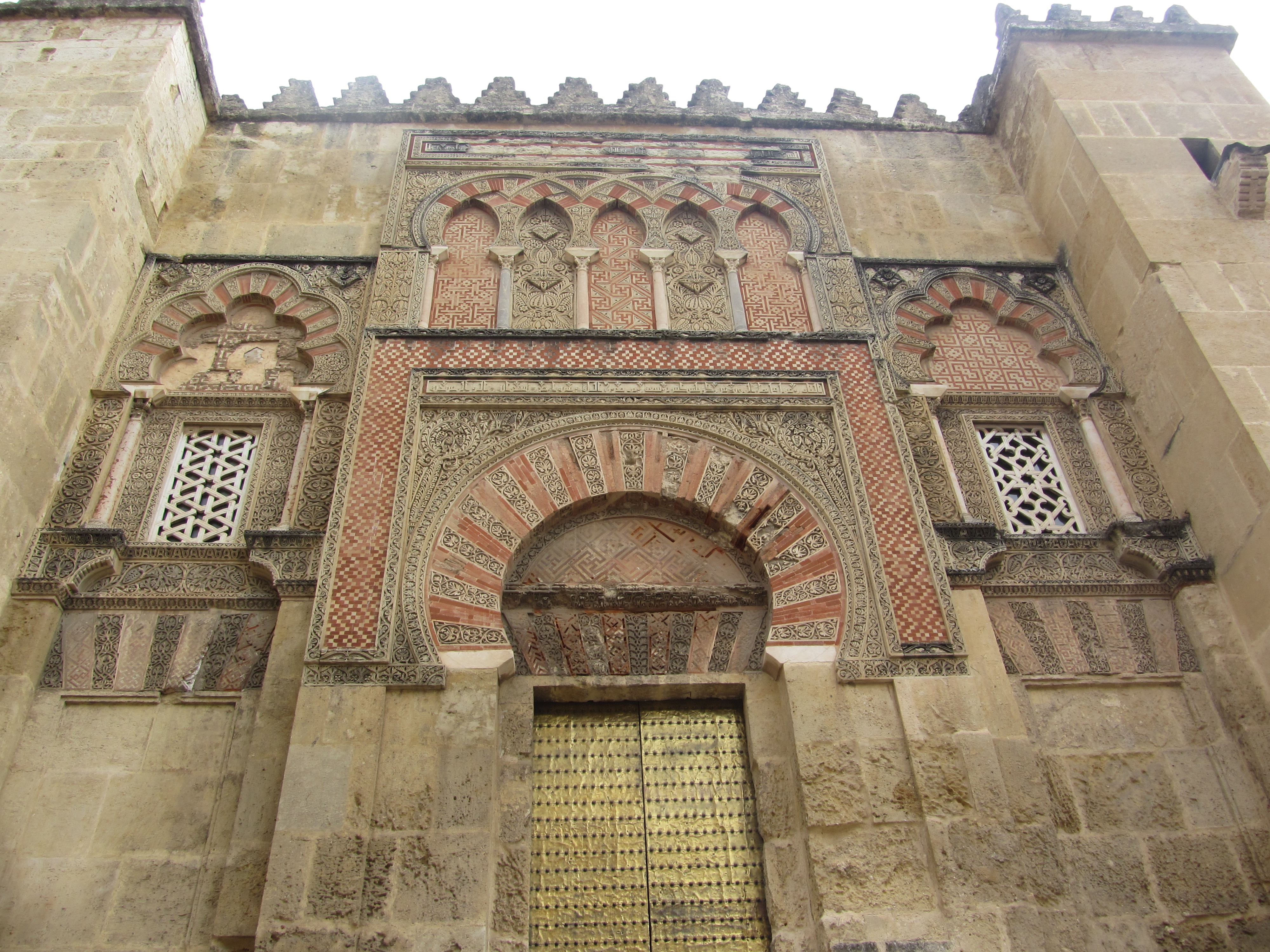
The Mosque surrounds a large courtyard of orange trees and fountains. The interior is like no other mosque I’ve seen before: the “forest of columns” and the arches, of an alternating red and white, stand solemnly and stretch on like an optical illusion in a mirror.
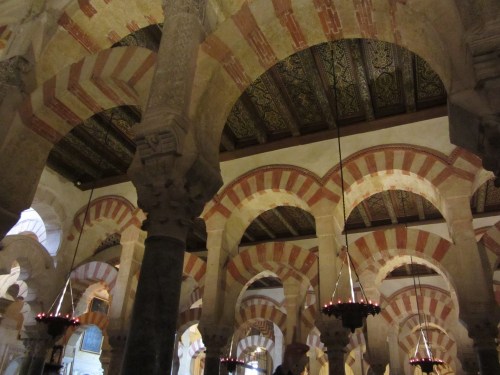
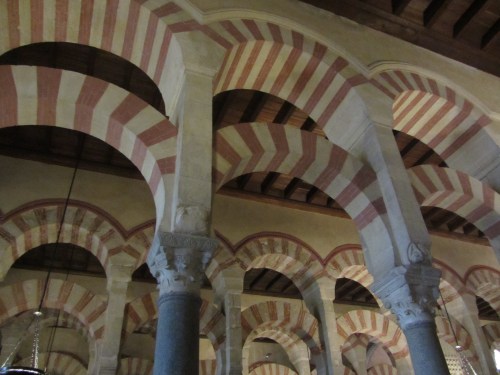
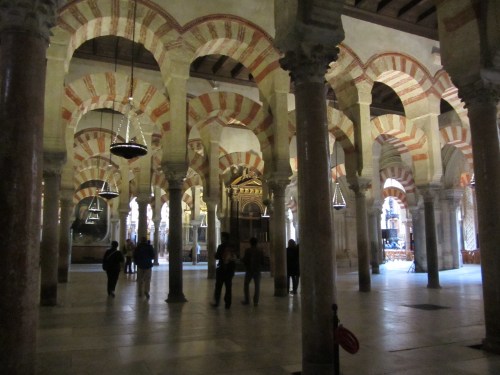
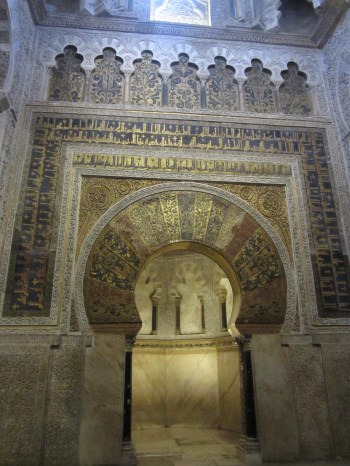
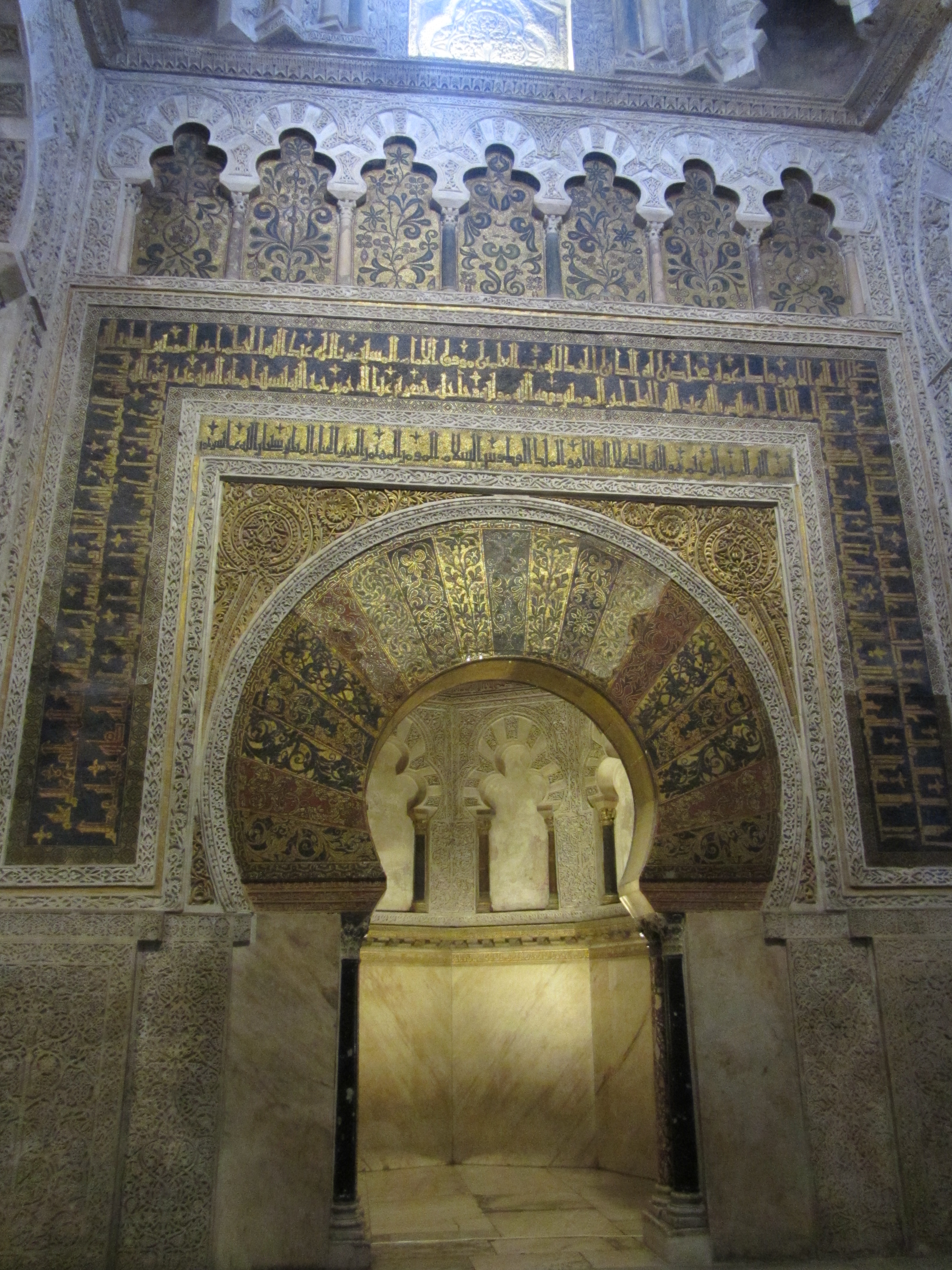
It’s dim and cool inside, unlike the palaces which are flooded by natural light. The mihrab, the wall which usually faces Mecca (but which in this case faces south), is a masterpiece of minute decoration — marble, stucco, and byzantine mosaics exuberantly colored over a layer of gold and bronze.
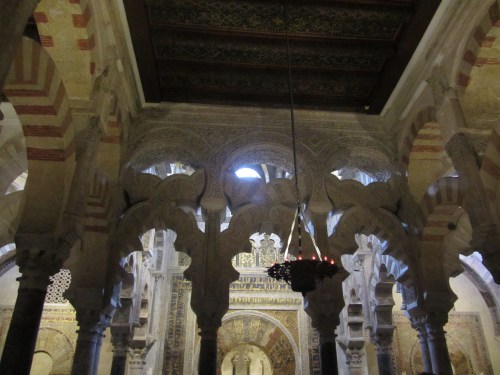
The third largest mosque in the world, after the Mosque of Mecca and the Blue Mosque in Istanbul, this one was converted into a cathedral after the Re-conquest, and in 1523, a renaissance-style basilica was built at the center of the building. The pamphlets insist on calling it the Cathedral of Cordoba, as well as emphasizing the Christian-visigoth foundations which the subsequent Mosque was built upon. As for me, I haven’t come to see any cathedral.

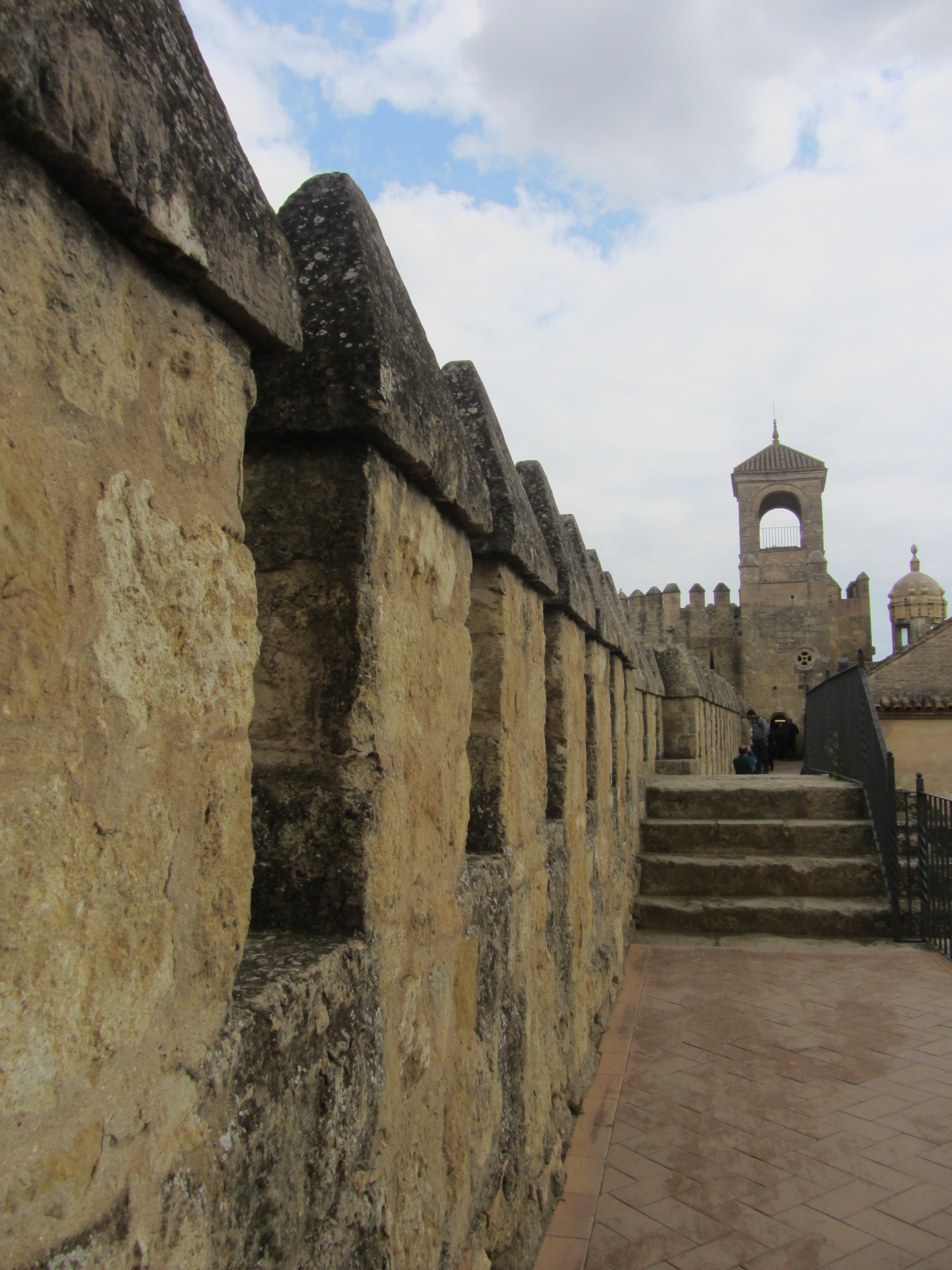
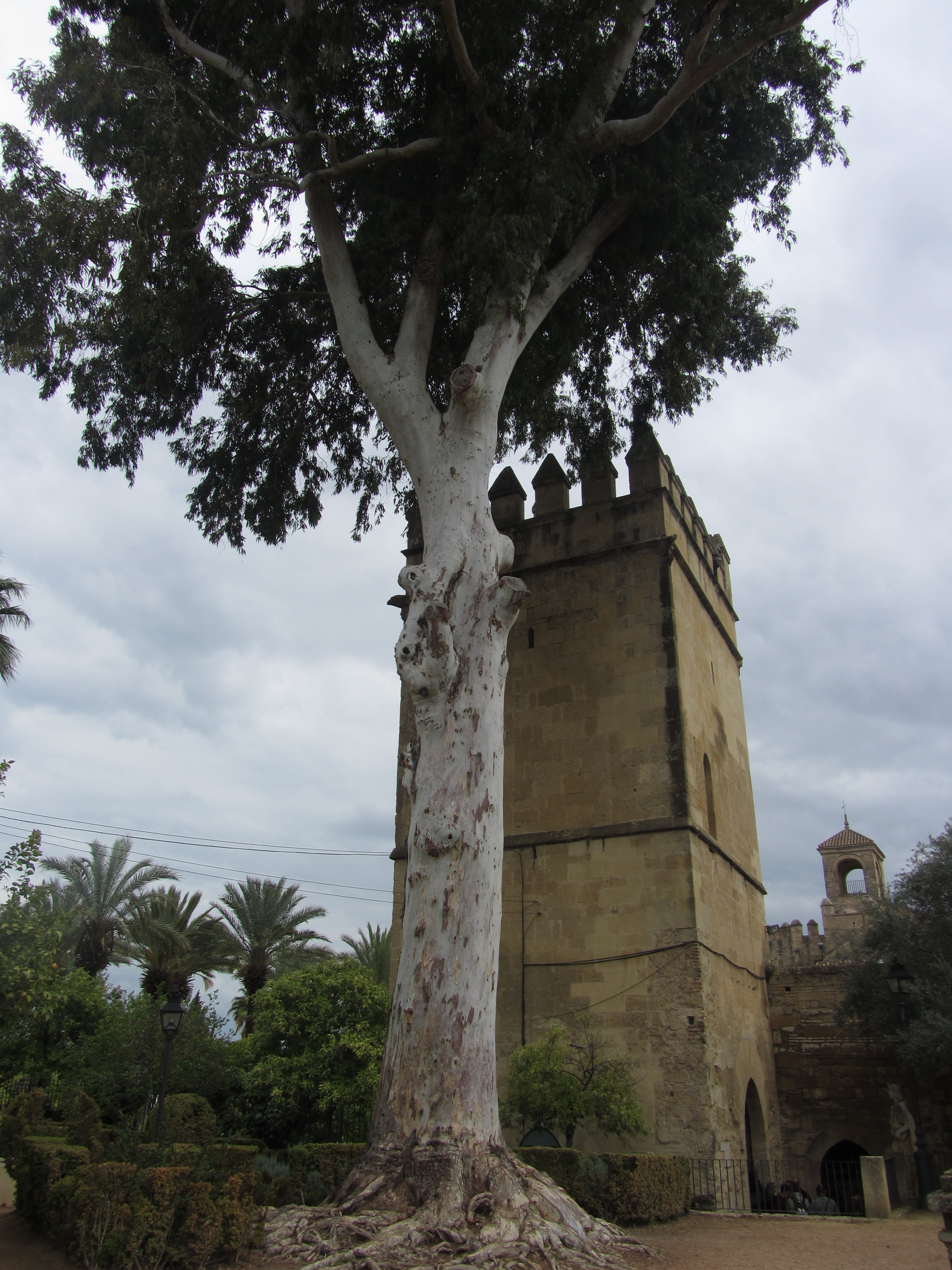
We leave the Mosque and make our way towards the Alcazar of the Christian Kings, which was constructed in 1328 by Alfonso XI on a pre-existing Andalusian castle.


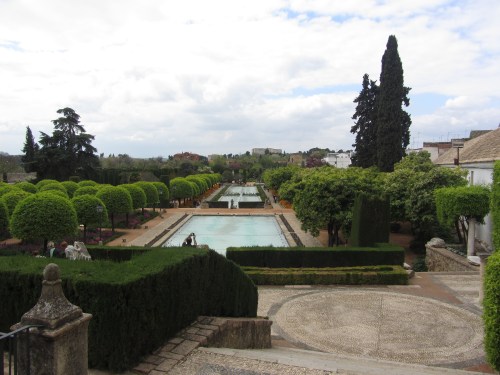
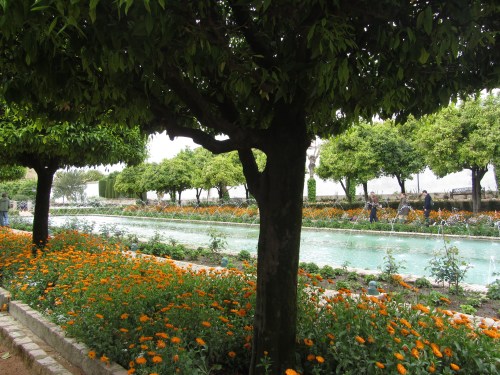
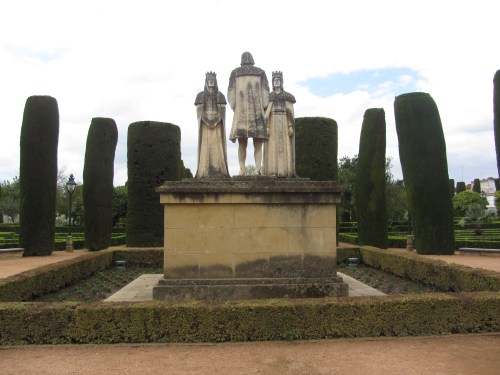
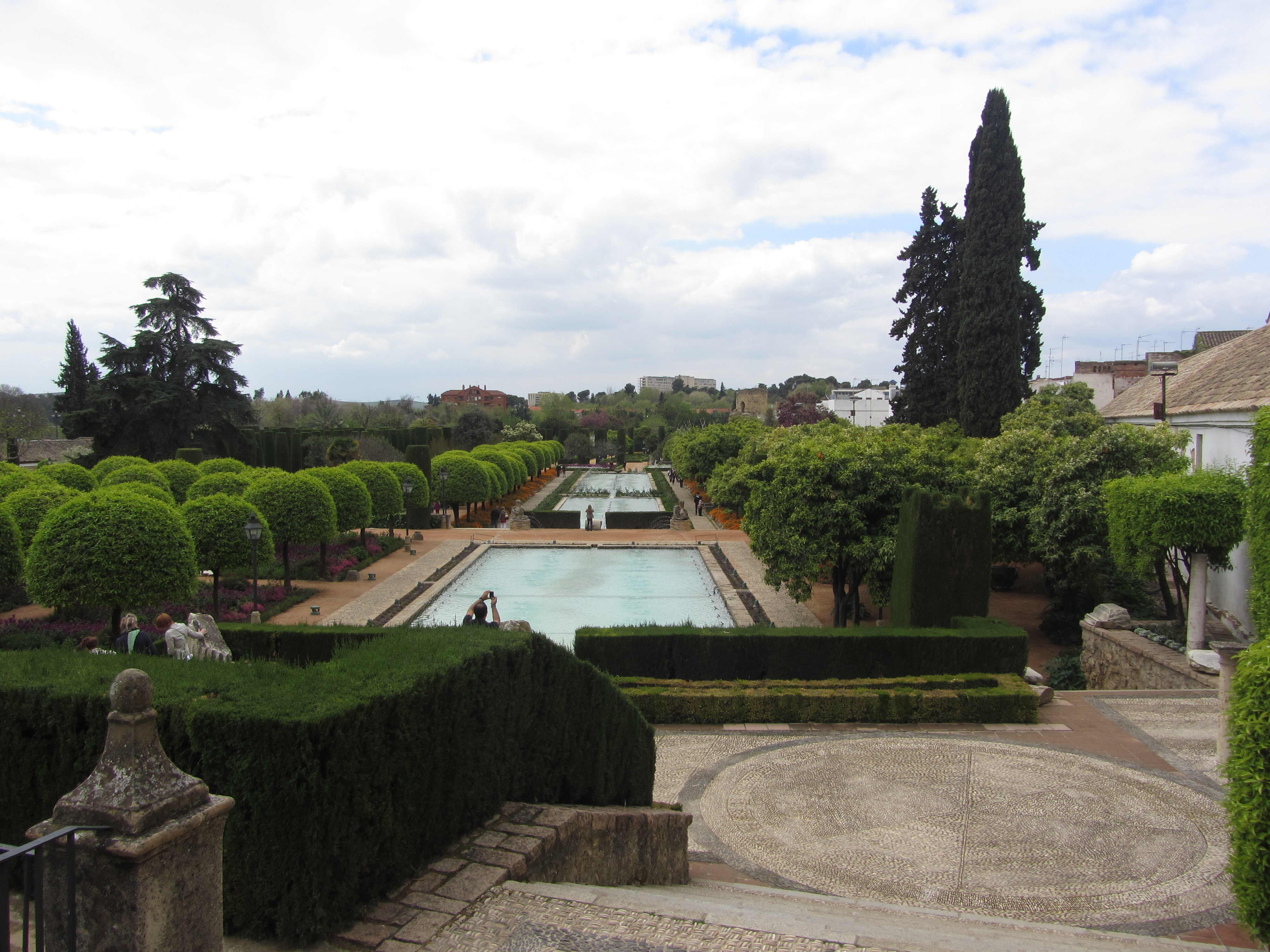
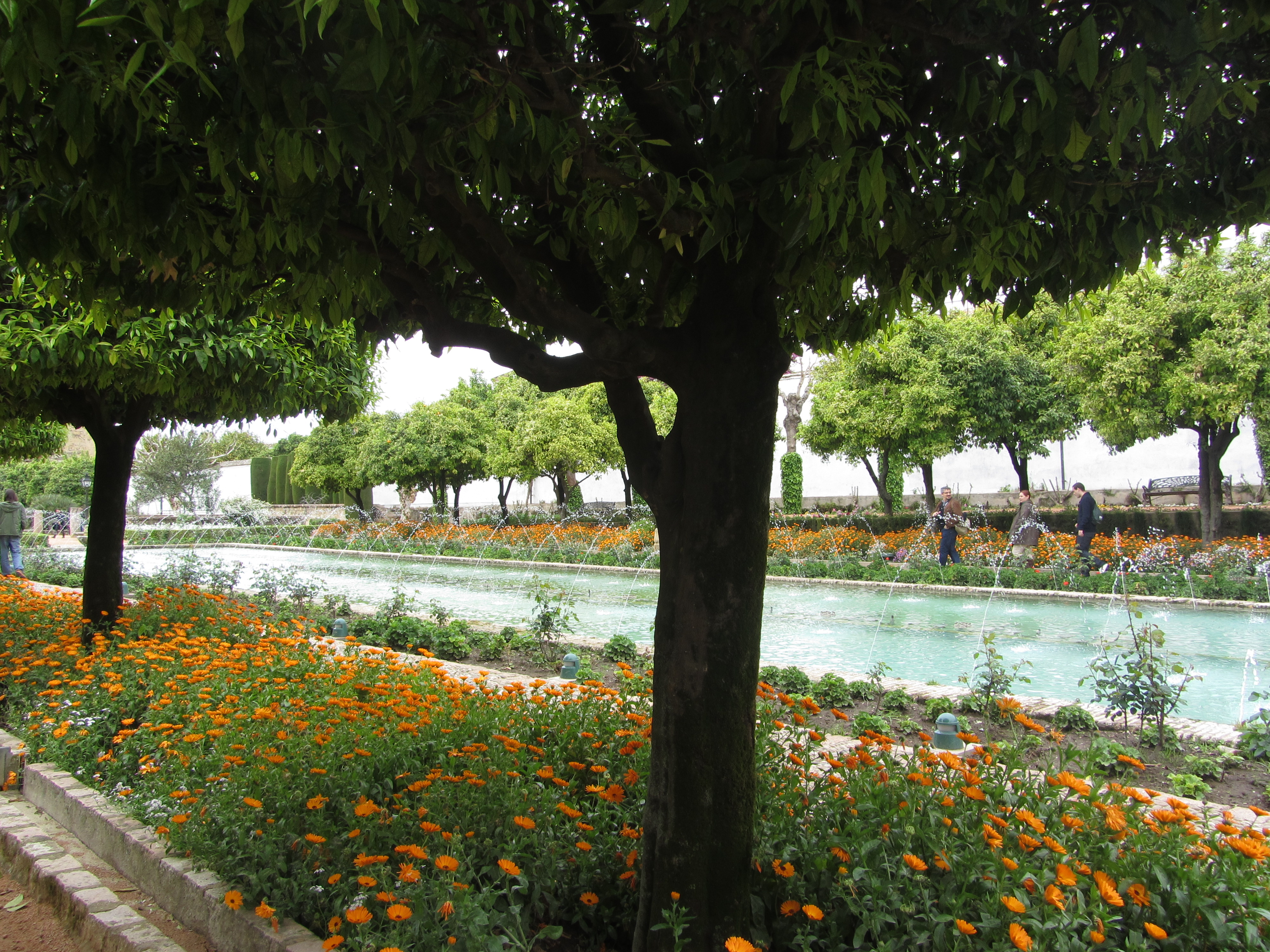
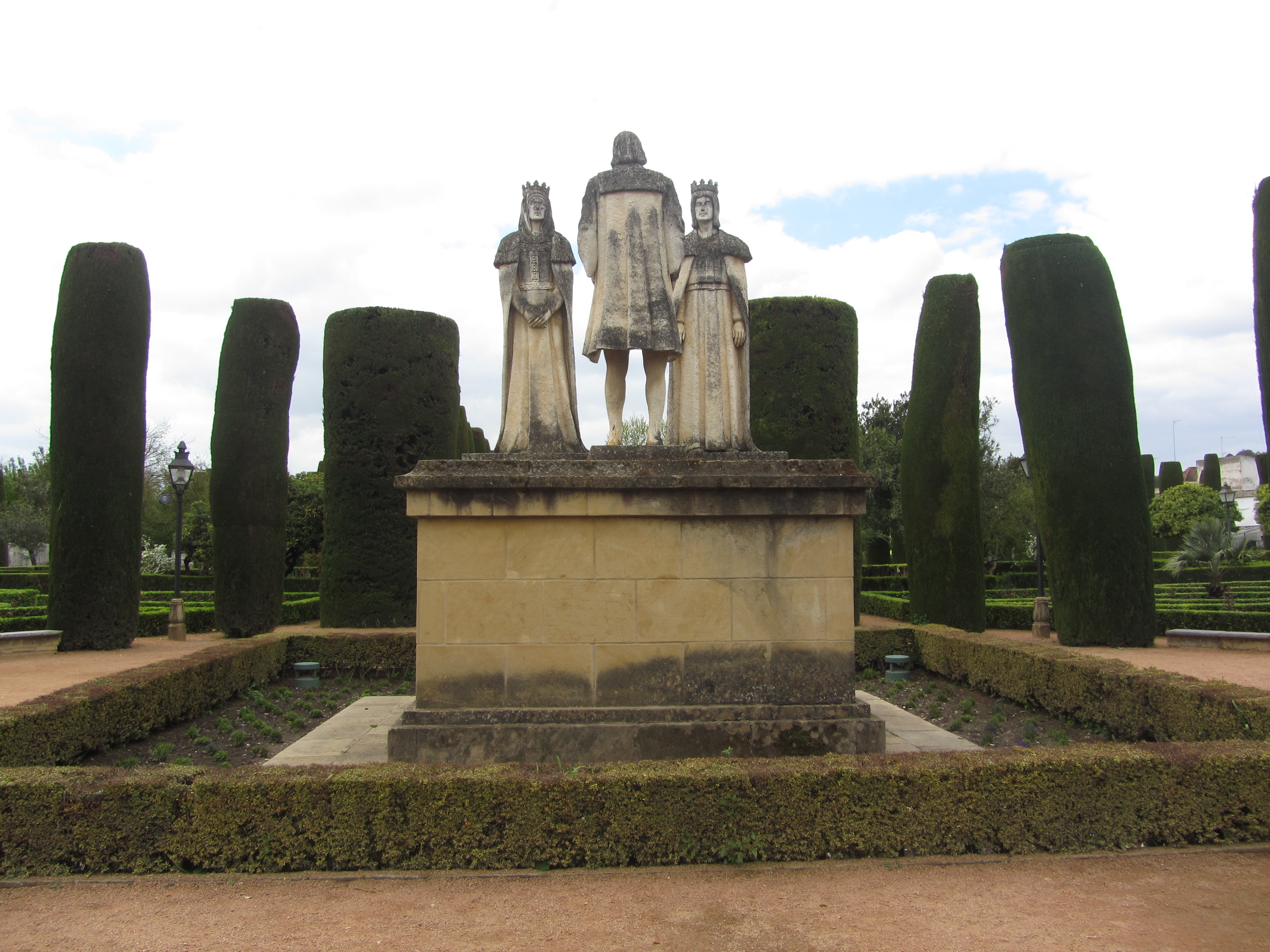
Built as a military fortress, King Fernando and Queen Isabel spent more than 8 years allocated here during their campaign against the Kingdom of Granada. The castle itself is much more spare than the one in Seville, much more military-looking. However, the gardens are quite impressive, showing off many types of trees, the typical long fountains, and statues of the King and Queen with Christopher Columbus.

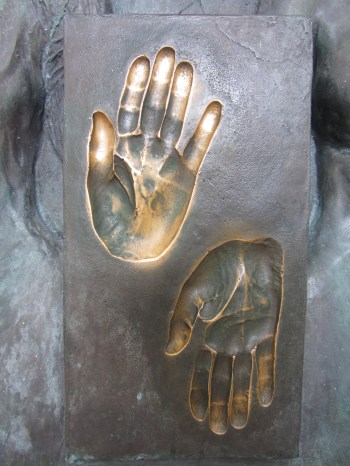
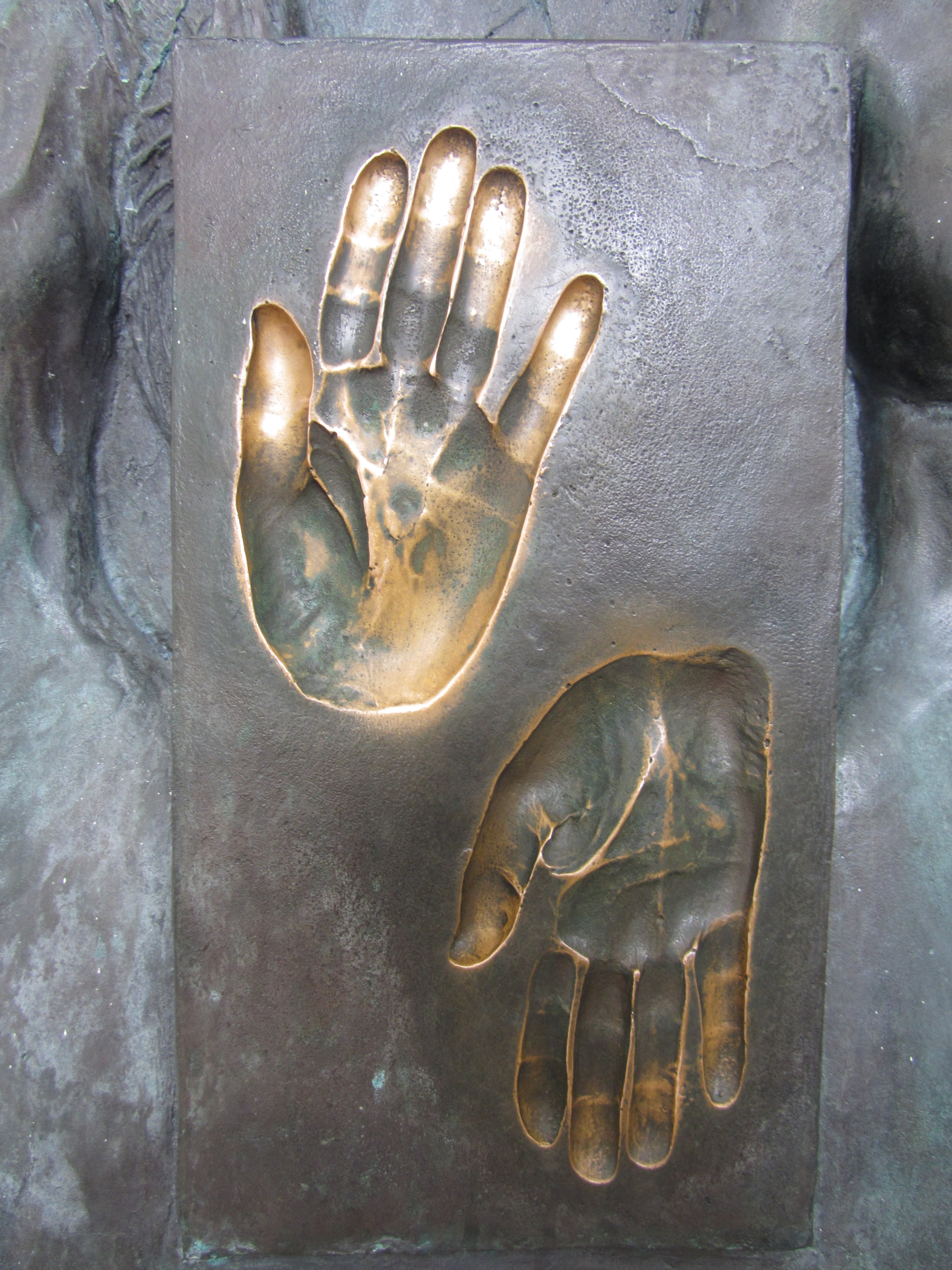
The handprints of Queen Isabel.
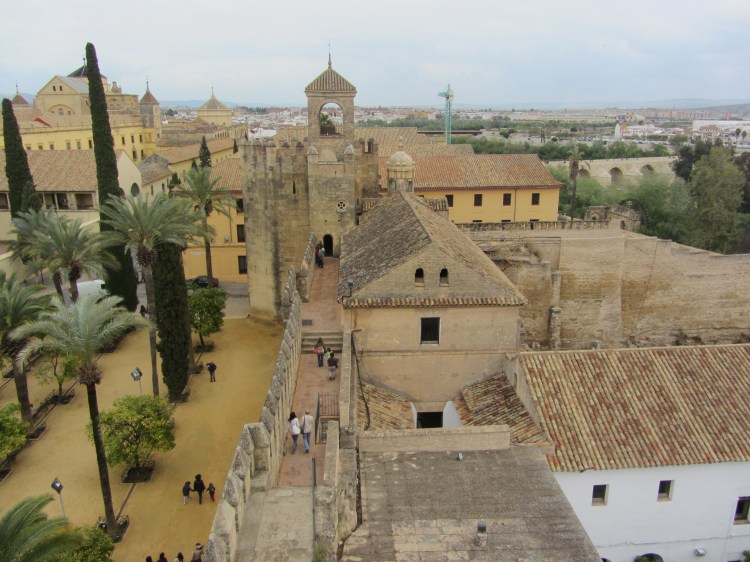
View from the battlements.
Finally, we have a look at the Museum of the Inquisition. Morbid curiosity brings us here, where tools of torture from medieval times up to the time of the Catholic Inquisition are on display. There’s something about that era that stirs the imagination and induces nausea — a time of dark minds, desensitization to cruelty, an abundance of bloodshed, cold dungeons, disease… Those not privileged or in power were used to suffering; those who were not of the state-sanctified religion, who were accused of witchery, homosexuality, blasphemy, adultery, were tortured in public. Women, above all, were found guilty of such treachery. To see such horrifying tools and machinery which men spent time imagining and crafting, the same ones upon which many died, makes us gag a bit. What atrocious times, we think. But perhaps the tools of such atrocities are the only things that have changed since then.

We get a last glimpse of Cordoba before hopping on the train back to Seville.
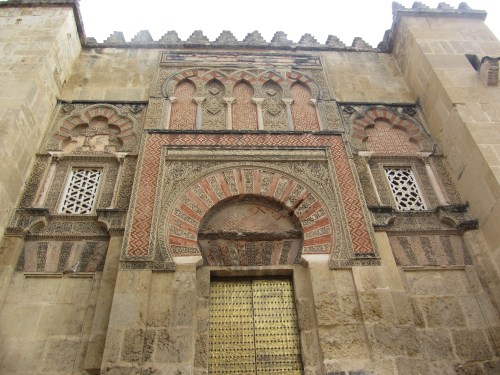


At last I’ve found you.
III. Great food, & the Cathedral of Seville
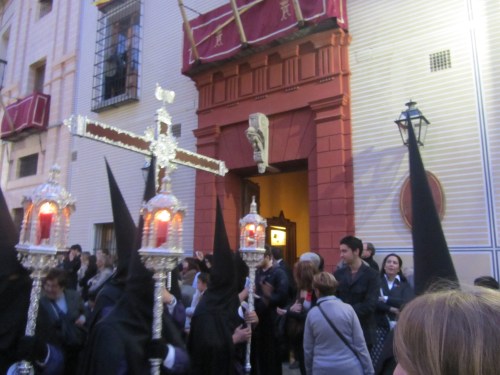
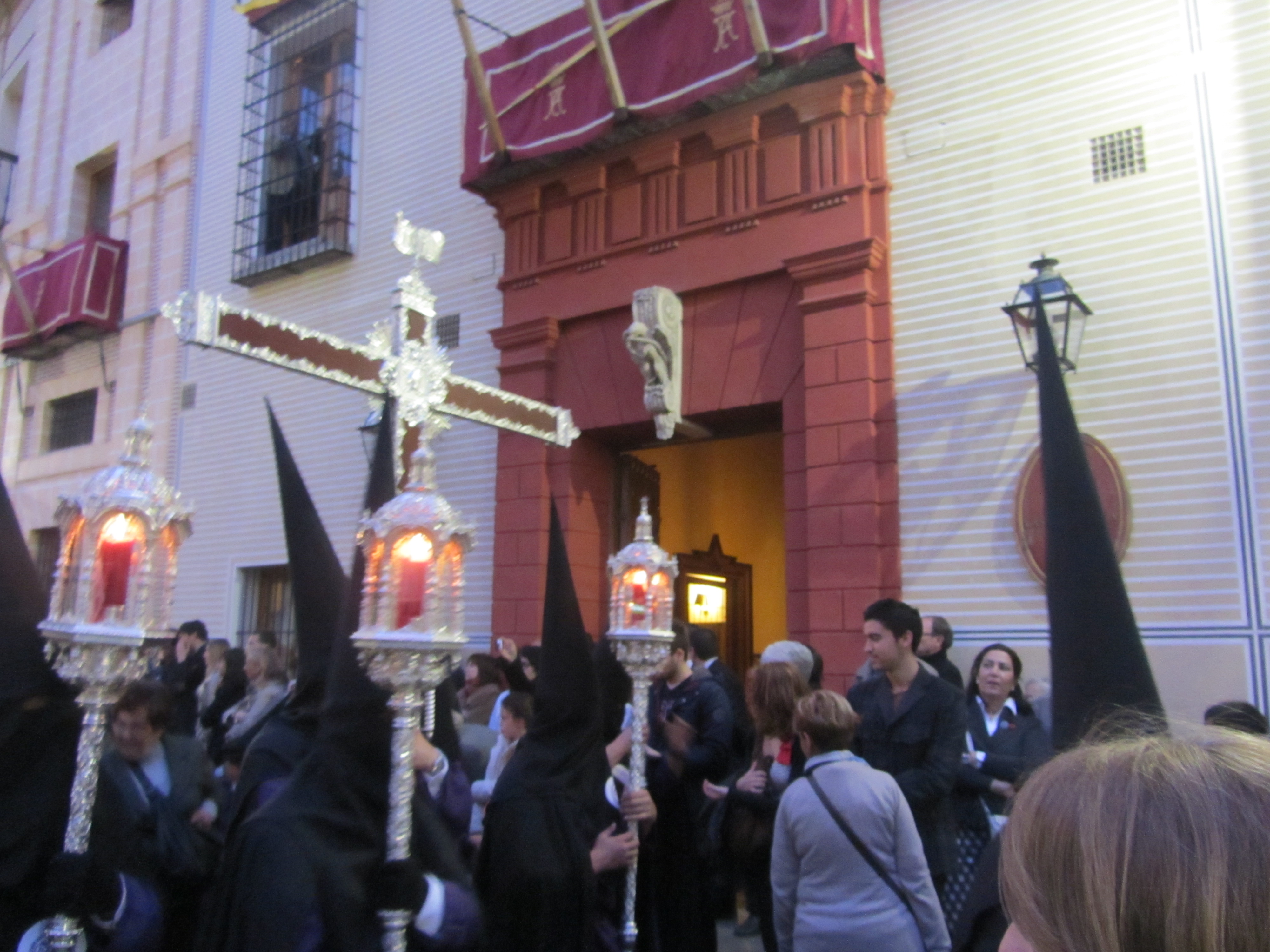
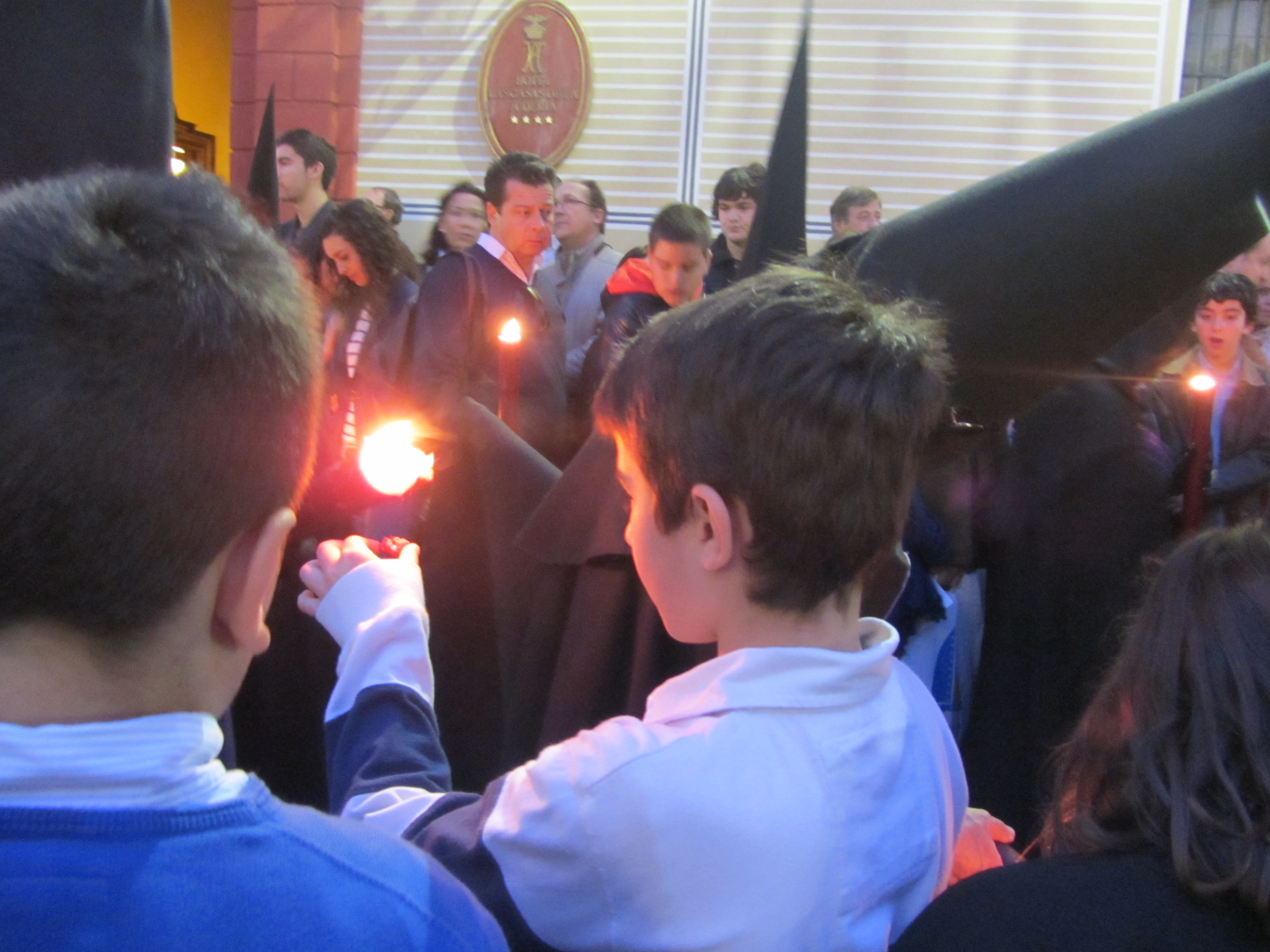
Back at Seville, we manage to catch an Easter procession at dusk, on a small street beside a church. Children stand on the side of the street, holding out balls of wax onto which processioners pour droplets of more wax from their long candles. The parade is anything but joyous; a solemn and heavy atmosphere perpetuates as dusk turns into night, as the trumpeters and drummers play. But only momentarily; soon everyone hits the bars.

 \
\
The crowds press in and there is no place to have dinner in any restaurant remotely central. We grab seats at a restaurant tucked in a small alleyway, called Taberna La Sal, which has an atypical and exquisite menu of Mediterranean food, with some Asian touches and tuna as their specialty.

What went into our bellies:
Wanton lasagna with spider-crab and asparagus
Cured cheeses
Wakame omelette with camarons
Tuna steak tartar with mango and sweet soy sauce
Tomato salad, mozzarella, strawberries, and pesto
Pistacchio biscocho and mandarin sorbet
Such a satisfying and lovely dinner after the cold tortilla of the previous night! Not to mention the best lasagna in the whole wide world. Unfortunately, we gobbled up everything before we managed to take any pictures.
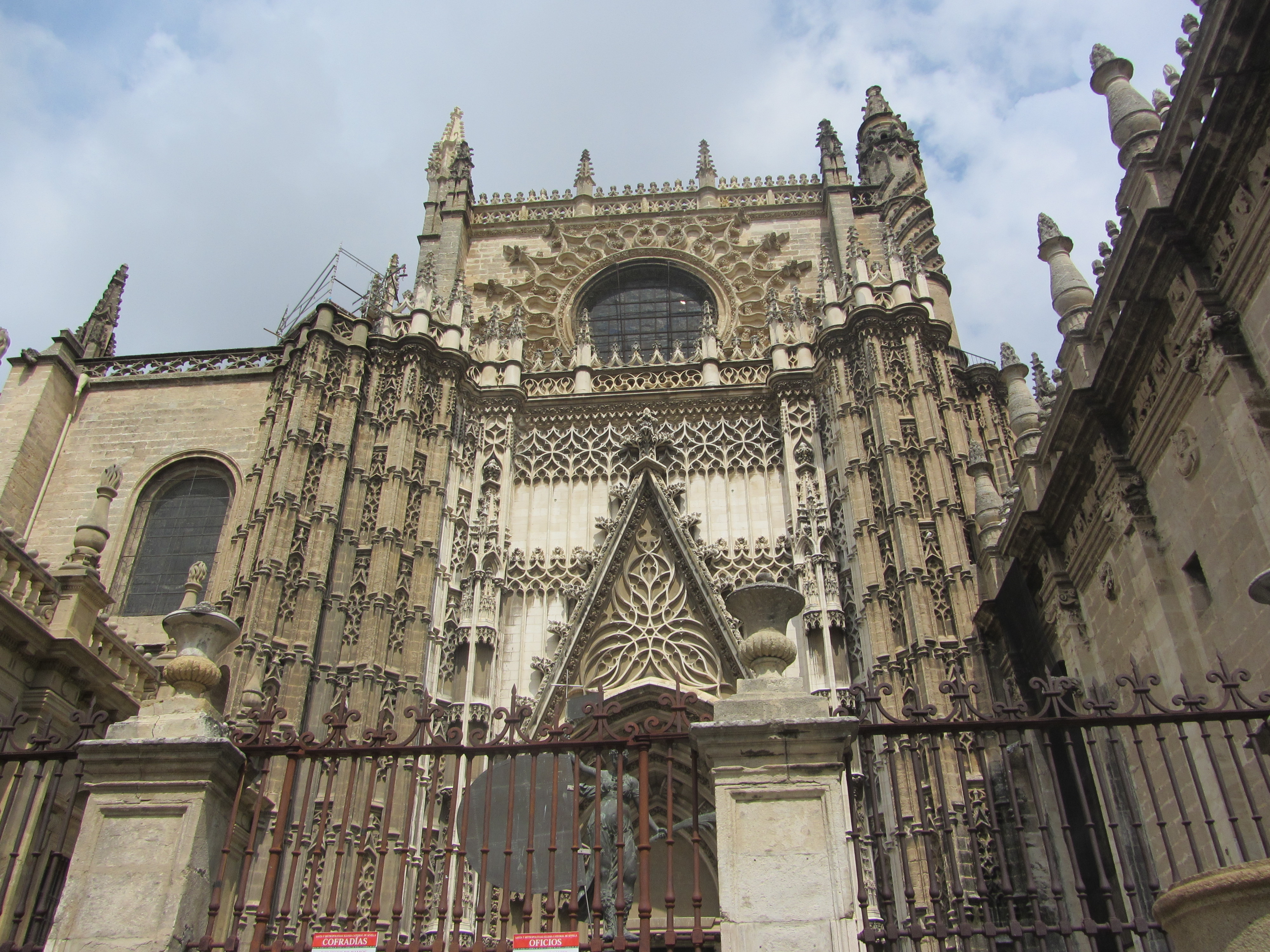
The next day we are intent on entering the Cathedral of Seville, a gothic building constructed over, yep, a pre-existing mosque. By now you know the architectural drill.
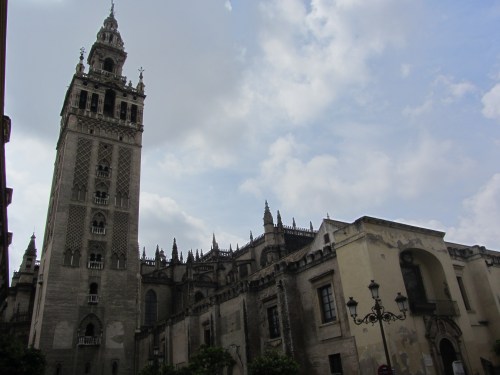
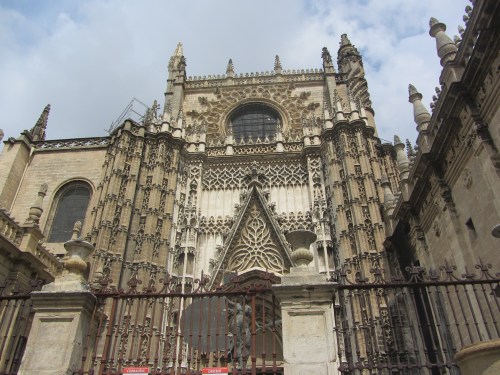


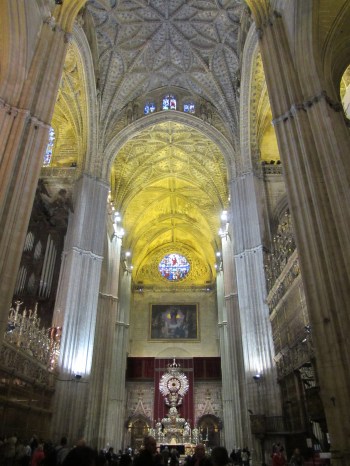
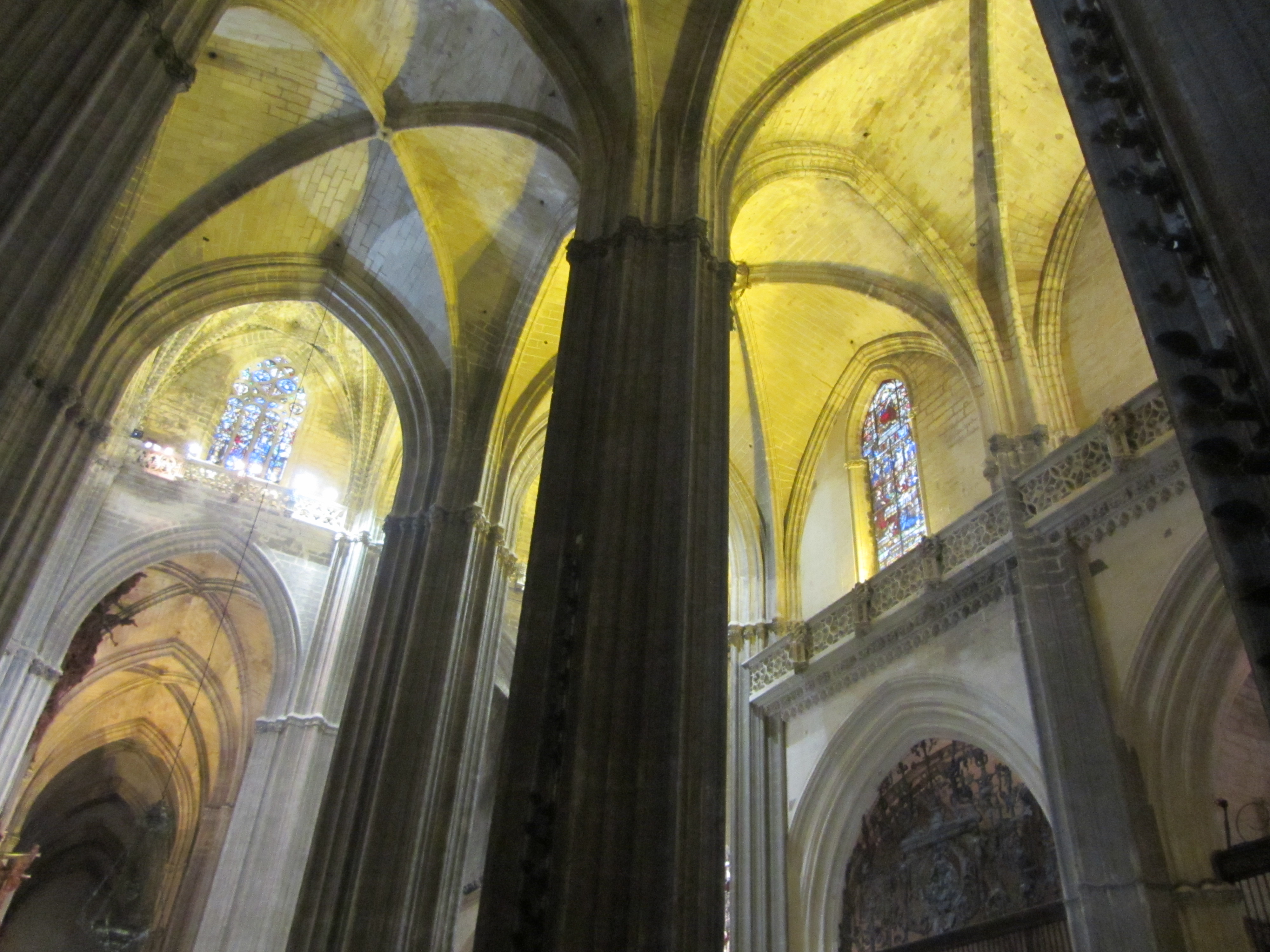
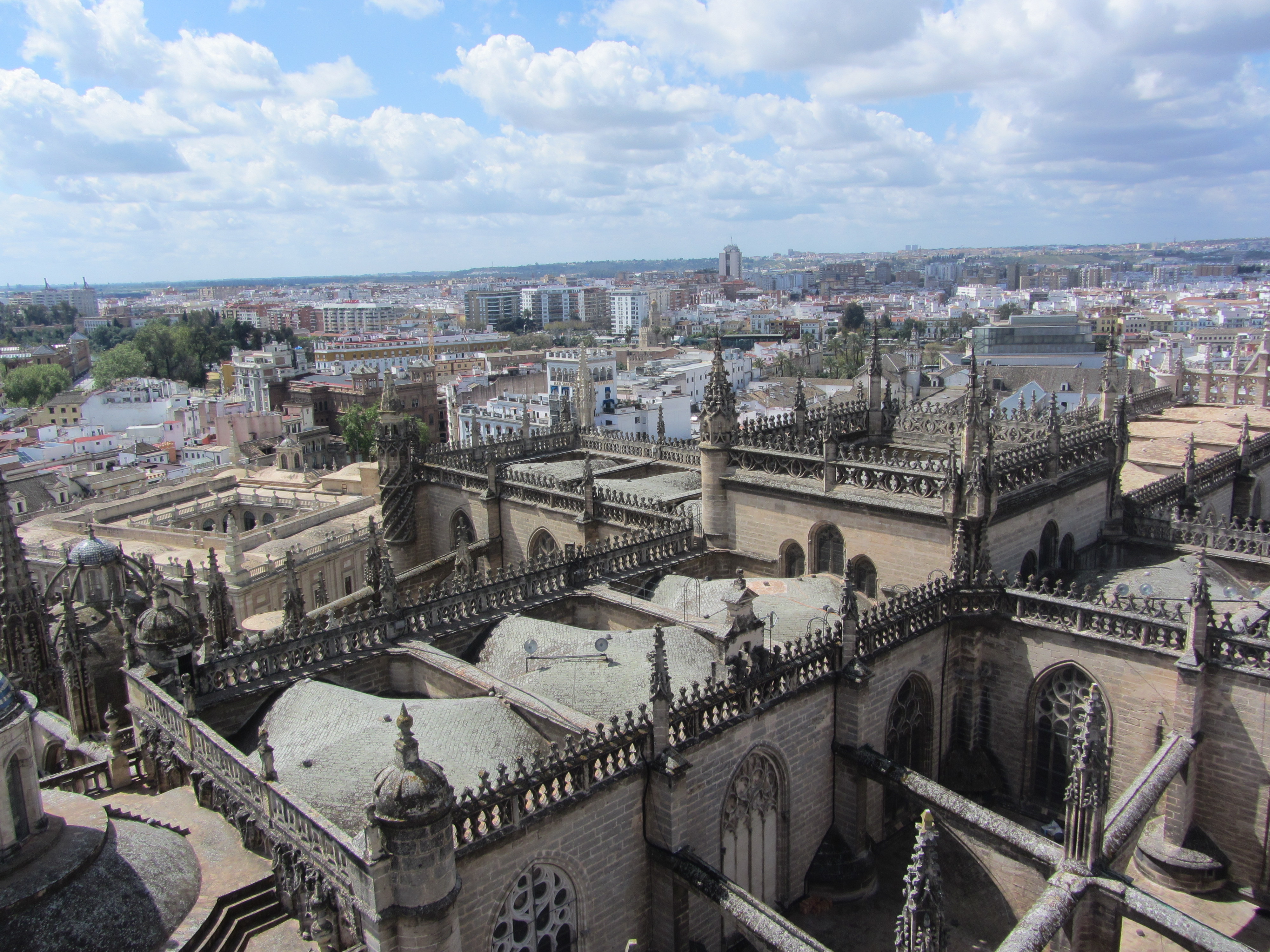
The inside is like any large cathedral with its naves, saints, and giant organ, but the exterior of the cathedral is amazing: a soaring bell tower, the Giralda, which announced the Islamic call to prayer in its time as a mosque, is the main centerpiece.

We patiently climb the 104 meters up and are rewarded with a spectacular view of Seville.
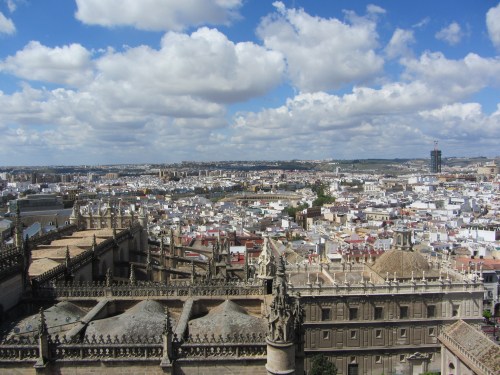

It’s incredible the amount of stylistic reforms that the cathedral has gone through since its construction in the 12th century: almohade, mudejar, gothic, renaissance, barroque, neoclassic, and finally neogothic. And eight centuries later it’s still standing as a testament to all of the different architectural epoques it has outlived, and to Spain’s continually fierce spirit of Catholicism.
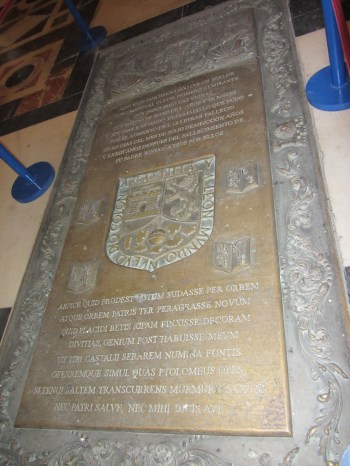
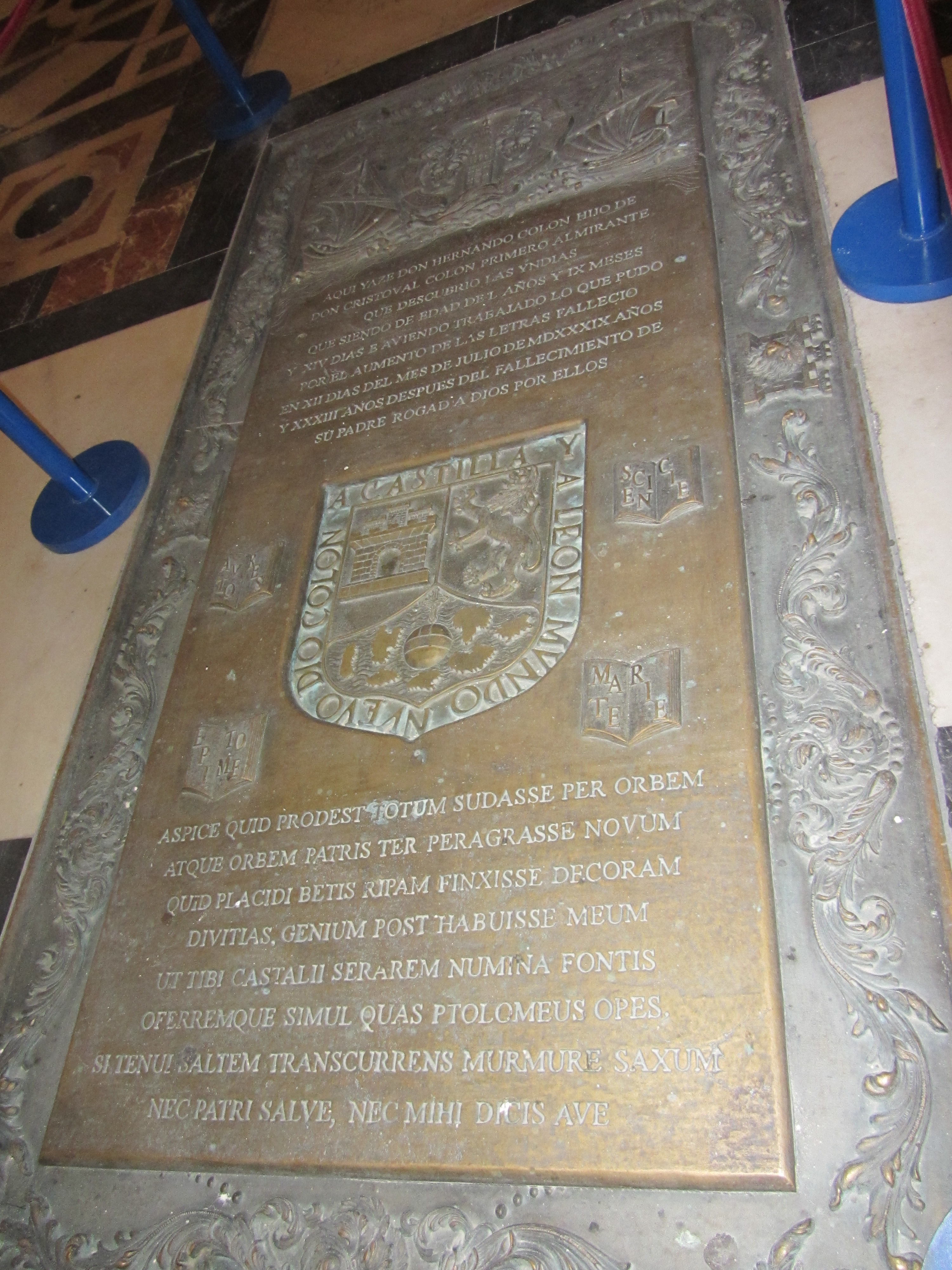
The tomb of Christopher Columbus.
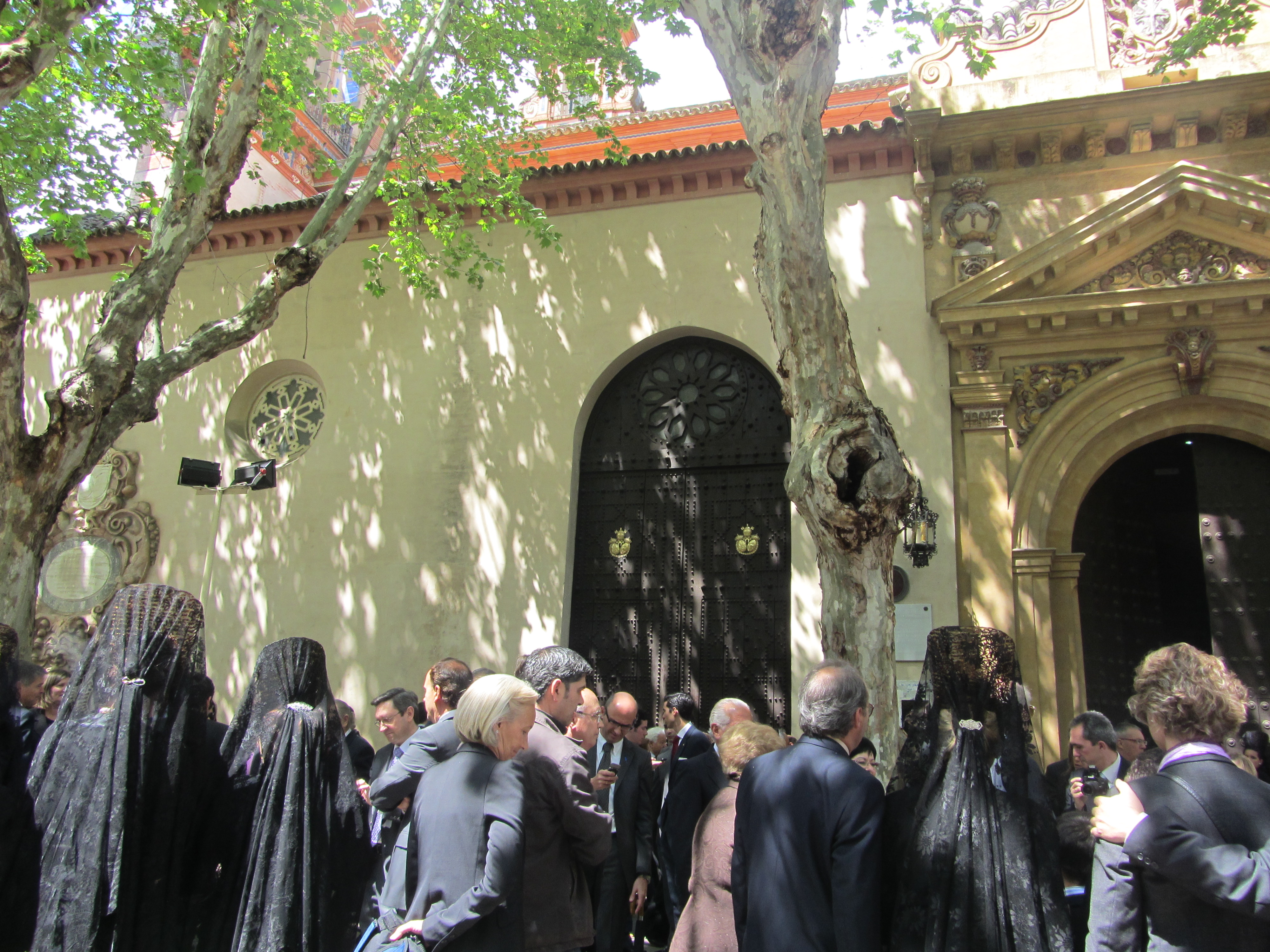
After leaving the cathedral we roam the streets this time without looking at our map, which is quite worse for wear. Everyone is dressed up to the nines for church, women in elegant black dresses and long black veils, and men in impeccable suits, strolling arm in arm or standing in plazas for an afternoon drink. Every bar is full; the crowds pour into the street where they chat over beers and tapas. We have the same problem: finding a decent place to eat that isn’t mobbed.
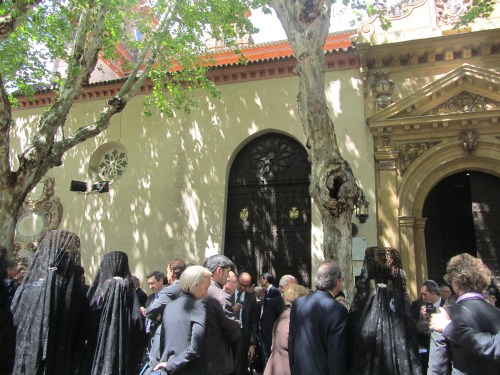
After a tiring search we finally luck out — the only table for two at a seafood restaurant called Casa Antonio.

This is where we had the best calamari of our lives. The seafood rice dish and the grilled codfish were also excellent. Seville doesn’t disappoint with its food.
The rest of the afternoon is spent wending our way back to the train station under the cover of an umbrella, pausing to enter small shops or to snap photos of churches and plazas, grabbing coffee and relishing the rainy streets of Seville before returning to Madrid.























 mabel lee